



If you want to age well, there’s abundant advice out there:
Exercise regularly. Eat well. Get enough sleep. Mitigate stress. Maintain your strength. Control blood pressure, blood sugar, and cholesterol.
The harder question is: What should you work on first?
As a physician who has been practicing for 2 decades, I see a lot of people doing all of the right things. But they still struggle with fatigue, waking up exhausted, poor recovery after exercise, creeping weight, and stubborn belly fat.
It’s almost always that one thing that unravels the whole thing. If you know what action to prioritize everything else becomes much easier.
I think of that as a bottleneck. And identifying it is necessary or else you’ll add more more things to your health list.
Welcome to the Physician-Led Health Coaching weekly newsletter. I’m Dr. Ashori, a board-certified physician & health coach. I help people fix brain fog, fatigue, and stubborn weight before they turn into real disease.
My Personal Health Struggles
When I first graduated from my medical training at UCLA I struggled with back pain, skin issues, and major digestive problems. I assumed it was stress or some supplement I needed, but I was chasing the wrong things. It was purely my diet. Food habits I had learned after a decade in training and eating on the run, eating stressed.
As soon as I began an elimination diet everything changed.
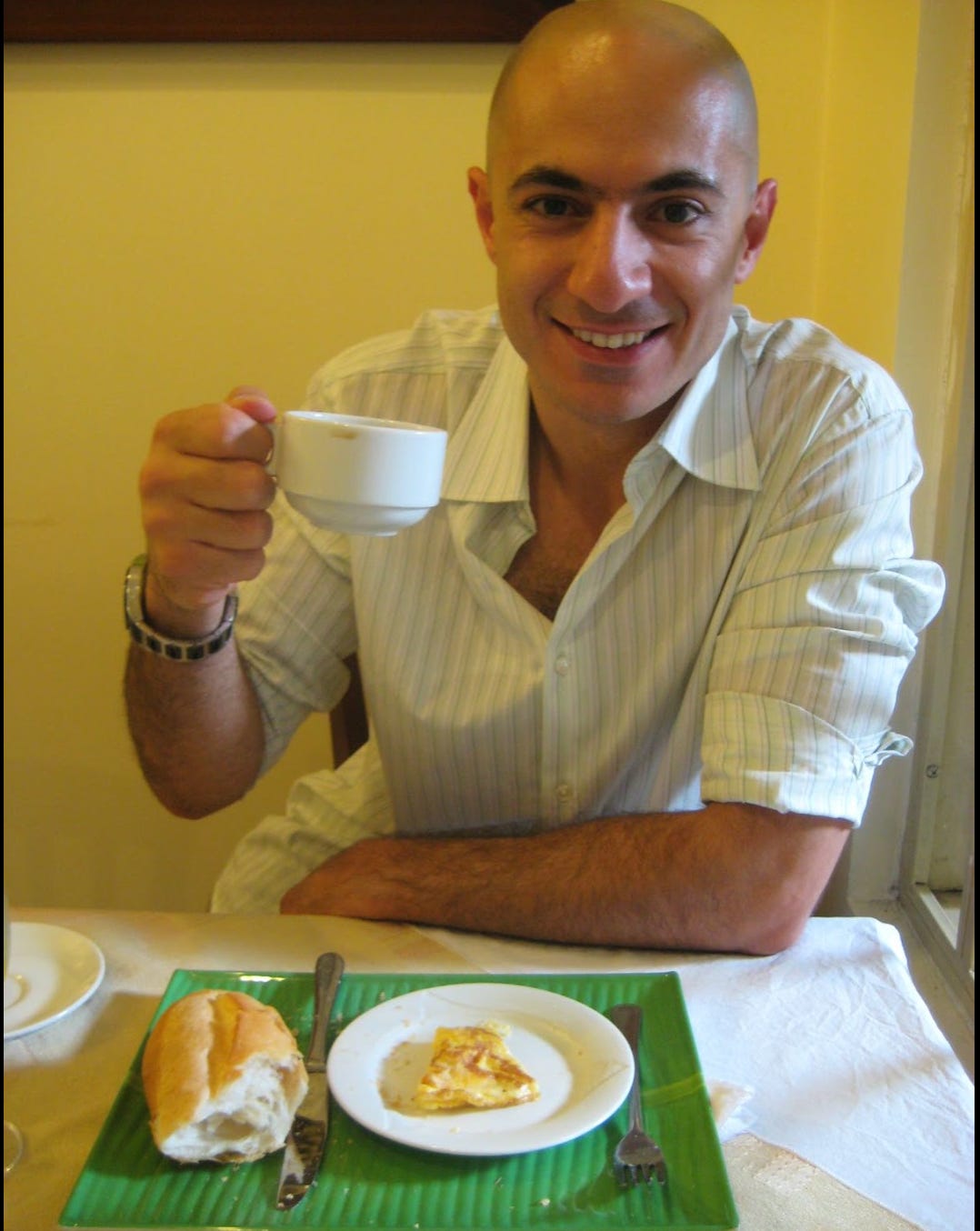
Instead of immediately asking, “What else should I focus on?” Sometimes it’s more useful to ask, “What is making everything else harder right now?”
Instead of working harder at feeling better, I just had to double down on my diet. Simple.
The 4 Health Types I See in My Practice
These are 4 types of “health approaches” I see repeat in so many of my patients. It’s why I created my Healthy Aging-Type Quiz.
The quiz looks at 4 patterns that can make staying healthy more difficult. They overlap and aren’t actual diagnoses.
Just because you fall into one category it doesn’t mean you’re doomed to stay there. Think of it as a way to start the conversation about what to focus on next.
Type 1: The Burned Out Body
You keep pushing hard, but you’re having trouble recovering. Stress, inconsistent routines, and inadequate recovery can start affecting your energy, mood, motivation, and ability to stay active.
Pushing harder isn’t the right answer, even if it may have delivered you results in other aspects of your life. Recovery should deserve more attention for this health type.
Type 2: The Nutrition Novice
Knowing what you should eat is very different from actually getting yourself to consistently stick to the right nutrition plan.
Trying to follow the perfect diet or track everything can sometimes make eating well more complicated than it needs to be. What’s needed is a consistent structure or framework. For example, “Add more veggies with every meal.”
Type 3: The Sleep Deprived Warrior
This health type is very common among the high achievers. This person is doing everything well by all standards: exercise, nutrition, and supplements.
The problem for them is sleep. If you don’t spend enough time in bed you can’t get enough sleep. When sleep isn’t going well, exercise, recovery, energy, and consistent habits become harder.
Sometimes improving sleep deserves attention before adding another health goal.
Related: Waking Up at 2 A.M. and How to Fix It →

Type 4:The Overworked Achiever
I didn’t become a health coach to tell people to eat better, exercise more, and get more sleep. Everyone already knows that. For the overworked, stressed out health type they need to know how to actually get it done.
You need to figure out how to make it work around an already full life. Work gets busy. Family needs your attention. You travel. Suddenly, your routine disappears and it will take you 3 more months to get back on the wagon.
The challenge may be building something simple enough to survive the weeks when life doesn’t cooperate.
Not sure which pattern sounds most like you? Take the Healthy Aging-Type Quiz
These Things Don’t Exist in Isolation
You may recognize yourself in more than one of those patterns. But they are all connected for all of us.
Poor sleep makes exercising harder. Stress affects eating. A packed schedule interferes with sleep. And poor nutrition zaps your energy and recovery.
The point of this quiz isn’t to assign you a label but to help you pinpoint where you should start. It really is that easy because we have the data, we know who is at risk for what, and we know what works.
Six months from now, sleep is going well, but your work schedule has changed and it’s harder to remain consistent.
Healthy aging isn’t static and we have to change with our environment.
Healthy Aging Doesn’t Need Perfection
It’s easy to turn healthy aging into another performance goal. It’s exactly what I want to get away from after focusing on health coaching instead of treating diseases.
You don’t need the perfect BMI or blood pressure to feel better or improve your health. That concept has hurt so many people who were already on the right track.
The goal is to stay healthy enough to continue doing the things that matter to you.
For me, that’s rock climbing. I want to stay strong, mobile, and healthy enough to keep climbing for as long as I can.

Your reason may be completely different. Maybe you want enough energy to keep up with your kids. Maybe you want to travel more.
Maybe for you it’s hiking, running, cycling, working, or doing whatever makes your life feel like yours. Your health habits should support that life. Not become your entire life.
So rather than trying to optimize everything, start with the thing that seems to be making everything else harder.
Want a Practical Place to Start?
Knowing what to prioritize is one part of improving your health. Building habits you can actually maintain is another.
I put together a free guide, 6 Healthy-Aging Habits, to help you think through some of the everyday choices that support your long-term health.
It’s not about doing everything perfectly. It’s about finding what works for you and making it part of your life.
Get the FREE Healthy Aging Habits eBook
What’s Your Healthy Aging-Type?
If you’re in your 30s, 40s, or 50s and feel like you’re doing a lot right but something still seems to be getting in the way, I created a short quiz to help you think through where you might start.
Once you see your result, you’ll get:
A starting point for thinking about your health
Habits that may be worth paying attention to
A few practical steps to consider over the next 2–4 weeks
And one question worth keeping in mind regardless of your result:
What do you want to stay healthy enough to keep doing?

Related Reading
Waking Up at 2 A.M. and How to Fix It →
What to consider when waking during the night becomes a pattern.

Spending more time in bed won’t give you more restful sleep.
Disclaimer:
Dr. Mohammad Ashori is a U.S.-trained family medicine physician. The content shared here is for education and general guidance. It is not personal medical advice, diagnosis, or treatment, and it does not create a doctor-patient relationship. Humans are complicated and your personal details matter. Your healthcare team is your best resource before making medical decisions, changing medications, or managing symptoms. This information is to help you add more depth to those conversations.
Follow me on:
📸 Instagram
▶️ YouTube
📘 Facebook
👽Reddit