



Most people think feeling tired means they didn’t get enough sleep.
But that’s not what’s actually happening.
You can sleep 7 to 8 hours, hit all the “right” habits, and still wake up feeling drained.
Millions of people in their 30s and 40s wake up exhausted, even after a full night’s sleep. As a doctor turned health coach, I’ve seen how fatigue has less to do with the numbers of hours you spend in bed but has more to do with the hidden factors that drain your body and mind.
Welcome to the Physician-Led Health Coaching weekly newsletter. I’m Dr. Ashori, a board-certified physician turned health coach. I help people fix brain fog, fatigue, and stubborn weight before they turn into real disease.
1. Poor Sleep Quality (Not Just Hours)
You can sleep for 8 hours and still feel drained. That’s because sleep quality matters more than sleep quantity. A few wake-ups at night are normal, but constant restlessness is not.
Grinding your teeth, vivid dreams, multiple bathroom trips, or tossing and turning are all signs that your nervous system stayed active instead of fully shutting down.
A good test: within 30 minutes of waking, do you feel alert and refreshed? If not, your body likely had a restless night.
2. Digital Fatigue and Hormone Spikes
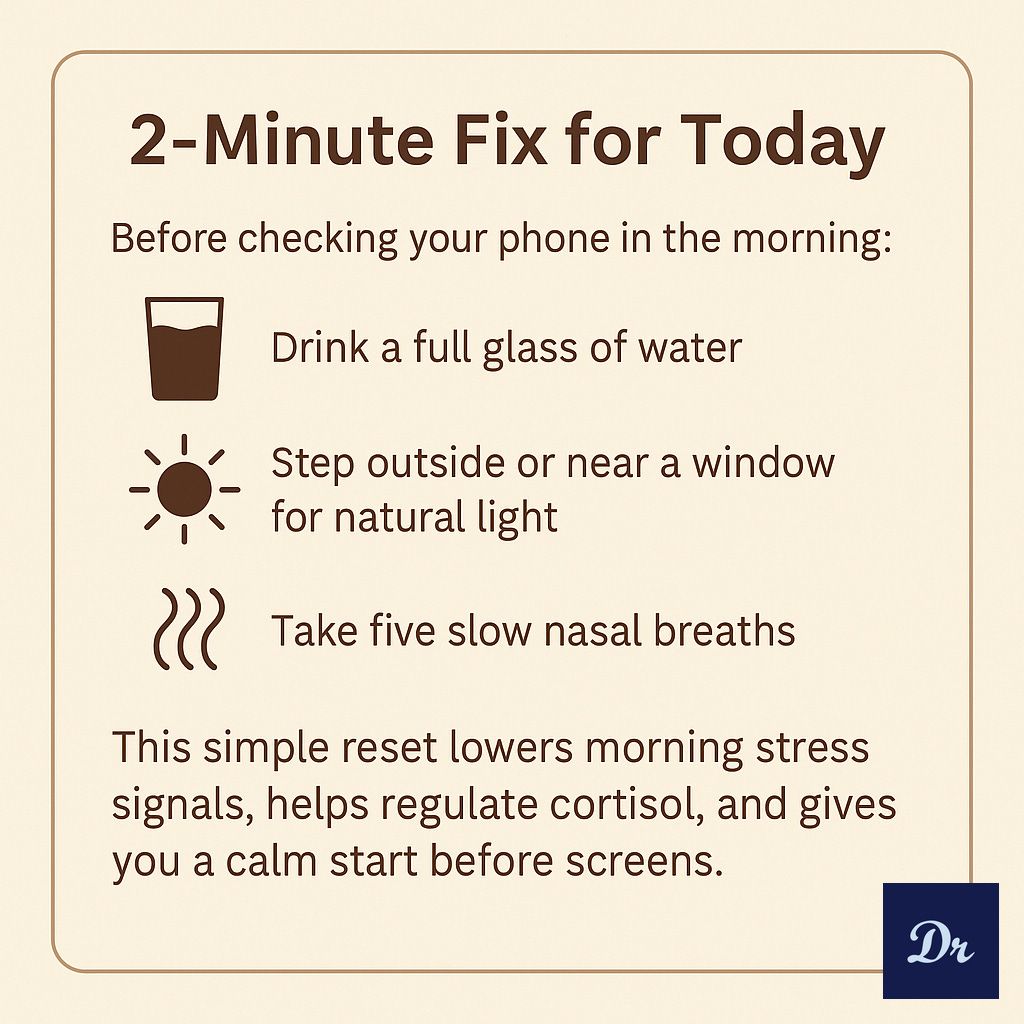
The way you start your morning matters. Checking news, emails, or messages right away spikes stress hormones and sets the tone for a wired, restless day.
Constant notifications and screen time keep your brain in a low-grade stress state. That “wired-but-tired” feeling often ties back to cortisol and adrenaline.
Simple fix: Create screen-free windows in your day. Start with the first 30 minutes after waking, and set 2–3 times to check messages instead of being on-call all day.
3. Emotional Labor and Energy Drain
Beyond work, many of us carry the stress of others, such as managing moods, smoothing conflicts, fixing problems. It’s constant stimulation that doesn’t switch off automatically at bedtime.
This invisible weight is called emotional labor. It won’t show up on a lab test, but it quietly drains your energy.
Simple fix: Protect at least one part of your day, a walk, a meal, or your evening routine, as time when you don’t absorb or solve other people’s stresses.
4. Decision Overload and Mental Fatigue
Even on rest days, you may feel tired. Not from activity, but from constantly making choices:
What to eat
Where to go
Which errands to run
Who to call
Every small decision drains mental energy.
Simple fix: Create decision-free zones. Batch big choices and important conversations earlier in the day, and keep evenings clear for winding down.
5. Values Misalignment and Burnout
A full schedule does not always equal fulfillment. You can stay busy yet still feel empty or unsatisfied.
When daily work does not align with what truly matters to you, it creates friction that drains energy.
Simple fix: Write down your top three values. Each week, ask yourself how much of your time reflected them. Even small changes toward alignment can restore energy.
If this resonated with you, I work with a small number of clients to figure out what’s actually going on behind their symptoms to build a plan that works for them.
If you want help with this:
Final Thought
Fatigue is not always about sleep or rest. Often, it is your body signaling that it needs a different balance of activity and recovery.
Even in my own practice, I have seen how meaningful work can still lead to imbalance. It can show up as poor sleep, gut discomfort, or slow recovery from stress.
Feeling drained in your 30s or 40s? Together we can build a plan around balanced nutrition, smart movement, restorative sleep, and practical stress tools. Step by step, you will feel at your best again and able to focus on what matters most.
Disclaimer:
Dr. Mohammad Ashori is a U.S.-trained family medicine physician. The content shared here is for education and general guidance. It is not personal medical advice, diagnosis, or treatment, and it does not create a doctor-patient relationship. Humans are complicated and your personal details matter. Your healthcare team is your best resource before making medical decisions, changing medications, or managing symptoms. This information is to help you add more depth to those conversations.
Follow me on:
📸 Instagram
▶️ YouTube
📘 Facebook
👽Reddit
Thanks for this! One thing that I see often with my patients tired patients is under eating.
This can lead to blood sugar swings and lots of fatigue. I see it in many of my IBS patients, but also in many health conscious patients.