


Almost everyone new to my health coaching practice has already been putting a lot of effort into their health. They often believe that they’re not doing enough or that they’re not committed enough, but it’s often the opposite.
Waking up earlier, exercising more, limiting your diet even more doesn’t always guarantee better results. Sometimes, you need to better understand which efforts have the greatest payoffs and double down on what’s actually working.
Welcome to the Physician-Led Health Coaching weekly newsletter. I’m Dr. Ashori, a board-certified physician & health coach. I help people fix brain fog, fatigue, and stubborn weight before they turn into real disease.
Doing too Much & Getting Injured
I started rock climbing in 2015 and my initial efforts paid off beautifully. The more I climbed the better I got. But by 2020 I had hit a plateau and couldn’t improve my climbing.
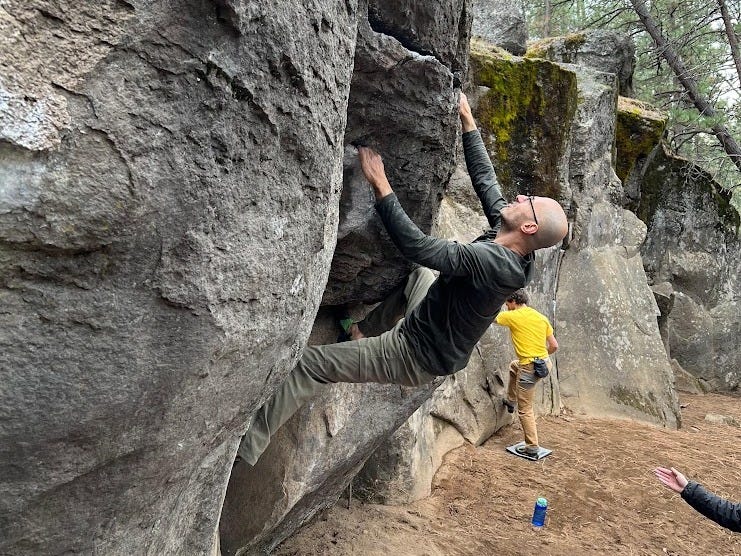
Instinctively, I decided I needed more training. And so my previous 3 days a week of climbing turned into 4-5. Not only was I climbing more but I was pushing myself hard every single time.
What I needed wasn’t “more” but the right “dose.” Eventually this led to a very tough injury and many months of missed exercise and sleep.
One common observation is how metabolism changes with age. Many try to restrict calories hoping for a better physique. But it’s usually not a calorie problem, but a better balance that’s needed with macros and movement.
More ≠ Better
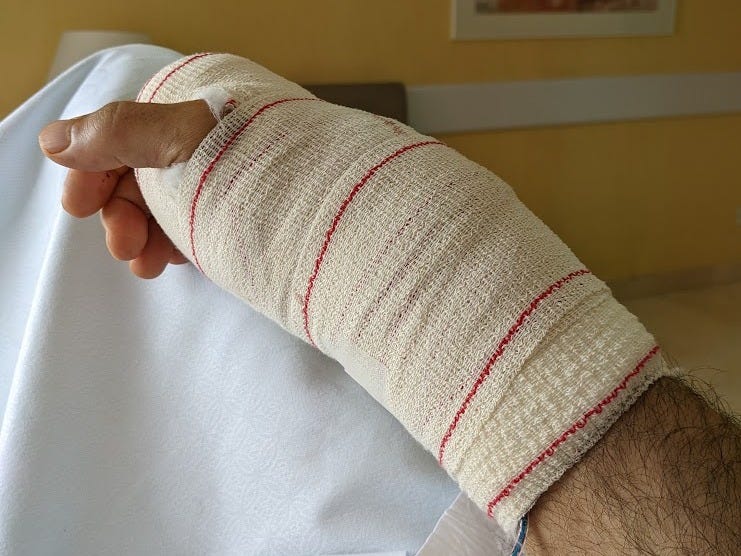
By end of 2022, I couldn’t sleep through the night because of a severe pain in my hand that shot up to my neck. I saw several specialists and they couldn’t figure out what was going on. I couldn’t hold a knife or get enough sleep. I was miserable and definitely wasn’t climbing.
The adults who come to me with stubborn weight, brain fog, and crippling fatigue are doing more because they were convinced that they’re not doing enough. They have been hypnotized by the social media influencer who gets up at 5 AM, cooks for all 4 children, and runs a multimillion dollar business.
In health coaching, the first thing we do is take things off their plate. Less exercise, less food control, and less wearable input about their sleep. And, no, nobody immediately falls off the wagon and gains 100 lbs from this. The opposite is true.
Before you add another workout or cut another food from your diet...
Take a look at what you’re already doing. Sometimes the next step isn’t more discipline. It’s recognizing which areas of your health could use more attention.
My free Healthy Aging Score Quiz is a simple place to start.
The Tenets of Healthy Aging
I was living in Spain at the time and was fortunate to be a 3-hour train ride away from a top-notch hand specialist and fellow rock climber, Dr. Roger de Oña. After some testing we figured out the injury, which by then could only have been repaired with surgery.
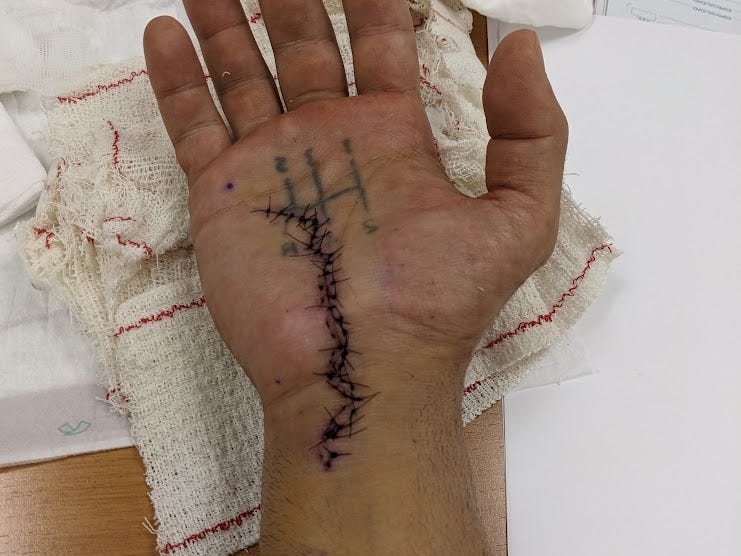
The training I did in my 30s and the amazing results I had gotten were exactly why I was now spending a night in the hospital and waiting to see if a second surgery would be needed. What our bodies can do in one decade is miles apart from what it needs a decade later.
With age, you need more downtime and more rest. A much smaller stimulus is often needed to gain amazing results. At the same time, certain results can only come at a great cost. Knowing that ahead of time helps you better prioritize what’s important to you.
In my ebook, 6 Healthy-Aging Habits, I have synthesized the most important aspects of healthy aging in 6 concepts that you can apply to your own life. These are the building blocks of better long-term health.
6 daily habits that improve energy, sleep, and long-term health:
Download the free guide!
The Health Coaching Approach
3 months after the surgery I was able to walk around without the cast and could attempt a few climbs at the gym. It would be another year before I’d get back to a decent level. Though, my climbing has never recovered the same way.
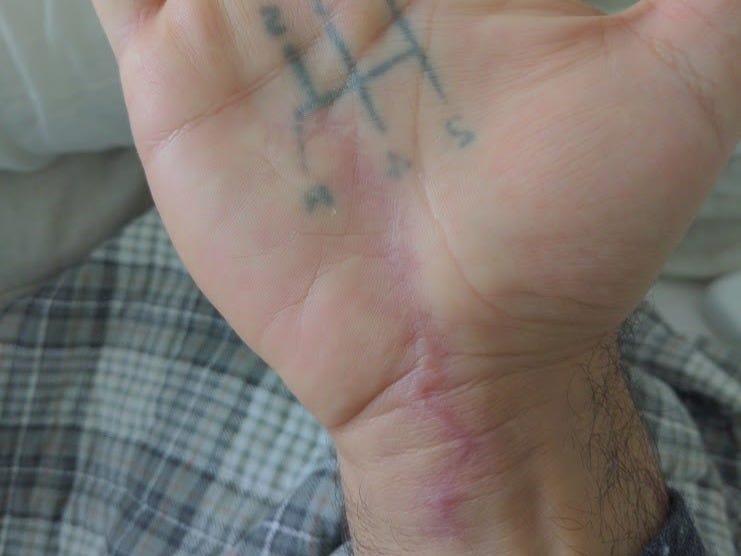
I’ve always wished that mainstream clinical medicine had more time for deeper conversations with our doctors. But the reality is that they are really good at fixing a serious problem, like the hand issue I developed, but the coaching may have to come from somewhere else.
If I had a rock climbing coach, they would have told me long ago that I was overtraining. That’s what I do now for my own health coaching clients, identifying where they are missing balance and helping them reset.
Most need to take a step back, take proper inventory, establish their health priorities, and then build a plan that gets them closest to their health goal.
What Should You Focus On First?
One of the biggest lessons I’ve learned from my own health is that more effort isn’t always the answer.
Sometimes you need to take inventory before deciding what to change.
That’s why I created the free Healthy Aging Score Quiz. It gives you a starting point for reflecting on your current habits and identifying areas that may deserve more attention.
Find Out Your Healthy Aging Score
It only takes a few minutes to get started.
Related Reading:

Disclaimer:
Dr. Mohammad Ashori is a U.S.-trained family medicine physician. The content shared here is for education and general guidance. It is not personal medical advice, diagnosis, or treatment, and it does not create a doctor-patient relationship. Humans are complicated and your personal details matter. Your healthcare team is your best resource before making medical decisions, changing medications, or managing symptoms. This information is to help you add more depth to those conversations.
Follow me on:
📸 Instagram
▶️ YouTube
📘 Facebook
👽Reddit