


I’m Dr. Ashori, family medicine physician and health coach.
If you have ever been told your liver enzymes are “just a little elevated,” or if you are carrying stubborn weight around your midsection, you might be dealing with fatty liver disease.
According to global epidemiological data published in The Lancet Gastroenterology & Hepatology, Steatotic Liver Disease now affects an estimated 1.7 billion adults worldwide. It has officially become the fastest-growing chronic liver disease on Earth.
Most adults have no idea because, just like high blood pressure and diabetes, it’s usually completely silent.
Fatty Liver Disease in Mainstream Medicine
In standard medical practice, a fatty liver is often caught incidentally on an ultrasound or dismissed if routine lab markers like AST and ALT are “within the normal reference range.”
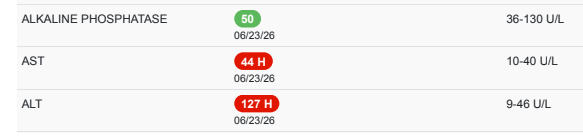
But as a physician, I am here to tell you that “normal” labs do not always equal optimal health. Early-stage hepatic steatosis routinely flies under the diagnostic radar.
Left unchecked, this fat accumulation can trigger a cascade of systemic issues, progressing to inflammation, scarring (cirrhosis), and severe metabolic dysfunction.
But the empowering news is that the liver is one of the most resilient, regenerative organs in the human body. Unlike many progressive chronic conditions, a fatty liver can be completely halted and entirely reversed without a single prescription medication.
Here is the exact 4-step protocol I use with my patients to reverse fatty liver disease naturally.
What Actually Causes a “Fatty” Liver?
A common misconception is that eating dietary fat causes a fatty liver. It doesn’t.
Instead, a fatty liver is primarily driven by an intrahepatic process called de novo lipogenesis (DNL). When your body is flooded with excess carbohydrates, specifically refined sugars and starches, your pancreas secretes high levels of insulin. Insulin acts as a storage hormone, instructing your liver to take those excess sugars and pack them away. When the liver’s glycogen storage tanks are completely full, it is forced to convert those sugars directly into fat molecules.
Think of your liver like a busy airport luggage carousel. If more bags (sugars) keep dropping onto the belt than passengers can take off, the bags eventually spill over and pile up in the middle of the room. That “pile-up” is hepatic steatosis. To fix it, we have to stop overloading the belt and turn on the body’s natural fat-clearing systems.
The 4-Step Evidence-Based Reversal Protocol
1. Eliminate Fructose and Liquid Carbs
If there is a public enemy number one for liver health, it is dietary fructose, specifically in the form of high-fructose corn syrup (HFCS) found in sodas, sports drinks, condiments, and processed foods.
And while most of my patients swear they don’t have anything with HFCS, once I inspect their food logs, it always shows up. Always.
Unlike glucose, which can be used by every single cell in your body for energy, fructose can only be metabolized by the liver. When you consume a heavy load of liquid fructose, the liver is suddenly overwhelmed, and it rapidly converts that fructose straight into fat via that lipogenesis we talked about.
Evidence:
A comprehensive review published in Nutrients highlighted that while hypercaloric diets of any kind are problematic, artificially added fructose (not fruit) is a uniquely potent inducer of fatty liver disease.
Try this:
Completely eliminate liquid sugars. Swap out sodas, sweet teas, and heavily commercialized fruit juices for water, seltzer, or unsweetened green tea.
If it comes in a box or a bottle and lists HFCS, sucrose, or added agave, keep it out of your GI tract.
2. Optimize Your Eating Window
To get your liver to burn off its trapped fat, you must give your digestive system a prolonged break.
When you enter a fasted state, your body runs through its circulating glucose and stored liver glycogen. Once those primary energy reserves are depleted, your metabolic machinery flips a switch. It enters a state of lipolysis, mobilizing stored triglycerides out of the liver cells to be used as fuel.
Evidence:
A 12-month randomized clinical trial published in JAMA Network Open tracked patients with obesity and NAFLD. The researchers found that an 8-hour time-restricted eating window (eating only between 8:00 AM and 4:00 PM) successfully reduced intrahepatic fat.
Try this:
Limit your daily eating window to 8 hours (e.g., 10:00 AM to 6:00 PM) and fast for the remaining 16 hours. This consistent fasting window gives your liver the uninterrupted time it desperately needs to clean house.
3. Increase Cruciferous Vegetables and Choline
Reversing a fatty liver isn’t just about what you take out of your diet; it’s also about what you put in. Your liver requires specific micronutrients to safely pack up fat and ship it out of the liver tissue.
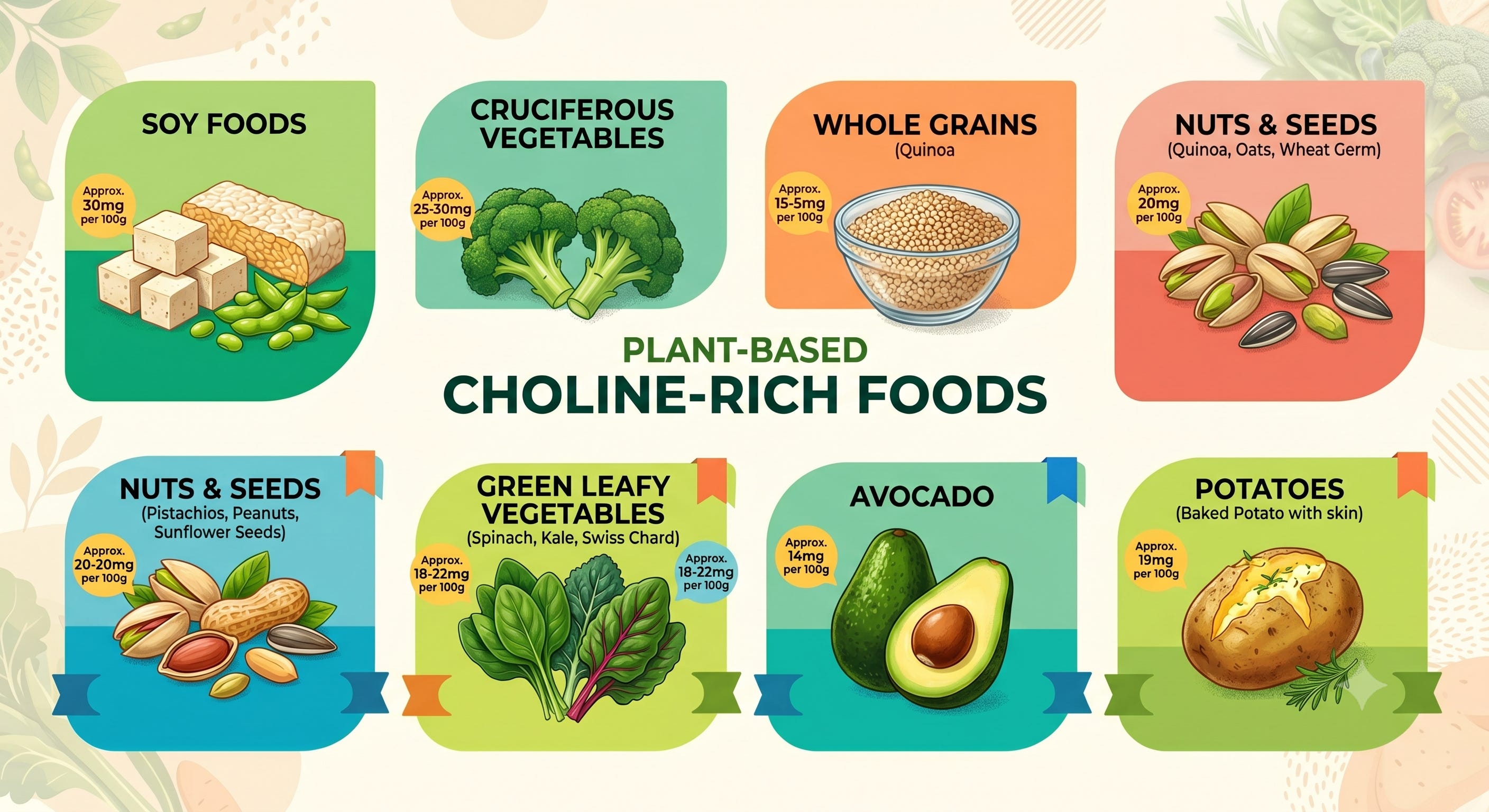
The most critical nutrient for this process is choline. Choline is required to synthesize phosphatidylcholine, a vital component of Very Low-Density Lipoproteins (VLDL). Think of VLDL as the delivery trucks that transport fat out of your liver and into the rest of the body for energy. If you are deficient in choline, the delivery trucks can’t be built, and fat gets trapped inside your liver cells.
Try this:
Prioritize nutrient-dense whole foods such as cruciferous vegetables like broccoli, Brussels sprouts, and kale. These veggies contain glucosinolates and choline, compounds that stimulate the liver’s natural detoxification pathways and protect hepatic cells from oxidative stress.
Eat high-quality, wild-caught fish, soybeans, nuts, seeds, and eggs.
4. Zone 2 Exercise For Liver Turnover
Physical activity clears liver fat directly. But you don’t need to perform grueling, high-intensity workouts that leave you utterly exhausted. All you need for liver health is Zone 2 Cardio.
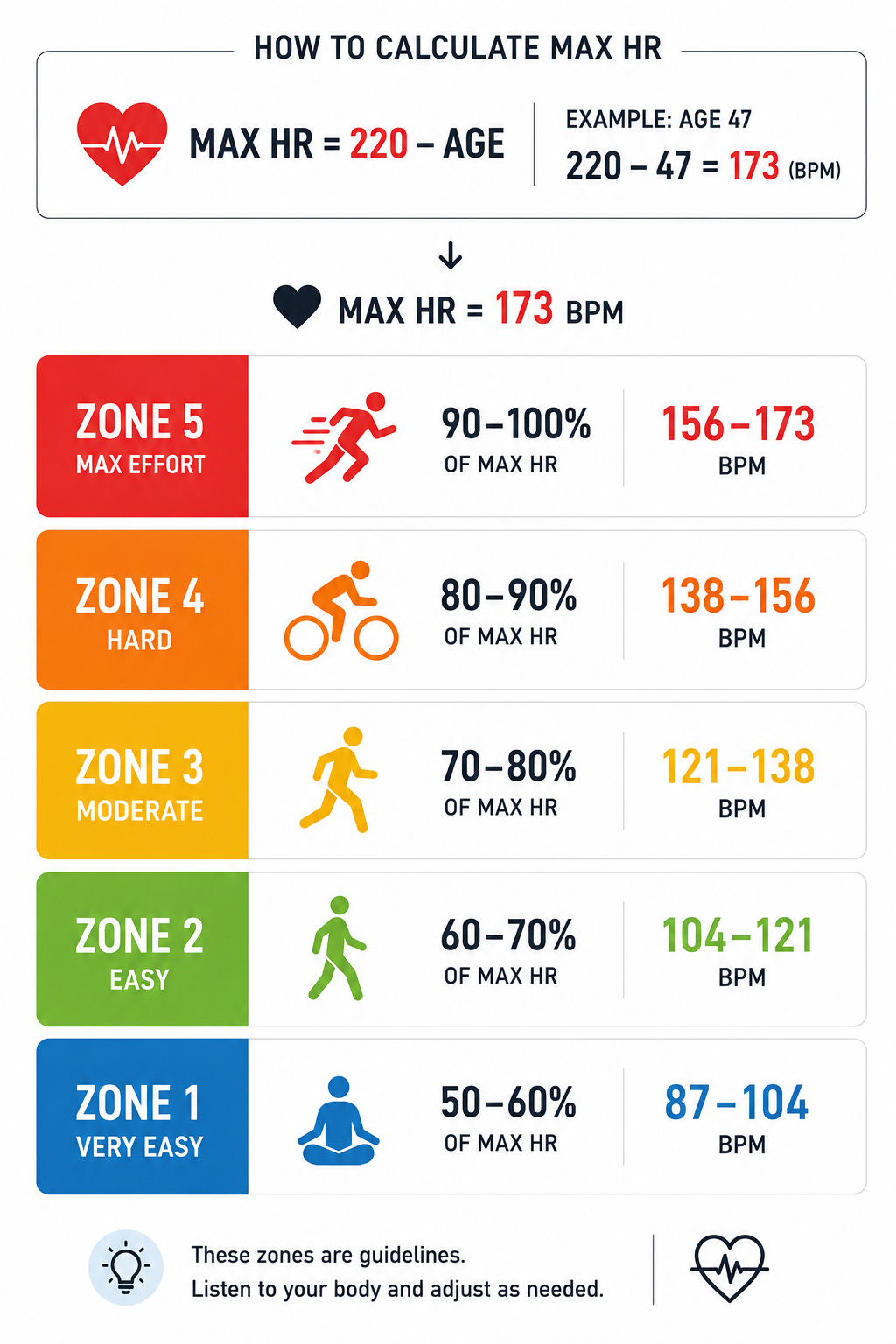
Zone 2 exercise is a steady, low-intensity aerobic effort, think of a brisk walk, a light jog, or an easy bike ride where you can maintain a conversation but your heart rate is elevated (roughly 60–70% of your max heart rate). At this exact intensity, your body relies almost entirely on mitochondrial aerobic metabolism, utilizing fat as its primary fuel source rather than burning through carbohydrates.
Evidence:
Clinical data emphasizes that consistent aerobic training significantly reduces visceral and intrahepatic fat. By working out in Zone 2, you drastically improve mitochondrial density and systemic insulin sensitivity.
Try this:
Aim for 3 one-hour Zone 2 cardio sessions per week. This can be broken down into a 30-minute brisk walk or cycle session. Keep the pace comfortable, sustainable, and consistent.
Unlock Your Complete Liver-Optimizing Protocol
While these 4 pillars give you the foundation, executing them perfectly requires specific data and tools. You shouldn’t have to guess your ideal heart rate zone or argue with your insurance company about which lab panels to order.
To help you execute this protocol flawlessly, I have put together an exclusive resource:
Inside this guide, you will get:
The exact, cutting-edge blood panels you should request from your doctor (and how to interpret them for optimal ranges, not just “normal” ranges).
A complete 12-week anti-inflammatory, choline-rich meal plan designed to minimize De Novo Lipogenesis.
The FibroScan Translator, exactly how to request this specialized ultrasound and interpret your score.
A step-by-step framework to calculate your exact Zone 2 heart rate range.
Knowing precisely when to recheck your bloodwork to visualize your liver’s healing progress.
Ready to Take Action?
I’ve put together the Liver-Optimizing & Healing Blueprint to give you the exact framework I use in my practice, including lab interpretation, specific meal plans, and heart rate math.
Related: If you’ve recently been told you have fatty liver, I also wrote about the
4 Things I’d Focus on After Being Told I Have Fatty Liver
Disclaimer:
Dr. Mohammad Ashori is a U.S.-trained family medicine physician. The content shared here is for education and general guidance. It is not personal medical advice, diagnosis, or treatment, and it does not create a doctor-patient relationship. Humans are complicated and your personal details matter. Your healthcare team is your best resource before making medical decisions, changing medications, or managing symptoms. This information is to help you add more depth to those conversations.
Follow me on:
📸 Instagram
▶️ YouTube
📘 Facebook
👽Reddit
You can get a free copy of my Fatty Liver Fix Guide here: https://www.healthyaging.drashori.com/fatty-liver-guide
N=2 I see another guide as well about healthy aging habits, I will look at that too!