


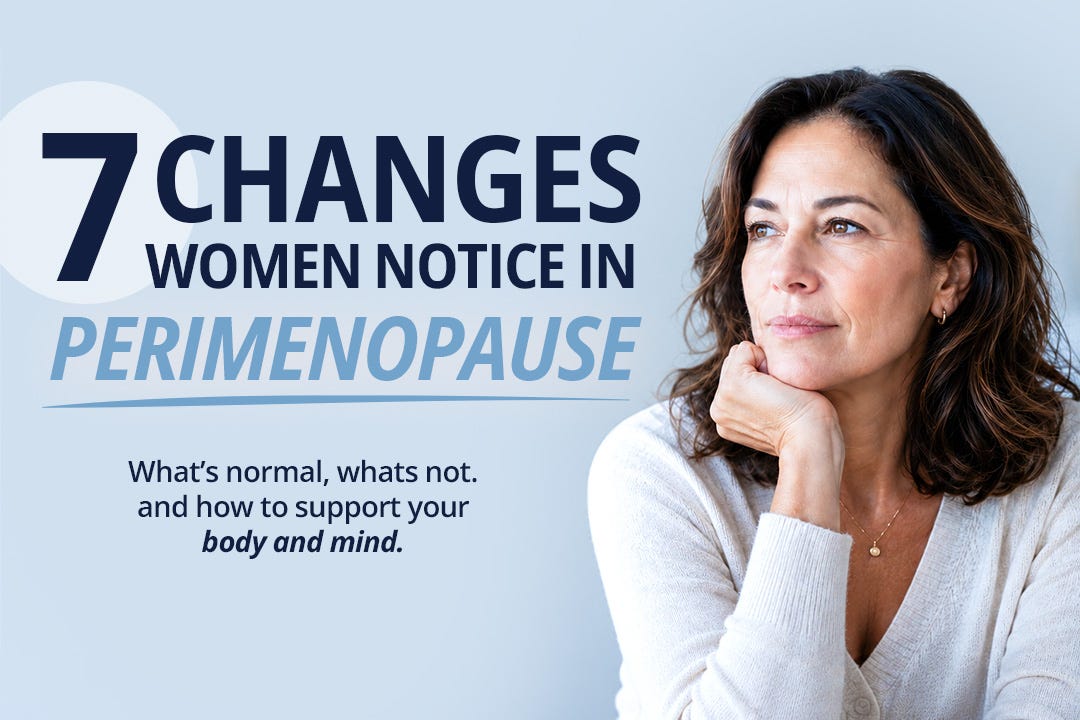
Every woman will go through this natural physiologic change somewhere in their 30s-40s.
What we don’t know is how it will affect you, individually.
Some barely notice it. Others feel like their body changed overnight.
The science says that women have a lot more say over how this transition happens. Let’s dive into the details.
Welcome to the Physician-Led Health Coaching weekly newsletter. I’m Dr. Ashori, a board-certified physician turned health coach. I help people fix brain fog, fatigue, and stubborn weight before they turn into real disease.
It’s Not Just Hormones That Change
Women can begin to experience perimenopause symptoms up to 10 years before their final period - usually in their mid-30s.
Despite what you may have heard, estrogen, testosterone, and FSH levels aren’t what matter most. It’s how your body reacts to the changes and how your lifestyle adapts during the menopause trasition. There are estrogen and progesterone receptors all over the body.
The classic set of changes I see in my practice is a woman who starts gaining weight or unable to lose it. She will have sudden increase in belly fat and her sleep will be chaotic.
On the blood panels, cholesterol and liver function test goes up and sometimes we see the inflammatory markers go up.
Unfortunately, like many women’s health issues, it’s diminished to stress or ‘normal’ aging.
Perimenopause is a true metabolic shift. And if you can prepare for it, your body will thank you. Your symptoms will be milder and the negative health effects negligible.
The Important Systems That Change
During the menopause transition, women experience a 10-15% increase in LDL cholesterol and a 10-12% loss of bone density over those years.
There are a few systems that almost always get affected:
Metabolism
Bone health
Cardiovascular health
Sleep & recovery
Mood & stress response
There are advantages to this transition and your lifestyle choices today will have a big impact of how your body’s systems respond.
The Earliest Signs Often Ignored
Compared to premenopausal women, during midlife there’s a 3x higher risk of high blood pressure, excess body fat, and insulin resistance.
One of the earliest signs I’ve seen in my patients is stubborn weight, even with a healthy lifestyle.
Body fat - This is also the time that subcutaneous fat starts redistributing to the belly area, causing the unwanted belly fat.
Mood - Stress, anxiety, and low mood are often associated with a primary mood disorder. And this is often incorrectly treated with antidepressants, instead of the necessary lifestyle changes to help rebalance hormones.
Heart Health - It’s also cardiometabolic changes, such as a rising cholesterol lab panel. This is especially important when your diet, exercise, and weight haven’t changed meaningfully.
Energy & Sleep - Finally, sleep problems, such as being wide awake in the middle of the night and crashing in the early afternoon are potential signs of perimenopause.
It Feels Harder Than Expected
Approximately 45% to 85% of women report bothersome symptoms during the transition, yet a staggering 75% of women who seek help for these symptoms do not receive adequate treatment.
In 2026, women in their 30s and 40s are more accomplished and busier than ever before.
They are raising kids, growing careers, managing a household, budgeting, exercising, and taking care of elderly parents.
Even without any hormonal changes women in this stage of their lives have higher stress, less time to recover, increased hunger, and a dropping metabolism.
You finally have the physical fitness you’ve worked so hard for but now several aspects of your health seem to not be in your control.
We Don’t Want to “Fix” Perimenopause
Going through menopause is as natural as puberty. But the transition doesn’t have to wreak havoc on your lifestyle.
I’ve seen it over and over again; my patients who choose specific lifestyle habits tend to fair much better during this hormonal change.
We have solid evidence to show that this transition can feel much better for most women. Symptoms will be milder and more predictible. Life will be less disrupted and overall health outcomes will be better.
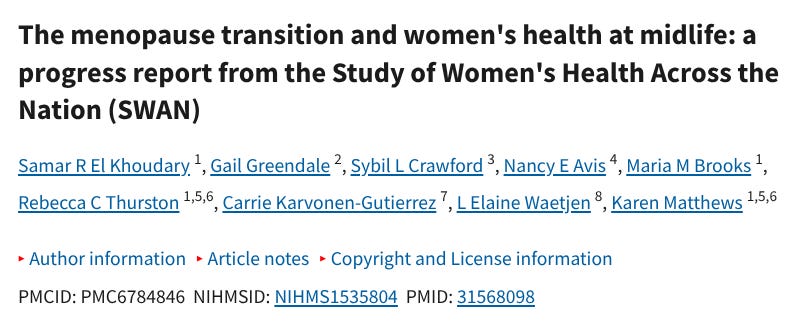
And in some cases, barely noticeable. This is huge - knowing that you can affect how it feels inside you is empowering.
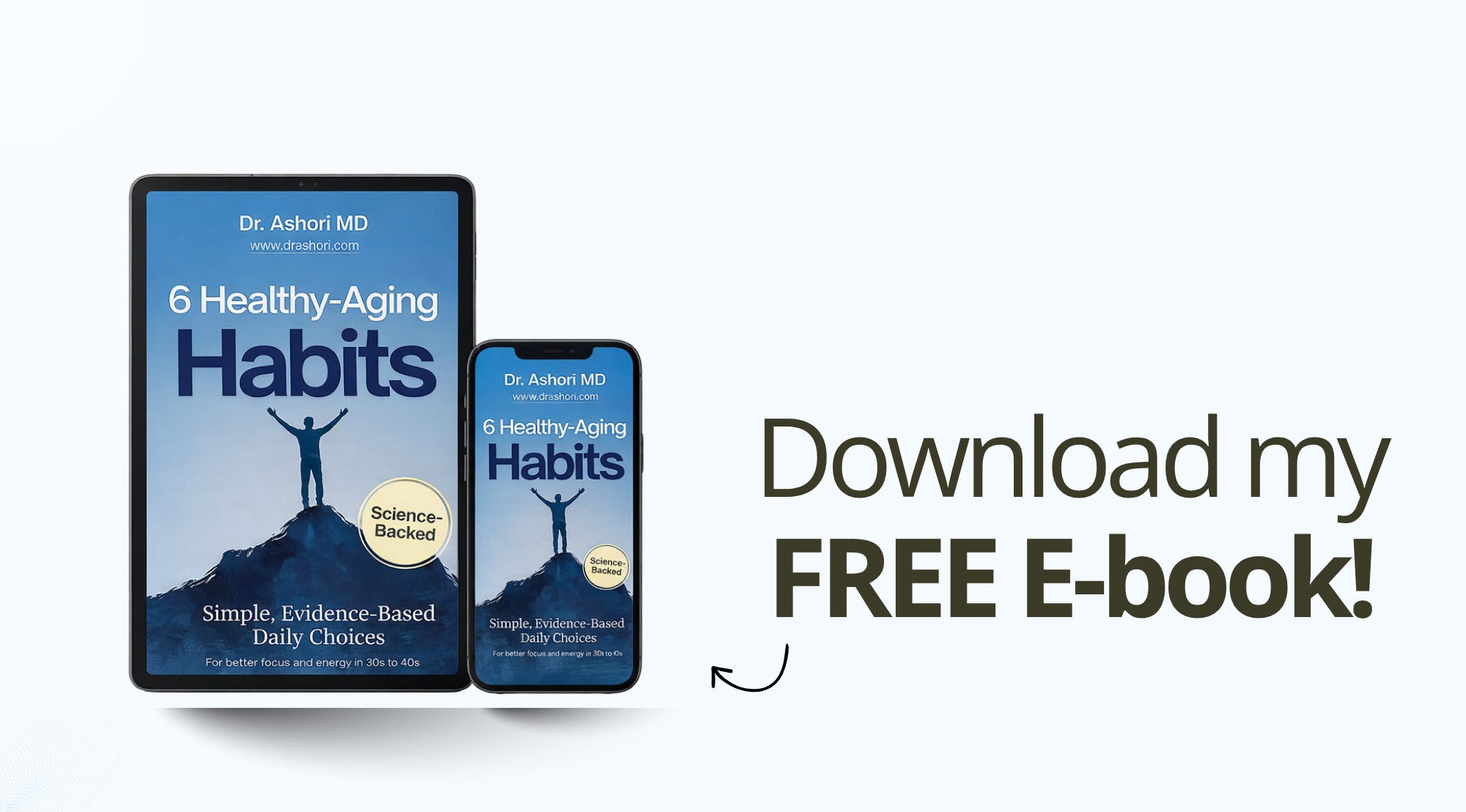
6 daily habits that improve energy, sleep, and long-term health:
Download the free guide!
7 Habits With The Biggest Impact
Clinical data suggests that women lose approximately 3-8% of their muscle mass per decade after age 30, which accelerates during perimenopause and directly impacts metabolic rate.
1. Use Your Muscles to Your Advantage
The Evidence: Resistance Training and Bone Mineral Density in Postmenopausal Women
High-intensity resistance training is proven to not only stop muscle loss but significantly increase bone density in the femoral neck and spine, directly counteracting the menopause-related osteopenia and osteoporosis.
Muscle is the main way metabolism is managed. It stabilizes weight (mitochondria), improves insulin sensitivity (insulin receptors), and supports long-term health.
Lift weights.
Focus on big movements: squats, pushes, pulls.
Progress slowly.
2. Be Intentional With Sleep
The Evidence: Sleep Trajectories and the Final Menstrual Period: SWAN Sleep Study
Landmark data shows that “waking up frequently” is specifically tied to the hormonal shift of menopause, making targeted sleep habits a critical tool for quality of life.
Sleep affects hormones, mood, appetite, and recovery. Better sleep means a better hormonal transition.
Keep a predictable sleep schedule.
Limit late-night stimulation.
Avoid late night heavy meals.
3. Nutrient-Rich > Calorie-Rich Foods
The Evidence: Nutrient Intake and Menopausal Symptoms
Clinical evidence confirms that women with higher intakes of vitamins and antioxidants through whole foods report improves symptoms compared to those eating calorie-dense, nutrient-poor diets.
Because of the stronger hormone drive during this hormone transition, most women get the majority of their calories from refined carbs.
Switch away from refined carbs.
Increase fruits, vegetables, beans, & lean protein.
Eat more frequently if hunger demands it.
4. Increase Fiber, A Lot
The Evidence: Dietary Fiber Intake and Mood
Increasing fiber intake is shown to significantly lower the risk of metabolic syndrome and insulin resistance, which can rise 3x during the transition.
Fiber supports gut health and helps regulate cholesterol and blood sugar. It’ll keep you satiated more than it seems.
You might eat more but you’ll absorb fewer simple carbs.
Add vegetables, legumes, whole grains daily.
Build meals around fiber.
Experiment with beans, lentils, oats.
If this resonated with you, I work with a small number of clients to figure out what’s actually going on behind their symptoms to build a plan that works for them.
If you want help with this:
5. Move Consistently
The Evidence: Impact of Exercise on Perimenopausal Syndrome: A Systematic Review of Randomized Controlled Trials
This 2025 review shows that exercise reduces the total burden of perimenopausal symptoms. Specifically irritability, muscle pain, and physical fatigue by approximately 15.7%.
Even if exercise isn’t in the cards right now, get regular movement.
Daily walking.
House chores that get you sweating.
Avoid long gaps between movement.
6. Address Your Stress
The Evidence: Cognitive behavioural treatment for women who have menopausal symptoms after breast cancer treatment
This landmark randomized controlled trial demonstrated that 6 weeks of group Cognitive Behavioral Therapy significantly reduced the distress and “problem rating” of hot flashes and night sweats, with improvements in mood and sleep.
Stress amplifies everything: sleep issues, weight gain, mood changes.
Create a daily “off switch”.
Walk, breathe, or step away from inputs.
Keep it simple and repeatable.
You Might Be Aging Faster Than You Think
Do you know Your Healthy Aging Score?
Find out which area is holding you back and what to do next.
7. Don’t Rely Just on Labs
Your symptoms and how you feel will often change before your labs do.
I have countless examples of women who had in-depth lab testing done to show their FSH, estradiol, and testosterone were all normal. But they had all the classic symptoms of perimenopause.
Track energy, sleep, weight trends.
Get your resting heart rate, heart rate variability.
Notice patterns early with a journal.
If You Need Help Preparing
This is exactly where physician-led health coaching helps.
Without overcomplicating it, the goal is to:
Create a stable routine.
Identify what’s changing.
Adjust before things get out of hand.
Health coaching isn’t about more information. It’s best for creating a sustainable habit and seeing real results. It helps with structure when you need it most.
Disclaimer:
Dr. Mohammad Ashori is a U.S.-trained family medicine physician. The content shared here is for education and general guidance. It is not personal medical advice, diagnosis, or treatment, and it does not create a doctor-patient relationship. Humans are complicated and your personal details matter. Your healthcare team is your best resource before making medical decisions, changing medications, or managing symptoms. This information is to help you add more depth to those conversations.
Follow me on:
📸 Instagram
▶️ YouTube
📘 Facebook
👽Reddit