


You read that visceral fat is bad so you’ve been on a mission to get your waist number down. Let’s first make sure you’re taking the right measurement and then we’ll tackle stubborn weight around the belly.
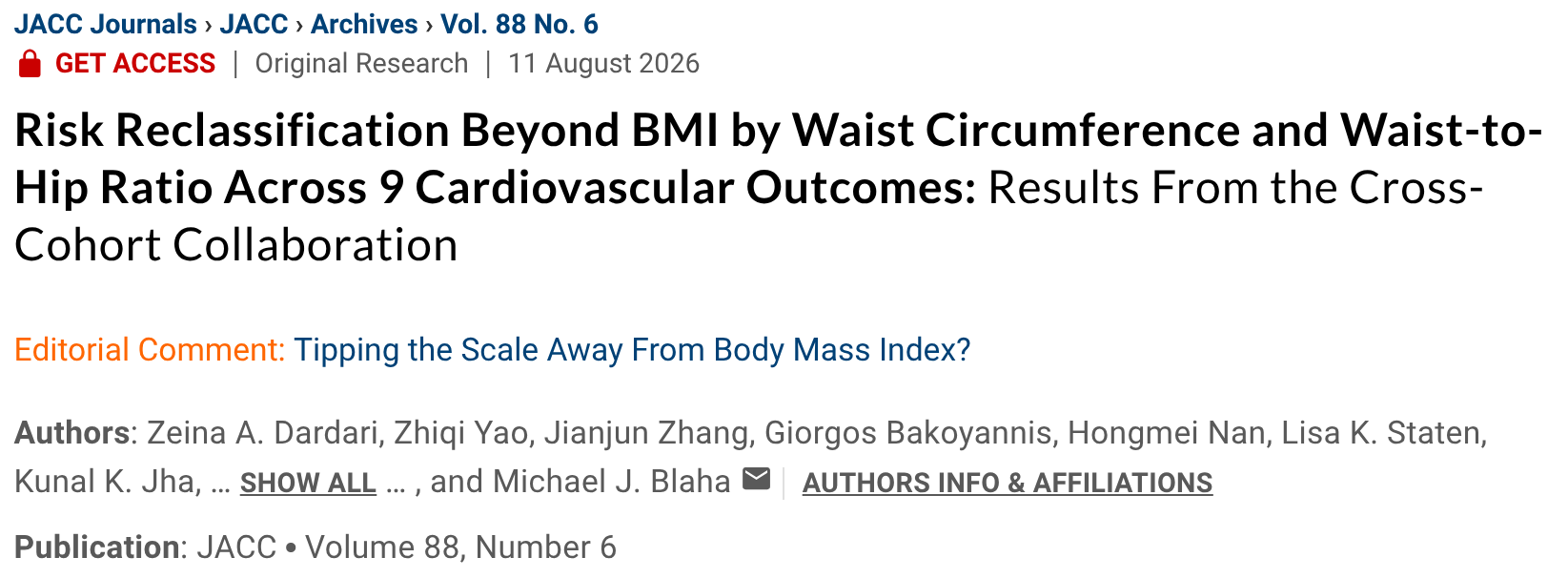
A recent article in 2026 showed that visceral fat is a stronger predictor than BMI:
Welcome to the Physician-Led Health Coaching weekly newsletter. I’m Dr. Ashori, a board-certified physician & health coach. I help people fix brain fog, fatigue, and stubborn weight before they turn into real disease.
1. Are You Taking the Correct Measurement?
You’re 6’ tall and you read that a 32-34” waist is ideal but you’re hovering around 36.
You probably are measuring your waist circumference when you’re bloated, which naturally will give you a larger measurement. The best measurement is after you haven’t eaten for 12 hours and you haven’t eaten anything too bloat inducing.
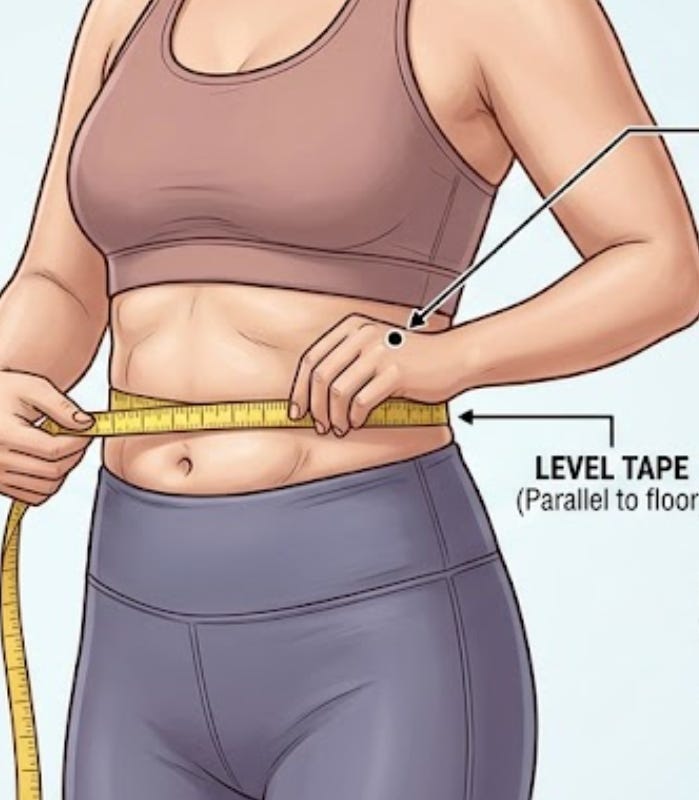
Measure at the midpoint between the bottom of your lowest rib and the top of your hip bone (iliac crest). Keep the tape horizontal to the ground and take your measurement.
2. Abdominal Wall Laxity
You have a natural corset which is called the transverse abdominis. If your core is weak or you have some tissue laxity then it’s normal for abdominal content to protrude more, making a waist measurement less accurate.
In this case, your measurement will be falsely elevated. You may have no excess visceral fat.
3. Forward Tilting Pelvis
Anterior pelvic tilt increases the arch in the lower back and makes your belly stick out more, inflating your waist circumference numbers.
Before taking a measurement line up your pelvis. You can do this by slightly drawing your pelvis up. You don’t want to flex your abdominal muscles too much, but enough to line things up.
Now, what if you don’t have any of these issues but having trouble losing your stubborn belly fat.
Oh, and don’t slouch. Stand up straight when you take the measurement.
4. You Need More Time
You’ve eaten a perfect diet, exercised, cut out the alcohol, and getting plenty of sleep, but it’s only been 1 year. That’s not enough to fat redistribution and not enough for the fat to leave the belly.
If you’re in your 20s, yes, it’ll happen very fast. Past your 30s, it can take 12-30 months. The majority of the fat melted off but the last stubborn bit will also disappear if you stick to your plan.
5. Hyperinsulinemia
Insulin is the fat-storage hormone. If it hasn’t come down enough then it might continue to signal for more belly fat.
It can be a really stubborn hormone in some people but we’ve been able to get it down on almost everyone in my practice.
6. Excess Cortisol
There are a lot of cortisol receptors on deep visceral fat compared to subcutaneous fat. Unless this changes it’s hard to lose the last bit of excess belly fat.
Stress and chronic inflammation will keep the fat alive. You’ll constantly pull fat from under skin and mobilize it to the belly area.
7. Alcohol Consumption
For some people alcohol isn’t a problem but some adults have a different enzyme composition in the liver and this organ will prioritize processing alcohol over all other metabolic tasks.
When the liver can’t metabolize fats, they’ll land in the bloodstream and get deposited not just into visceral fat but also into the liver. Try experimenting with zero alcohol and see if that changes things.
8. Not Enough Muscle
Muscles are the best way to get rid of excess glucose in the bloodstream. If you don’t have enough then the extra blood sugar will get turned into triglycerides which will be deposited in the belly area, increasing visceral fat.
Finally, remember that your measurement is a crude metric for belly fat. If you want to know for sure then consider getting a DEXA scan, MRI, or even a bioimpedance measurement.
Disclaimer:
Dr. Mohammad Ashori is a U.S.-trained family medicine physician. The content shared here is for education and general guidance. It is not personal medical advice, diagnosis, or treatment, and it does not create a doctor-patient relationship. Humans are complicated and your personal details matter. Your healthcare team is your best resource before making medical decisions, changing medications, or managing symptoms. This information is to help you add more depth to those conversations.
Follow me on:
📸 Instagram
▶️ YouTube
📘 Facebook
👽Reddit