


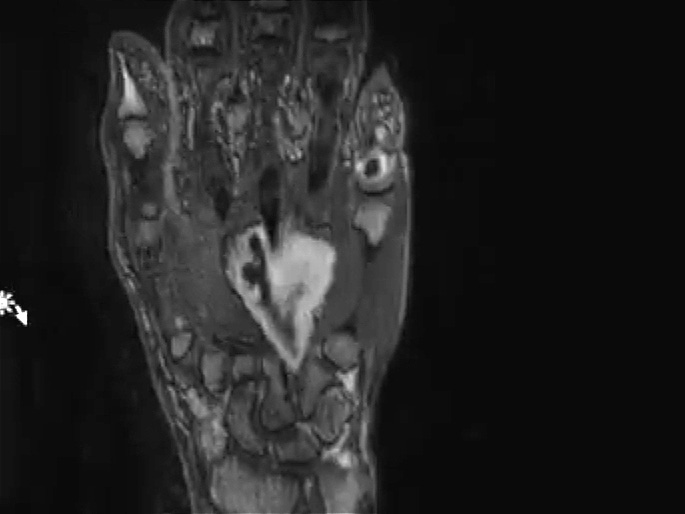
10 years into climbing, a terrible pain started in my right hand. Soon, it traveled up my arm. Eventually, I couldn’t even sleep. 3 surgical consults and 1 hand surgery later, I was facing not being able to continue something I loved.
What does it take to keep climbing for decades? Or playing any sport you love long into the future?
Welcome to the Physician-Led Health Coaching weekly newsletter. I’m Dr. Ashori, a board-certified physician & health coach. I help people fix brain fog, fatigue, and stubborn weight before they turn into real disease.
Why Climbing Has Become Personal to Me
The first time I climbed indoors I fell in love with the problem solving, the feeling of your entire body against gravity. It’s a sport that hooks people and never leaves them.
To climb well, you have to train. It’s not the kind of sport where you can just climb, perhaps because it’s not always easy on the body.
It was never easy for me to know when I was overtraining or whether my gym training was climbing-specific enough. But that’s exactly what makes all the difference in sport longevity.
Health and climbing have so much in common. To enjoy your health you have to do some training for it and sometimes it’s a sacrifice while other times it’s pleasurable. And just like training for climbing you can overdo it, suffering from side effects or other burnout.
Why I Appeared on The Nugget Climbing Podcast
Steven Dimmitt is a fantastic climber who started a well-rounded podcast related to climbing. He interviews the best climbers, coaches, and random people who’ve fallen in love with the sport over the years.
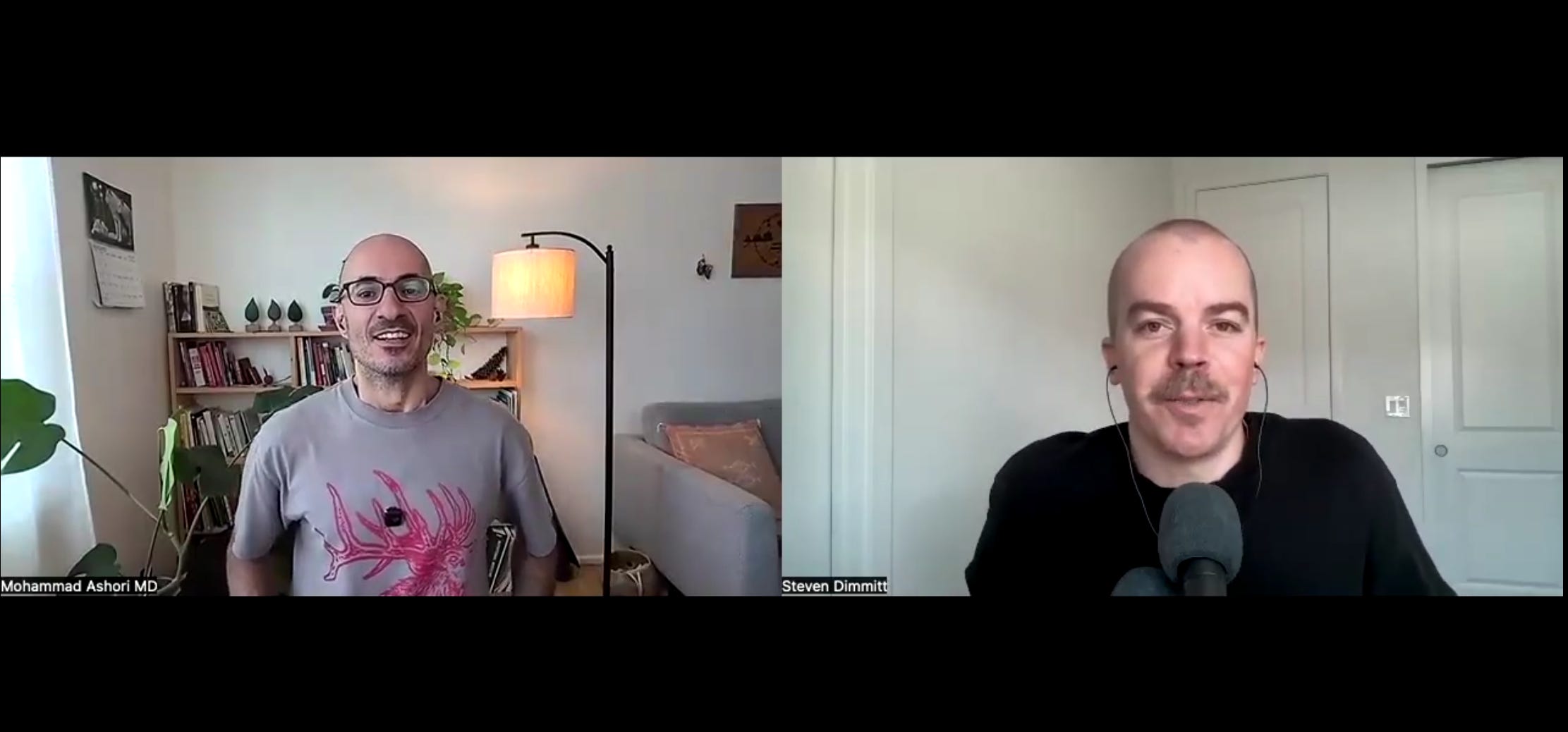
I reached out to Steven because of my own personal passion for long-term health and longevity in climbing. We threw around a few ideas for a podcast we could record together and finally settled on “The 5 Things That Will Keep You Climbing for Decades.”
What We Talked About
Climbing creates muscles but what kind of muscles do we need to climb for decades to come?
Had I spent more time letting my body recover from my hand injury I wouldn’t have ended up needing a major hand surgery. How does one intentionally structure recovery?
Nutrition and metabolic health is of course at the heart of my Physician-Led Health Coaching but it’s also what every athlete needs for growth and recovery. So, of course, we covered specifics of sports nutrition.
We talked about the right kind of cardio for adequate aerobic capacity so you can train harder.
My TREND Method is centered around “Testing.” I want useful data to know what actions to take for my patients and coaching clients. But we have high level data and less useful data. Check out our discussion about Steven’s A1C and LDL results.
What I Didn’t Expect Us to Cover
We talked at length about evidence in medicine and the US healthcare system.
It’s fascinating that two adults from very different backgrounds have come to overlapping conclusions regarding health.
Listen to the Full Conversation
Whether you're a dedicated athlete or just looking to safeguard your baseline health against aging, this episode is for you. Listen to the full conversation.
Click this link to take you to your favorite podcast app.
If you want to start taking a more intentional approach to your health, learn more about my Physician-Led Health Coaching program.
Disclaimer:
Dr. Mohammad Ashori is a U.S.-trained family medicine physician. The content shared here is for education and general guidance. It is not personal medical advice, diagnosis, or treatment, and it does not create a doctor-patient relationship. Humans are complicated and your personal details matter. Your healthcare team is your best resource before making medical decisions, changing medications, or managing symptoms. This information is to help you add more depth to those conversations.
Follow me on:
📸 Instagram
▶️ YouTube
📘 Facebook
👽Reddit