



2025 forced me to rebuild the way I practice medicine from the ground up.
2025 was messy and exciting. This year taught me more about medicine, people, and myself than any year in traditional practice ever did.
Welcome to the Healthy Aging Newsletter, a free publication translating trustworthy medical research into simple habits to age well, free of chronic disease. I’m Dr. Ashori, a family medicine doctor turned health coach.
What I Built in 2025
Online health coaching practice
Online direct-pay primary care clinic
500+ patient encounters in 2025
Patients in 5 different countries
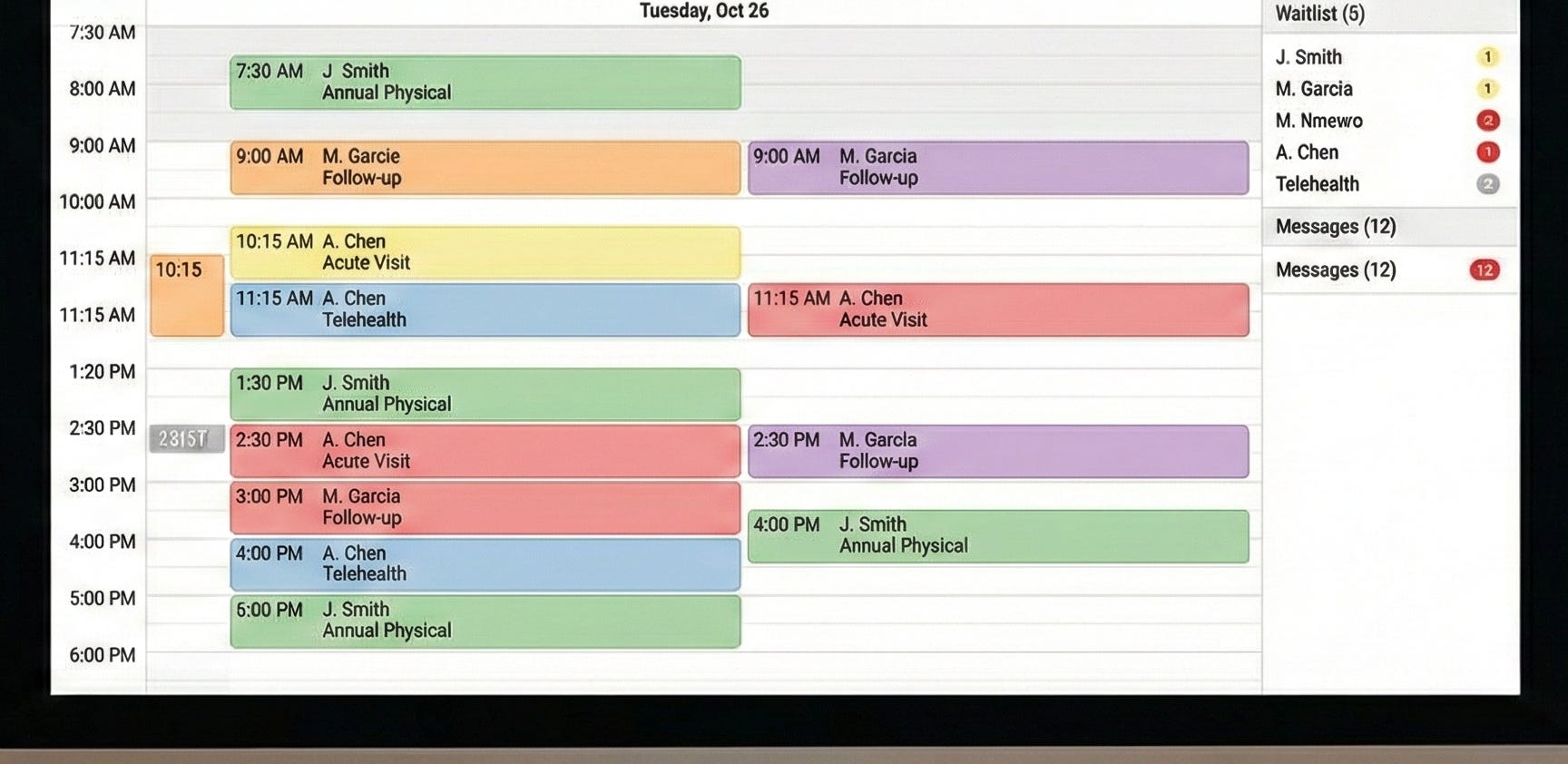
I ran a parallel practice with health coaching and direct primary care - a membership based family medicine practice.
Providing good care felt easier than the insurance-based model I came from. And follow-through improved.
What I Learned From Patients
They are doing too much, not too little
Nobody knows what direct primary care is
Few know how much meds & labs cost
The biggest myth in healthcare is that people want the easy way out.
Most of my clients and patients overdo the effort part.
People want to trust the process. They need permission to do less.
Most feel that healthcare advice is too conflicting.
What I Learned About Coaching vs Clinical Medicine
People can’t find the time to take care of themselves
Walking and talking is better than sitting behind a desk
Listening = more vulnerability
Clinical medicine is too analytical and it sometimes takes away from a simple conversation.
Even though my panel size is small, the bottleneck remains the time my patients have to take care of themselves.
Health coaching allowed me much more time to chat with my patients.
I moved my patients away from their desks and cars and we took our conversions to nearby parks and hikes.
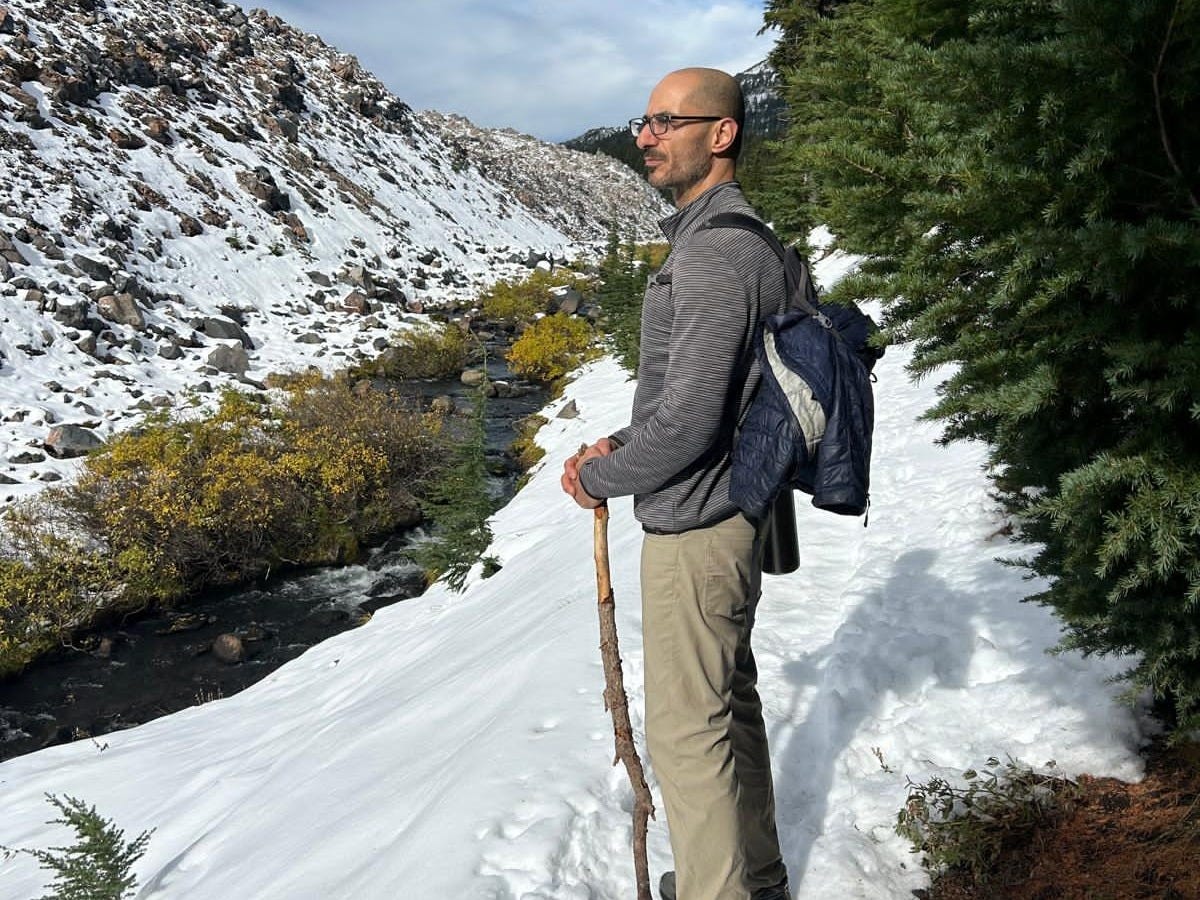
Coaching is ideal for more listening, less prescriptions, more vulnerability.
The outcomes were not always dramatic. But they have been durable.
Time and Money Saved
A virtual-only practice is still a relatively new concept but people have taken to it.
Patients saved:
Sitting in traffic
Sitting in crowded, contagious waiting rooms
ER visits they didn’t need
Specialist referrals that didn’t help
Years of supplements with no benefits
Labs & meds
I saved:
Hours of unpaid charting
Insurance denials
Medicare fraud alerts
Emotional exhaustion from fighting systems
Practicing defensive medicine
Healthcare is expensive until you realize that most of what mainstream healthcare offers isn’t necessary.
The Hard Parts Nobody Sees
People have strong opinions about how you should run your practice
Marketing takes a lot of time/energy
Seeing patients suffer is painful
There were a lot of slow months and self-doubt. Followed by a tsunami of clients and customers.
Fellow physicians and patients expressed their disapproval for a cash-only doctor who doesn’t take Medicaid or Medicare patients.
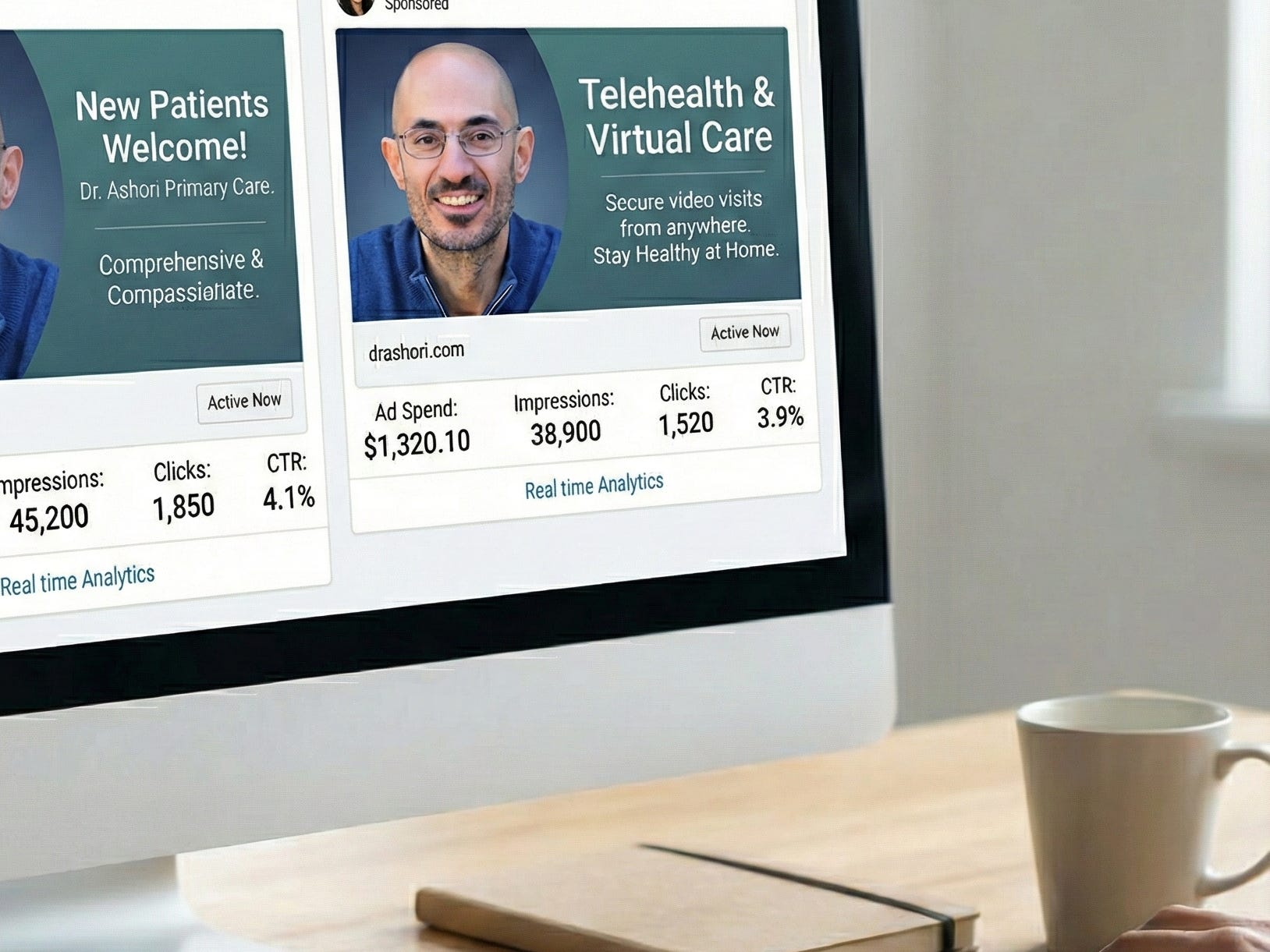
The marketing zapped my energy the most. But my team has been amazing and I am grateful to them.
Taking a 50% pay cut just feels wrong. But having enough time with my patients feels so right.
It’s painful to watch your patient make bad health decisions. But part of being a good doctor is being there for them.
Marketing in healthcare is predatory. I can’t express it in a kinder way.
How I Grew as a Physician and as a Person
It’s okay to not know
It’s not okay to not know how to find the right answer
Saying no = healthier patients
I became a lot more comfortable saying “I don’t know,” “Let’s watch it a little longer,” and “I know someone we can ask.”
I love being able to say “Just text me later tonight,” “Send me a video of it,” and “I’ll be on the call when you talk to the specialist.”
I’ve had to say no to a lot more patients because they aren’t the right fit for my practice.
Primary care medicine is about a relationship with a doctor who cares about you and someone you can trust.
The Patients Who Changed Me
More time = more questions = better conversations
Health is unpredictable
Prevention still beats treatment
I won’t share names or details but I’ve learned a lot from those who pushed back and advocated for themselves. It’s humbling.
A patient in Ireland messaged me at midnight about chest pain. We talked for 10 minutes and avoided an ER visit.
My neighbor got rid of his prescription sleep medication and is sleeping better than ever before.
I learned that what they say isn’t always what they’re doing and they won’t always say what they’re doing. Trust takes time.
I just ask more questions with genuine, non-judgemental curiosity, they’ll answer their own questions.
Health is unbelievably unpredictable. My sick patients suddenly healed and my healthy patients suddenly became ill.
My Own Health
I’m more relaxed about what I eat and what I avoid. Being too strict can burn you out.
I do much more stretching and maybe that’s why I’m able to rock climb harder than before.
I have set healthier and firmer boundaries. My family and friends seem to appreciate it.
What Surprised Me
The smallest interventions were the most successful
The sickest patients got the fastest results
Peptides are everywhere
Half of my patients weren’t taking their meds as prescribed
My patients are unbelievably resourceful
Thank You to …
My patients who trust me and follow me here
Colleagues who sent their tough cases to me
My team (Jeremy, Kays, Cess, Deb, and Rabeea)
All of you who have subscribed
Looking at 2026
I want to build my network of excellent cash-based specialists to whom I can refer my patients.
Hire a virtual MA + IT person.
Make it even easier for my patients to connect.
Enroll 25 more health coaching clients and 50 more primary care patients in California.
Dr. Mohammad Ashori is a U.S.-trained family medicine physician turned health coach. The content shared here is for education and general guidance only. It is not personal medical advice, diagnosis, or treatment, and it does not create a doctor–patient relationship. Humans are complicated and context matters. Always talk with your own healthcare team before making medical decisions, changing medications, or ignoring symptoms. This information is to help you add more depth to those conversations.
I am always amazed by your willingness and creativity to go off the "beaten path" of medicine and showing what's possible outside the mainstream ideas of how most think medicine should or ought to be practiced. Thank you and Merry Christmas!
Great to hear what you've learned thanks for sharing!