



It’s 2 am and you’re wide awake. It doesn’t always happen but often enough that you dread it. Especially when you have a big day the next morning.
Night-time awakenings are actually normal and supposed to happen. But you shouldn’t be so awake that you can’t fall back asleep. Here are a few solutions and reasons why this happens.
Welcome to the Healthy Aging Newsletter, a free publication translating trustworthy medical research into simple habits to age well, free of chronic disease. I’m Dr. Ashori, a family medicine doctor turned health coach.
You can’t force sleep. The more you do the worse it gets. You train your brain with your habits and with how you respond to wakefulness. The goal is to help you break the anxiety loop so that the next time you catch yourself awake at 2 am, you dose right off.
Why You Wake Up At 2 A.M.
Again, it’s important that I normalize this, first: Your brain is supposed to move from light to deep sleep and back and forth. You’ll have brief awakenings that most of us should barely notice.
If you aren’t bothered by the night-time awakenings, you have enough sleep drive to get you back to sleep. We want to nurture this sleep drive in the midnight insomniac.

The part that usually keeps you up is the reaction to being awake. Subconsciously, you dread not getting enough rest to perform the next day. There is blame, worry, and an internal dialogue.
The pressure we put on ourselves to fall back asleep keeps us awake. That is what creates the spiral. Even if you aren’t intentionally creating that pressure or aware of it, it’s there.
The Bed-Stress Cycle
You wake up → you’re aware of being awake → irritated → anxiety levels go up → your sleep drive plummets → you’re wide awake.
It can get so bad that my patients dread going to bed. They don’t know when it’ll hit or it’s gotten so bad that they spend 2-3 hours wide awake every single night.
We break that cycle by changing habits which will change your response. If you’re awake for more than 20 minutes and getting frustrated, get out of bed. Sit somewhere dim. Do something calm, quiet. Let your brain reset without too much stimulation. Then come back when you feel sleepy.
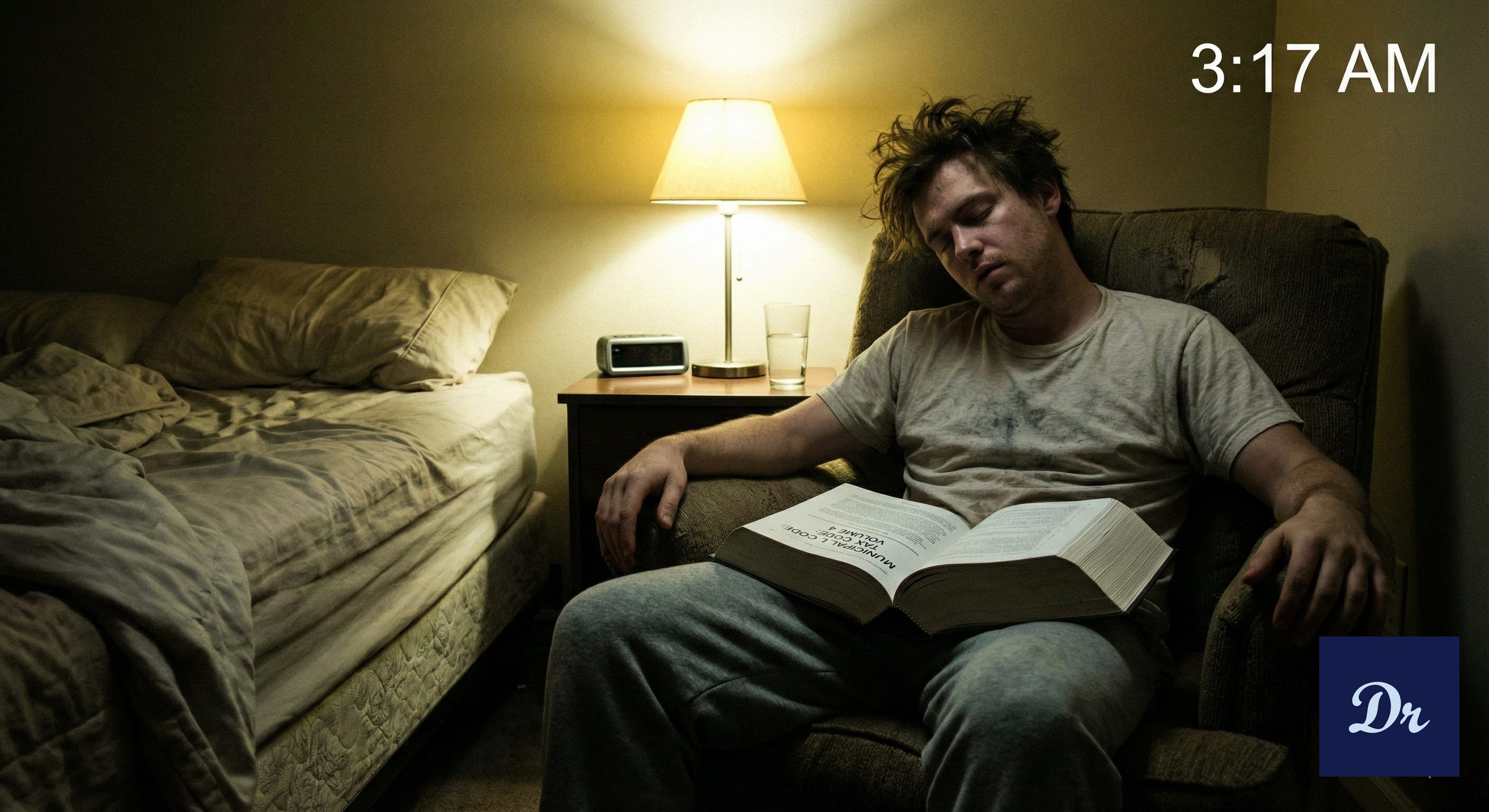
You’re retraining the association. The bed should feel like a place for rest, not a place to problem-solve or punish yourself for being awake.
What To Do In The Moment
Treat the middle of the night wake-up as normal. Say to yourself, “This is not ideal, but it isn’t dangerous. It’s part of my normal body function. I know what to do and I’ll be okay.”
Step 1: Give your brain a small job. A slow body scan (my personal favorite), counting backward, word games. These little tasks keep your mind from wandering into stress or problem solve.
Step 2: Avoid looking at the clock. Clock-checking leads to stress. It forces you to catastrophize the future, doing math. You start worrying about tomorrow.
Step 3: If you exit the bed, keep the environment calm. No bright lights. No emails. Nothing stimulating.
Step 4: When thoughts of dread creep in about the next morning, focus on your breathing. Try to imagine the best case scenario.
If it feels like it’s been more than 20 minutes of you trying to fall back asleep, get out of bed instead of struggling.
As soon as I’m awake in the middle of the night I first do my full-body scan and if I’m still awake, I get up and go sit on my comfy bedside chair reading my dimly lit Kindle.
Daytime Habits That Solve 2 AM Wakeups
Nighttime sleep depends on what you do, think, and feel during the day.
Morning light = cortisol + melatonin.
Consistent wake-up = training your internal clock.
Caffeine = blunted sleep drive.
Alcohol = fragmented sleep.
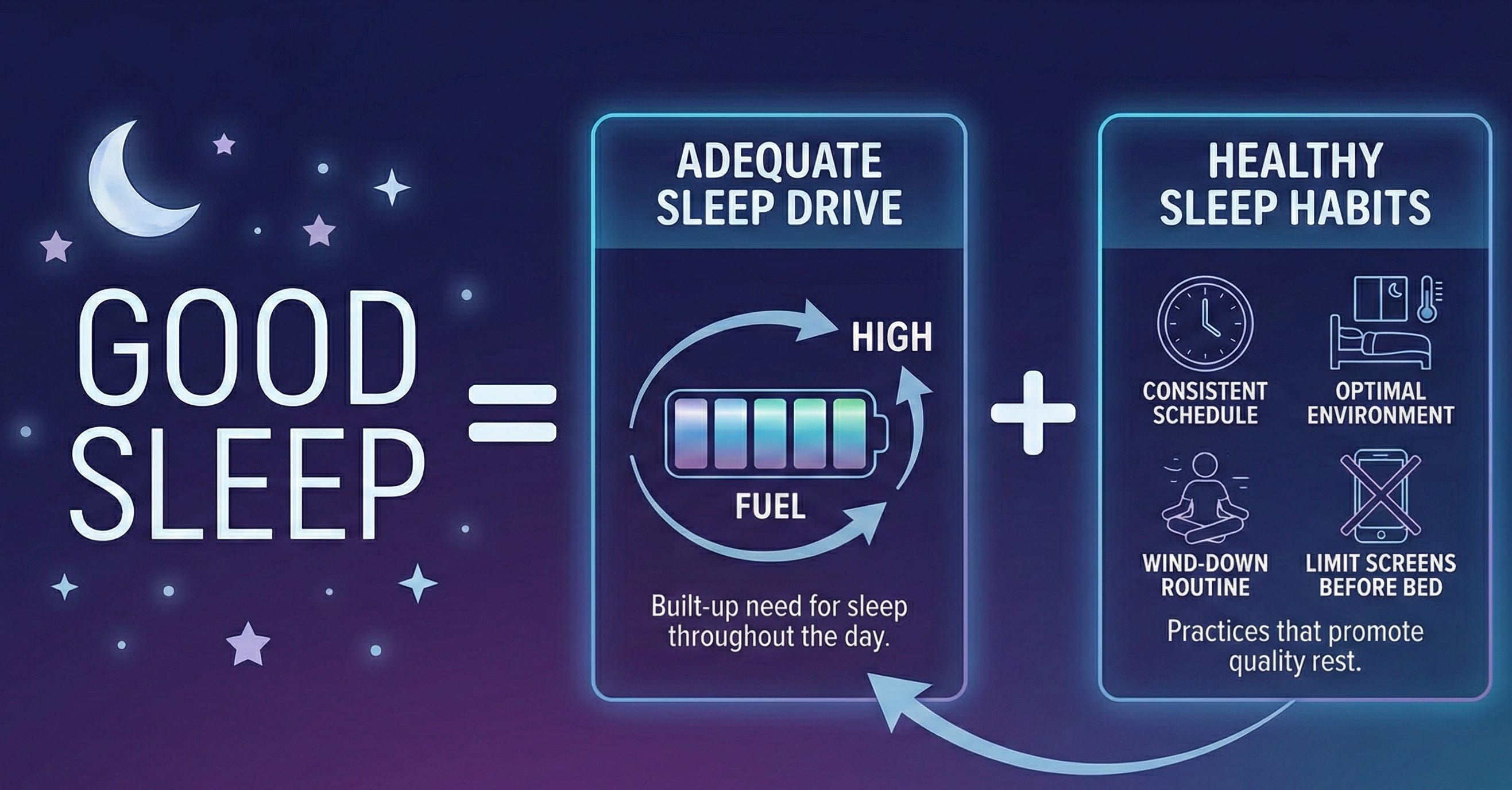
Create a consistent wind-down routine. Let your body shift gears. Keep your room on the cooler side. People fall asleep more easily when their core temperature drops.
The way you make it through your daytime is how you fix the middle of the night insomnia.
When the Wake-Up Has a Physiological Cause
You and your clinical team should always rule out health issues that could zap you wide awake:
Acid reflux from late or heavy meals
Sleep apnea
Hot flashes
Chronic pain
Blood sugar spikes and dips
Dealing with brain fog during the day?
Poor or disrupted sleep may be part of the picture, but it isn’t the only thing worth looking at.
I created a free Brain Fog Reset Guide to help you look at patterns in your sleep, nutrition, stress, energy, and daily routine and identify what may deserve your attention first.
The Counter-Intuitive Trick
Paradoxical intention means giving yourself permission to stay awake. It sounds backwards, but it removes the pressure. In fact, I sometimes get up and make myself coffee and let myself do whatever my guilty pleasure is (YouTube videos.)
When you stop trying to fall asleep, you relax the nervous system and sleep often returns on its own.
Try to imagine right now what it would be like if there was nothing wrong with you being wide awake in the middle of the night. And what if you could still perform perfectly fine the next day.
In Summary
Don’t fight with your mind in the middle of the night. Don’t force anything - do the opposite by welcoming being awake. Your goal is to remove any negative associations and create the right conditions to fade back to sleep.
Normalizing middle of the night awakenings may seem counterintuitive but it cures the biggest hurdle, which is the stress response to being awake.
If this is something you deal with often, I walk people through these steps in my health coaching program.
Mini FAQ
I’ve already tried this but I still wake up and it’s driving me crazy!
What do you think is the source of the frustration you feel with this insomnia?
What about my meds, like melatonin?
Hormones are really complex. If it’s helping you, continue using it. If you’re waking up in the middle of the night, it’s best to stop taking sleep aids.
What books do you recommend?
I recommend Hello Sleep which is one of the books in my Dr. Ashori Book Club.
But I’m awake middle of the night and I KNOW how much I’m gonna sludge through the next day.
But you’ve had days with perfect sleep when you’ve sludged. And you’ve had sleepless nights and still performed well or had your day get cancelled for another reason. I’m just saying it’s possible the next day might be okay.
The information in this podcast is for general education. It is not medical advice. Listening does not create a patient–doctor relationship with me. I care about each listener and want you to receive care that fits your life and medical needs. Always speak with your own licensed clinician before starting, stopping, or changing any health plan, medication, or routine.
Such an important topic, certainly to me! Some good advice, touching on CBTi without getting too deep into it.