


$300-500 per month for the next 2 decades for long-term care insurance, in hopes of covering the cost of nursing home care in your later years.
The financial cost aside, everyone agrees that it’s best to avoid ending up in a nursing home.
Imagine, you're 84, still living in your own home, cooking your meals, and enjoying time with loved ones. It's not just luck, though genetics certainly factor in.
It’s also about choices made decades earlier. A nursing home, for many, signifies the quintessential sign of losing independence in old age. The 5 biggest drivers of needing a nursing home are:
Frailty
Inability to perform activities of daily living (bathing, grocery shopping…)
Cognitive impairment
Lack of exercise
Poor social network
Welcome to the Physician-Led Health Coaching weekly newsletter. I’m Dr. Ashori, a board-certified physician turned health coach. I help people fix brain fog, fatigue, and stubborn weight before they turn into real disease.
The Purpose of Nursing Homes
Nursing homes don’t have the best reputations, but the reality is that there are many good nursing homes where loving, caring staff take care of those whose independence at home is limited. And while the scary stories make the news, I’ve cared for patients in many facilities where the atmosphere is lively, and patients thrive.
My dad at 80 was admitted to nursing home just a few days ago and he’s doing great. The admission came after a bout of a brain bleed which affected his ability to walk.
The goal of the nursing home is to get him back on his feet and he’ll be discharged and he’ll return to running his business. The nursing home isn’t meant to be a place for him to go and die.
The staff is fantastic, caring, and he’s already nearly 100% back to his baseline.
5 Ways to Prevent Ending up in a Nursing Home
1:10 of us will end up in a nursing home when we become incapable of taking care of ourselves safely at home. The average monthly cost without insurance is usually in the $10,000 range.
The most common reasons for nursing home admission are frailty after a fall, a chronic disease such as COPD, CHF, or Parkinson’s Disease, or dementia. Fortunately, most of these are considered preventable conditions, meaning a nursing home stay may also be preventable.
1. Maintain Physical Fitness
Regular physical activity can reduce functional decline by 30%. Just a 10% reduction is often all that’s needed to prevent a nursing home admission.
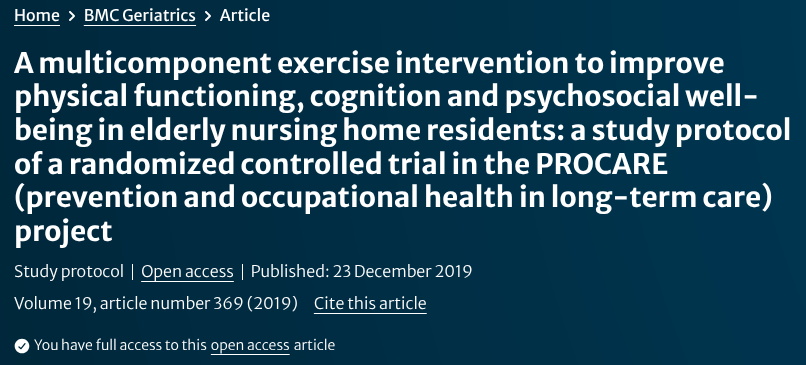
Exercise or any physical activity improves our cardiovascular stamina, muscle strength, balance, and bone strength. This prevents injuries and falls.
A wrist or hip fracture at age 75 is a challenging condition to recover from because you’ll be bedridden and unable to exercise or socialize, which leads to a rapid decline in muscle mass and cognitive abilities.
Actionable: Healthy aging is a beautiful dance of enjoying life while adding a few pennies to the health jar daily. Walking, cycling, exploring nature walks, and some focused training with exercise bands can go a long way toward preventing nursing home admissions.
2. Prioritize Cardiovascular Health
Most cases of dementia can be traced back to poor cardiovascular health. With enough plaque in the arteries of the heart and brain, conditions like vascular dementia, Alzheimer’s, and strokes diminish our physical independence as we age.
Check out this article on preventing dementia:
14 Ways to Prevent Dementia - The Evidence-Based Changes to Make Today

If you have dementia in your family, perhaps you’ve wondered if it’s preventable.
80% of heart disease is preventable. A diet rich in nutrients, less ultraprocessed foods, can support the body’s ability to heal damage to the nerves in the brain and plaque buildup in the arteries.
Actionable: Add more whole foods to your diet and aim for leaner proteins. Learn to identify stress that may lead to unhealthy snacking and try to minimize it. You don’t have to give up your full-moon Twinky.
If this resonated with you, I work with a small number of clients to figure out what’s actually going on behind their symptoms to build a plan that works for them.
If you want help with this:
3. Pay Attention to Cognitive Health
How do we nourish the brain? The first signs of cognitive decline start relatively early, though they are subtle. The goal of healthy aging is to push the eventual decline to frank dementia as far into the future as possible.
1:8 develop dementia, and it’s not a strongly genetic disease, meaning that it’s lifestyle and, therefore, preventable. While it is true that those with higher cognitive baselines tend to have milder dementia symptoms, doing crossword puzzles or playing chess is unlikely to prevent dementia.
Actionable: Focus on staying physically active and socially connected, and don’t give up complex tasks that keep you independent in old age. As we age, we must pay attention to how well we sleep, our mood, and our stress levels and avoid medications or substances that harm our cognitive function.
4. Build Strong Social Bonds
Loneliness is a global issue, as we prioritize productivity and youth over social bonds and quality time with loved ones. If you stay social by having a glass of wine with friends, it’s perhaps better to keep the wine and socialize rather than cut it out.
Our friends, family members, people in the community, and our pets form the social network that helps the central nervous system function properly. From neurotransmitters to hormones, they’re needed for proper cognitive function.
Actionable: Make it a habit to socialize with someone you love daily, paying attention to their needs, noticing your emotions, and appreciating the complex nuances of any interpersonal relationship.
5. Prevent Diabetes & Osteoarthritis
Finally, we have chronic diseases, which make up 20-25% of the causes of nursing home admission. With severe diabetes, organs get damaged, and with osteoarthritis, we lose the ability to move the joints.
Diabetes is strongly preventable, but it’s also easy to acquire in a society where we have a lot of sedentary activities, an abundance of processed foods, and enough stress to fuel a submarine.
Actionable: Aim to maintain a healthy body composition of enough muscle to as little visceral fat as possible. And get enough exercise to prevent the degeneration of a joint. Exercise helps you maintain the function of an arthritic joint, despite what some might think.
Disclaimer:
Dr. Mohammad Ashori is a U.S.-trained family medicine physician. The content shared here is for education and general guidance. It is not personal medical advice, diagnosis, or treatment, and it does not create a doctor-patient relationship. Humans are complicated and your personal details matter. Your healthcare team is your best resource before making medical decisions, changing medications, or managing symptoms. This information is to help you add more depth to those conversations.
Follow me on:
📸 Instagram
▶️ YouTube
📘 Facebook
👽Reddit