



Fluoride? Dental cleaning? Screening X-rays? Hard bristles? Toothpaste type? Let’s dive into everything you need to know to keep your teeth for as long as possible.
Avoid that cavity, root canal, bridge, onlay, inlay, or whatever painful procedure!
Everything here is evidence-based. No AI hallucinations here.
UPDATED: September 15th, 2026
Welcome to the Physician-Led Health Coaching weekly newsletter. I’m Dr. Ashori, a board-certified physician & health coach. I help people fix brain fog, fatigue, and stubborn weight before they turn into real disease.
#1. Your Diet is The Biggest Factor
What is the most effective way to have super healthy teeth? By having a healthy diet.
More sugar, more alcohol, more acidic sodas and you’ll slowly erode the enamel, feed the cariogenic bacteria and create inflammation that can harm your gums.
Even snacking constantly without giving your mouth a break is harmful. In fact, fasting is usually better for your teeth than your metabolism.
#2. Brushing - Even Without a Toothbrush
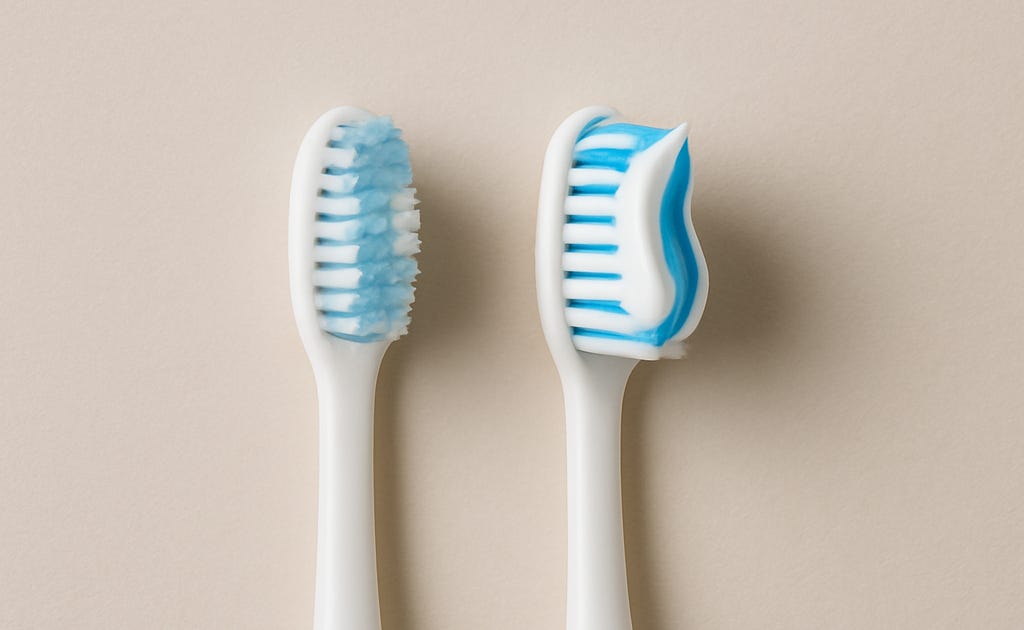
The goal is to disrupt the plaque (we all have it) to allow some oxygen in there and make it less habitable for bacterial like Streptococcus mutans. Even without toothpaste the manual act of brushing helps keep your plaque healthy.
If you’re going to brush, set a timer. 2-3 minutes is good, light pressure (no, seriously!), and soft or medium bristles.
Can hard bristles damage your teeth and gums? Maybe, if you have a tiger grip on your toothbrush.
#3. Flossing or Waterpicking
Is it dangerous if you don’t floss every day? Unlikely, unless your diet is bad, in which case flossing more frequently may even be a good idea.
If you’ve had a lot of dental work done in the past or have the kind of dental anatomy where food collects easily, your dentist might even recommend more frequent flossing and/or a water pick.
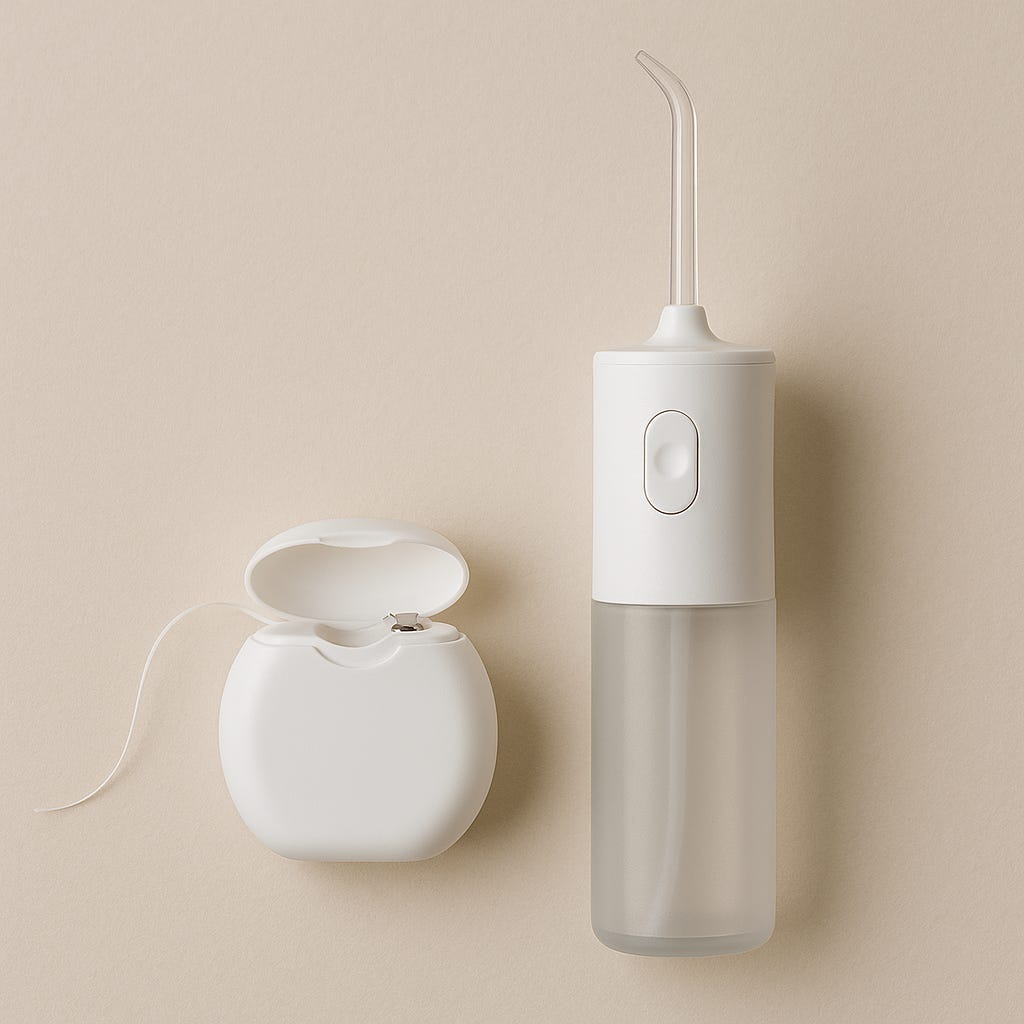
Do you pull out a head of broccoli or a rib eye with your floss? Then you probably should floss regularly.
For me, it’s one of those things that if I don’t floss every night I’ll lose the habit. So I do it daily. I don’t use a waterpik but would consider if the gaps between my teeth change with age.
Are you on track to maintain your health?
Get your Healthy Aging Score to see how you stack up in < 3 min.
Find out which area is holding you back and what to do next.
#4. Toothpaste Options
I’m not giving medical advice, I’m just a family medicine physician who believes in prevention over treatment and who wants to keep his teeth as long as possible.
When it comes to your oral health, toothpaste is the least important factor of all.
Fluoride, fluoride-free, toothpaste tablets, powders, baking soda, salt, or whatever else that’s out there, they are all incredibly safe and can help the bristles get a little deeper into the plaque if your brushing duration and technique isn’t the best.
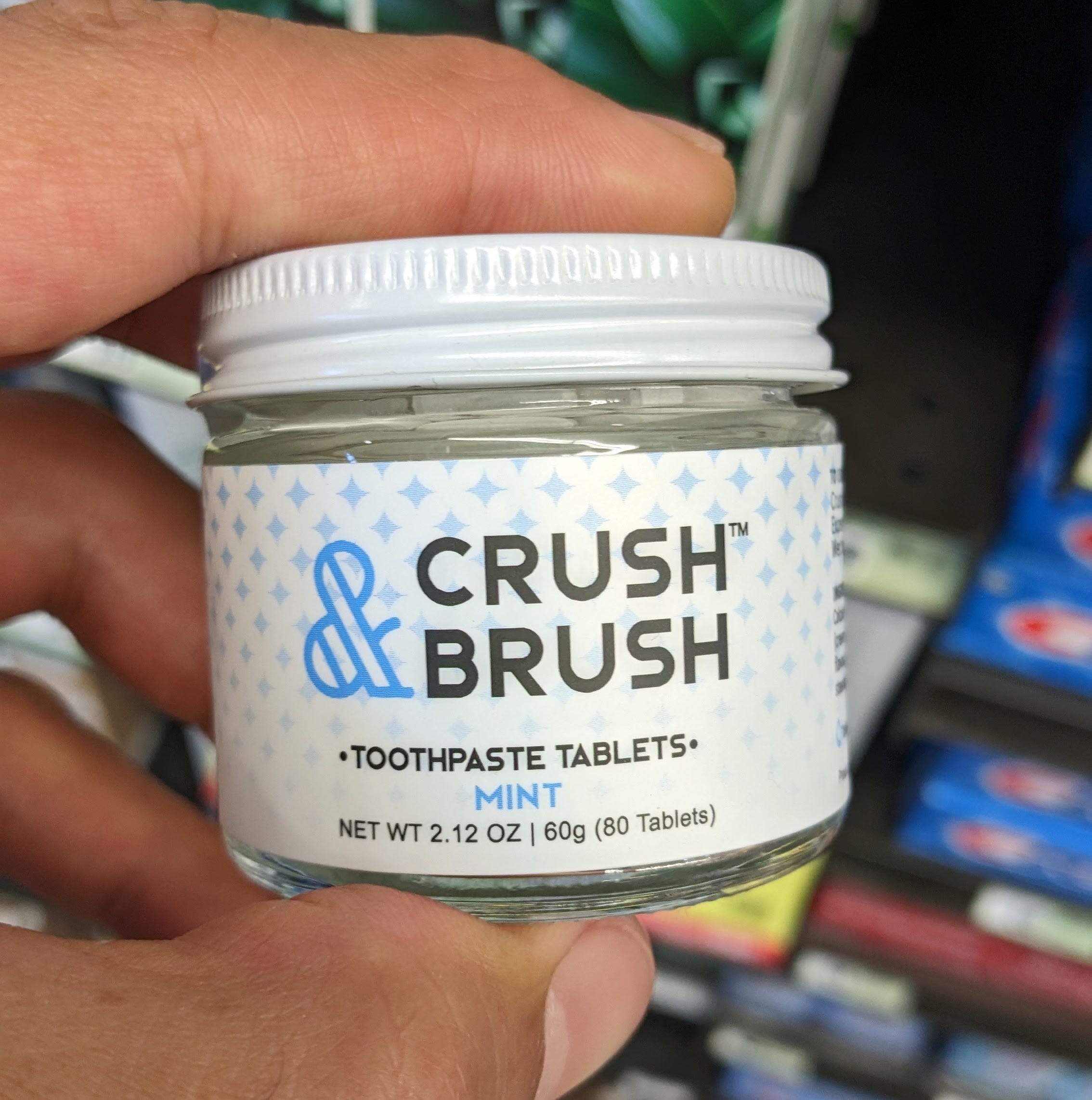
If you use something that’s more abrasive such as powders or clay type material, you should have a good brushing technique, not starting on the same teeth every time, brushing lightly, and ask your dentist if they notice any excess wear for whatever reason.
6 daily habits that improve energy, sleep, and long-term health:
Download the free guide!
#5. Mouthwash and Mouth Rinses
I wasn’t able to find good studies that were done to my liking to recommend these things. The idea that a liquid “kills 99.9% of harmful bacteria” is a little suspect. How is it able to target the good and not the bad?
If you can’t floss, consider a mouthwash. But I wouldn’t do this routinely.
#6. Dental Cleaning
In the US, hardly anyone will argue with you if you say “everyone needs routine dental cleaning.”
In the rest of the world, people do just fine without routine dental cleaning. Knowing when to get a cleaning is the art of dental medicine.
There are definitely groups of people who would greatly benefit from dental cleaning. I hope by now it’s clear that I’m not talking about the average person but someone who is proactive about their dental health.
Struggling with Brain Fog? Consider enrolling in my Brain Fog Reset program.
#7. Dental X-rays & CTs
In high-risk people routine x-rays and CTs do find more cavities, though the data is unclear if that also means fewer tooth suicides/homicides because of these discovered cavities.
In other countries where people still have most of their teeth, routine x-rays don’t exist.
#8. Xylitol Chewing Gum
If diet is #1, brushing #2, flossing #3, then xylitol gum is #18.
If it doesn’t give you gas, chew it. Some people already grind their teeth at night or have bruxism, so chewing more during the day might make their TMJ pain act up.
Dental Myths Worth Busting…
1. Dirty toothbrush: I have never treated someone in the urgent care or in my private practice who had some infection from a contaminated toothbrush. I understand the fear, but it’s not substantiated.
2. Brushing immediately after meals: If you’re not having something very sugary or acidic and want to get your brushing out of the way, do it. But, it’s always best to wait 30-45 minutes because the enamel gets a little delicate after certain types of food.
3. Oil pulling: It won’t help much with oral health but if you’re doing it for other reasons, chance of harm is low. But it will throw off your oral flora.
4. Brush BEFORE breakfast: Don’t like brushing until after your coffee or breakfast? Don’t. As long as you brush, you’re good.
5. Brush 4x per day: You should brush based on your individual risk factors. Eat healthy? Don’t get a lot of plaque? You don’t need to brush that often.
6. Swap toothbrush every 3 months: Not only does nobody follow this but as long as the bristles seem fairly straight and aren’t bowing excessively, it’s unlikely that you’ll prevent many more cavities from this action.
7. Regular dental visits are a waste: Having a fantastic, open-minded dentist who can help assess your risk is critical. They can assess your bite, catch things early, give you flossing tips, and help identify concerning signs in your oral cavity.
Disclaimer:
Dr. Mohammad Ashori is a U.S.-trained family medicine physician. The content shared here is for education and general guidance. It is not personal medical advice, diagnosis, or treatment, and it does not create a doctor-patient relationship. Humans are complicated and your personal details matter. Your healthcare team is your best resource before making medical decisions, changing medications, or managing symptoms. This information is to help you add more depth to those conversations.
Follow me on:
📸 Instagram
▶️ YouTube
📘 Facebook
👽Reddit
Another big help: genetics. I'm 73, never had a cavity, have only seen a dentist a handful of times in my enture life. All my teeth, some crooked abd poorly spaced, all intact and formly rooted. I do not floss or even necessarily brush every day. Every dentist I have seen has issued dure warnings and tried to schedule me for regular appointments.
Sorry, treat every 3 month dental cleanings as a must. Motivational, preventative, and way cheaper annually than a single hair appointment.