


Welcome to the Healthy Aging Newsletter, a free publication translating trustworthy medical research into simple habits to age well, free of chronic disease. I’m Dr. Ashori, a family medicine doctor turned health coach.

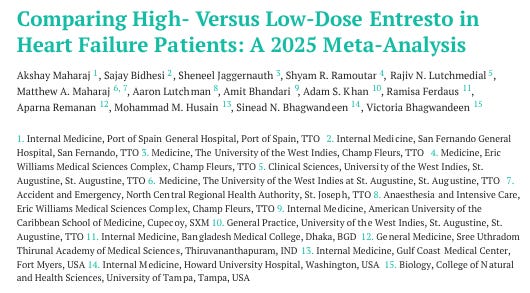
1. Newer is not always better
Several “next-gen” drugs showed only slight benefits, higher costs, or new side effects.
Example: Newer heart failure drugs such as Entresto look great on paper but don’t prove better compared to the old, cheaper, and effective standbys.
What to do: Don’t switch meds prematurely. Partner up with a physician who doesn’t just follow headlines but truly reviews relevant medication research.
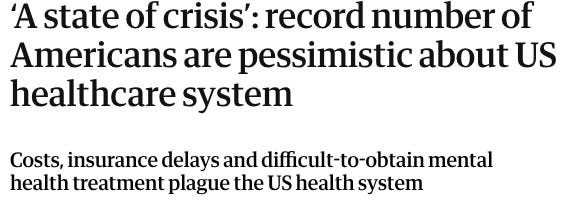
2. Personalized care became political
Vaccines, hormones, weight-loss meds, and screening options became political choices instead of evidence-based patient choices.
Example: I don’t think I need to cite anything here. What’s most important that individual patient discussions be respected in the privacy of the patient-doctor appointment.
What to do: Turn off the news and take your health conversations to your doctor. Have a few healthy back and forth discussions. You’ll both learn something. The truth is rarely sexy or extreme in medicine.
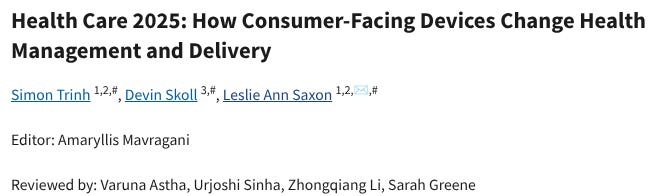
3. More testing didn’t mean better health
Growth in advanced imaging, labs, and wearables definitely came up with more “findings,” but not better health outcomes.
Example: AI-based imaging analytics may catch a few more findings but at a huge cost to the patient and the healthcare system. Incidental findings also increased.
What to do: Only perform a test if you know the result will mean a change in your care.
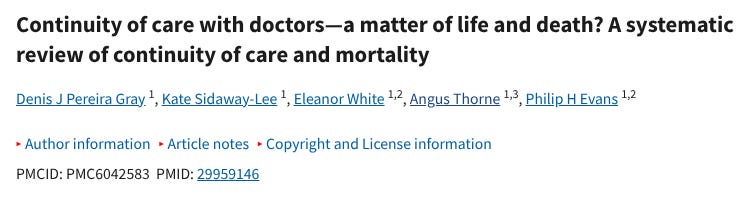
4. Time stood out as the most powerful intervention
Longer visits, continuity, and follow-up mattered much more than yet another test or prescription.
Example: Patients who had more time with their clinicians felt more heard followed through on their plans better.
What to do: Find a doctor who can offer you more time instead of more tests and meds. Doctors with smaller patient panels are out there and growing quickly.
5. Metabolic health dominated other factors
Fatigue, joint pain, brain fog, sleep problems, and hormone complaints can often be traced back to insulin resistance.
Example: The best lipid-lowering medications may not be effective if the patient’s underlying metabolic syndrome isn’t addressed.
What to do: Know your metabolic markers and set out to correct it before you get too much in the weeds of any single health problem.

6. Weight loss drugs really work, and sometimes don’t
GLP1s helped many people lose weight and regain their faith in clinical medicine.
But such drugs didn’t replace sleep, fiber, lean protein, resistance training, or long-term behavioral changes.
Example: When used alone, GLP1s improved the numbers on a scale but didn’t address the underlying issues enough to have a meaningful health impact.
What to do: Your body doesn’t care about the number on a scale. Make sure you address your overall health upstream.

7. Lifestyle interventions remained underrated
Exercise, sleep, mindfulness, and nutrition continued to outperform many medications for long-term risk reduction.
Because of ever-shorter appointment times, these still received the least attention in typical medical visits.
Example: Sleep and anxiety medications lost their efficacy quickly with ongoing use. Only when habit changes were encouraged did patients see truly life-changing effects.
What to do: Start a lifestyle routine where you try to improve these aspects of your life by 1% each day: sleep, stress, social connections, nutrition, and movement.

8. Overmedicalization caused more harm
More people were captured under new diagnostic guidelines as “sick” without really considering their individual needs.
Example: Borderline PSA tests and lipid numbers led to a lot of unnecessary testing such as prostate biopsies and CACs, but not change in actual health outcomes.
What to do: Focus less on a diagnosis and more on the actions and interventions necessary to make you feel better.
9. Gap between guidelines and real life widened
Guidelines continued to be completely disconnected with what patients are actually dealing with. More testing, more meds, and more screening aren’t sustainable for most people.
What to do: Following guidelines is the least effective way to achieve good health. An individualized approach is a more time-consuming but more effective option.
10. Trust mattered more than credentials
Many non-medical health gurus were born in 2025 because they seem to care and listen and address the real pain points patients have.
Example: Extreme carb restriction, unnecessary hormone replacement, and strict CGM tracking led to little overall health benefits but empowered the patient to feel like they are in the driver’s seat again.
What to do: Find a doctor who has time for you and matches your personality. Too soft and you’ll ignore them. Too rough and you’ll disconnect.
11. Burnout continued to affect doctors and patients
Burnout remained a system-problem and not because doctors are greedy, patients too demanding, or money is tight.
Example: Physicians who stepped outside of volume-based care practiced better medicine, had more autonomy, and had higher patient engagement.
What to do: The kind of medical practice that burns out your doctor is by definition bad for you and your doctor. Lots of alternatives available. Ask around.
12. Prevention was talked about but not practiced
Undoubtedly, everyone agreed that prevention matters. But very few systems paid for it properly and only a minority of patients felt engaged enough to do it.
Example: Prevention “appointments” were limited to a cookie-cutter checklist. No deep discussions, and not actionable lifestyle changes.
What to do: Prevention is like going around with a duster and dusting your house. No technology exists yet that can replace it. Get your duster out and take 1 step daily towards prevention.
Disclaimer:
Dr. Mohammad Ashori is a U.S.-trained family medicine physician turned health coach. The content shared here is for education and general guidance only. It is not personal medical advice, diagnosis, or treatment, and it does not create a doctor–patient relationship. Humans are complicated and context matters. Always talk with your own healthcare team before making medical decisions, changing medications, or ignoring symptoms. This information is to help you add more depth to those conversations.