


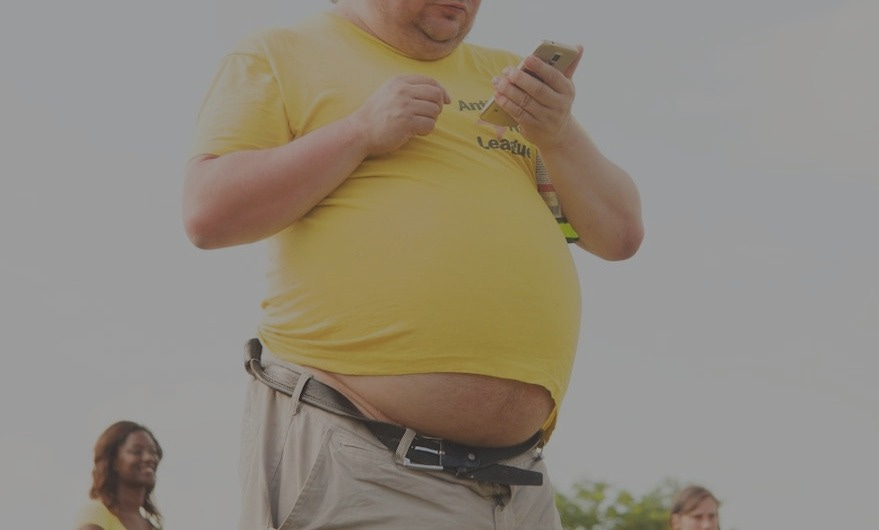
Over 1 in 3 adults have excess abdominal fat despite a good diet and exercise routine.
It’s almost never as simple as calories or going vegan or keto.
The way your body manages its hormones is unique to you. Stress, sleep, and blood sugars are a few signals we can use to troubleshoot stubborn belly fat but it’s still not the whole story.
Welcome to the Physician-Led Health Coaching weekly newsletter. I’m Dr. Ashori, a board-certified physician turned health coach. I help people fix brain fog, fatigue, and stubborn weight before they turn into real disease.
Q: Why is all my fat going to my stomach?
Fat deposit happens when you have excess calories coming than what you’re burning.
But even if your calorie balance is neutral, your body can take subcutaneous fat and deposit it around the belly and organs. Aka, visceral fat.
Late night eating, stress, and skipping meals can send ghrelin, insulin, and cortisol swinging wildly. This is how undesirable fat redistribution happens.
Q: Why am I not losing belly fat even when I eat healthy?
“Healthy” is a broad term. What your body needs isn’t always what you or your doctor might consider healthy.
One of my patients was convinced that his vegan diet was the healthiest diet he’s ever had. But his liver, DEXA scan, and inflammatory markers told a very different story.
Snacking on high-carb or calorie-dense foods and winging it on weekends is all it takes to signal weight retention in the belly area.
You don’t have to be perfect, but you have to have a balance. The more you build in reserves, the more cheat days you can enjoy.
Q: Could belly fat just be hormonal?
Hormones play a major role in where your body stores fat.
Insulin, cortisol, and sex hormones all influence whether fat is stored under the skin or deeper, around the organs.
But hormones alone aren’t enough to cause stubborn belly fat.
When insulin stays elevated from frequent eating or excess carbs, your body is more likely to store fat rather than burn it. That’s why patients with type 2 Diabetes usually develop rapid fat gain once they start insulin.
You Might Be Aging Faster Than You Think
Do you know Your Healthy Aging Score?
Find out which area is holding you back and what to do next.
Q: Can stress alone cause belly fat?
Stress doesn’t directly add calories. But how your body deals with excess calories affects where the fat ends up.
When stress is high, cortisol rises, as does insulin. This shifts your body toward storing fat, especially in the abdominal area.
The same stress also drives behaviors like snacking, poor sleep, and less movement, which all compound the issue.
For those dealing with a lot of stress or a schedule that’s completely out of their hand, we design a custom nutrition and activity plan that’s sustainable and fights off belly fat.
Q: I sleep enough so no way that’s an issue with my big belly, right?
Being in bed for 8 hours isn’t the same as getting 8 hours of sleep. The body needs a combo of light + deep sleep to balance out hormones, curb hunger, and recover our tissues.
Disrupted sleep increased hunger hormones like ghrelin, and satiety signals decrease. This makes it easier to overeat without realizing it.
It takes just 1 night of bad sleep for your body to deposit a lot more fat even if you eat the same calories as before. That’s because your insulin levels will be much higher that day.
Q: What’s the best exercise to melt away my belly fat?
There isn’t one specific exercise that targets belly fat. A better way to think about it is figuring out how your body best burns fat.
It’s not gonna be the same as my body’s.
Consistent movement, especially walking and lower-intensity cardio, helps your body burn fat more efficiently. The magical “zone 2” training zone is incredibly effective at fat burning.
If you are drastically undermuscled, some strength training will lower your average blood sugar, making belly fat loss much easier.
The least effective exercise is high intensity exercise. At least, for most of us.
Q: I read that the calorie theory of fat loss has been debunked.

6 daily habits that improve energy, sleep, and long-term health:
Download the free guide!
Calorie balance is one of the most important drivers of losing belly fat. But it’s not the only thing.
2 people can eat the same number of calories and have very different results depending on sleep, chewing, stress, activity levels and food quality.
Highly processed foods almost always mean that you’ll eat more calories during the day. That’s because they raise your hunger cues.
Meal timing, food composition, and consistency all influence how your body stores or burns energy.
Q: I eat perfectly, exercise, sleep well, and have no stress, so why can't I lose belly fat?
Bloating is not the same as belly fat. But if you are dealing with belly fat, it’s one of these 4 factors that need adjustment:
nutrition
activity levels
sleep
stress
Even as testosterone and estrogen drops in men and women with age, it takes one of the factors above to maintain or gain belly fat.
It’s not about having a perfect lifestyle. Even the perfect lifestyle could be hurting you. It’s about having the right diet, activity level, sleep, and stress-coping mechanisms to help you achieve your ideal body composition goals.
Q: How can I tell whether it’s belly fat or visceral fat?
The most scientific way is to get an MRI or DEXA body composition test. But a tape measure is just as effective. If your Waist-to-Height Ratio is above goal, you likely have excess belly fat in form of visceral fat.
If this resonated with you, I work with a small number of clients to figure out what’s actually going on behind their symptoms to build a plan that works for them.
If you want help with this:
Q: Which is better, exercise or diet?
There’s no one-size-fits-all approach. I’ve had patients who didn’t see any change with exercise and some who saw no change with diet.
You need a competent clinician who can review your lifestyle and identify which factors are likely contributing to the stubborn belly fat.
Then you create a 3-month plan and see which strategy is the most effective.
If I had to pick one, I’d pick diet over exercise. Few of us can exercise at the right (low) capacity level long enough to see meaningful fat loss.
Q: How quickly can I expect to see results?
Improving your health is a marathon, not a sprint.
Visceral fat around the belly can be lost but the tissue may remain puffy for some time. It takes on average 3 months of a consistent plan to see real changes.
I always remind my patients that if they are doing the right things for their health, the benefits are inevitable.
Q: Do weight loss supplements and drugs work?
Yes, but usually with many side effects.
Supplements may increase your metabolism or decrease your appetite.
Prescription medications usually will curb your appetite. This may result in belly fat loss but if you’re not eating a healthy diet, you’ll trade one health problem for another.
Q: I’ve had a big belly for 30 years, is it too late?
My dad had a big belly from age 38 until 68. Then he decided to curb his white rice, eggs, cheese, and butter. He lost all his belly fat in under a year.
He’s also maintained it for the past decade.
Disclaimer:
Dr. Mohammad Ashori is a U.S.-trained family medicine physician. The content shared here is for education and general guidance. It is not personal medical advice, diagnosis, or treatment, and it does not create a doctor-patient relationship. Humans are complicated and your personal details matter. Your healthcare team is your best resource before making medical decisions, changing medications, or managing symptoms. This information is to help you add more depth to those conversations.
Follow me on:
📸 Instagram
▶️ YouTube
📘 Facebook
👽Reddit
The fat around my belly happened after breast cancer and the total elimination of estrogen. How can I overcome this?