



These popular incretin drugs certainly aren’t merely cosmetic weight-loss drugs but they also have no evidence to reverse heart disease, cure diabetes, prevent dementia, or even suppress inflammation.
Large trials certainly show that these drugs reduce major cardiovascular events, kidney disease, prevent worsening heart failure, and delay diabetes progression. But this is what we call the total treatment effect which may be due to the weight loss, the improved blood glucose, lowering of the visceral fat, and blood pressure.
Welcome to the Physician-Led Health Coaching weekly newsletter. I’m Dr. Ashori, a board-certified physician & health coach. I help people fix brain fog, fatigue, and stubborn weight before they turn into real disease.
“Reversing Heart Disease”
Unsupported. No large definitive randomized human trial as demonstrated reversal of atherosclerosis. These drugs can reduce events in high-risk groups but the same can be said about exercise, diet, and nutrition changes.
Everyone mentions the SELECT trial (semaglutide) but this was done in a cohort with established cardiovascular disease. And cardiovascular death was not significantly reduced.
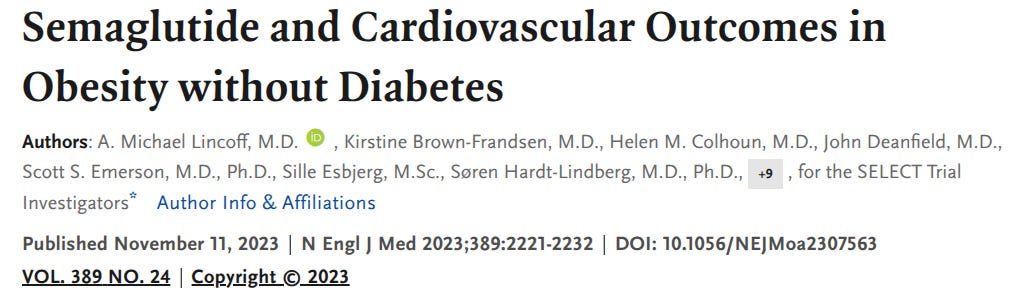
There were lots of other problems with the SELECT trial such as inadequate cardiovascular therapy of participants. Had their blood pressure and LDL-C been adequately controlled, would we still see a 1.5% drop in cardiovascular disease rates?
Instead of trying to reverse heart disease, the biggest wins come from preventing its progression. Control blood pressure, improve cardiorespiratory fitness, and lose excess weight.
“They Reverse Heart Failure”
Equivocal. Symptoms and morbidity improved in obesity-related HFpEF but we didn’t see a mortality benefit.
The SUMMIT trial (small) used tirzepatide vs placebo showed fewer heart failure events in those with HFpEF. But the LIVE trial, liraglutide did not improve ejection fraction and cardiac deaths were more frequent. In FIGHT trial we didn’t see any improvement in symptoms in those hospitalized for HFrEF.
When it comes to heart failure, drugs are incredibly important. Just as important are exercise, blood pressure, and good quality sleep.
“Reverses Diabetes”
Unsupported. When you take glucose lowering drugs it lowers your diagnostic criteria for diabetes. This isn’t so much reversal of the disease as disease management.
An international consensus defines type 2 diabetes remission as A1C below 6.5% for at least 3 months without taking glucose-lowering medication. A person with a normal A1C while taking semaglutide or tirzepatide has controlled diabetes, but is not in remission.
To improve your diabetes the goal is to lose visceral fat, improve your fasting HOMA-IR, and put on enough muscle to counteract the high glucose.
“Reverses Kidney Disease”
Unproven. There’s no evidence to show that by taking a GLP you will reverse kidney disease or even halt it.
The FLOW trial is a frequently cited study in adults with type 2 diabetes and CKD who took semaglutide or placebo. Again, we know that if we improve blood sugar numbers and blood pressure we can slow down kidney disease. But does an incretin have other means of achieving the same?
If you have or are at risk for kidney disease: improve your blood pressure, exercise, and keep an ideal blood sugar.
“Prevents dementia”
Unproven. Some cognitive signals in diabetes trials were observed but two large phase 3 Alzheimer trials failed to show benefit in early Alzheimer’s.
In the EVOKE trials semaglutide vs placebo did not show slower clinical decline. We have no other data to show that these medications will prevent dementia in otherwise healthy adults.
Want to prevent dementia? We know 14 evidence-based ways of living that show a decreased risk of dementia.
“Increases Longevity or Slows Aging”
Unsupported. Some studies showed fewer deaths but that’s related to disease management. No human trial has been done that shows decreased aging or longer lifespan in healthy people.
I’ll add that this would be a very tough one to prove even if that was the intention. If you goal is longer life, I have no data or evidence to offer you. Which is why I’m not a longevity doctor.
The only way I can help someone not die prematurely is by helping them prevent preventable diseases. Might sound obvious but only 50% of adults on this track.
Whether you’re dealing with inflammation or metabolic issues, the liver is at the heart of it. Worried about fatty liver disease? Download my free Liver Fix Guide here:
“Lowers Inflammation”
Unsupported. Semaglutide usage was associated with a lower hsCRP but we also know that weight loss and improved diets do the same.
So the question is whether direct, weight-independent anti-inflammatory clinical benefit can be proven. Not yet. The CRP reduction we noticed in some trials correlated closely to weight changes.
Want to lower your hsCRP? Consider improving your body composition. Improve your diet and avoid excess calories.
“Treats Addiction”
Unsupported. There are phase 2 trials underway that are showing some decrease alcohol usage but that’s not the same thing as “it treats alcohol use disorder.” We have no studies that show a decrease in gambling, smoking, shopping, and opioid use disorder.
We’ve all been incredibly excited about phase 2 trials just to be let down by the final outcome. We can remain hopefully but we don’t have any evidence yet to hang our hats on.
Addiction is too broad to address here. But a holistic approach seems to be the most successful. It’s important to address emotional, mental, and physical aspects.
Disclaimer:
Dr. Mohammad Ashori is a U.S.-trained family medicine physician. The content shared here is for education and general guidance. It is not personal medical advice, diagnosis, or treatment, and it does not create a doctor-patient relationship. Humans are complicated and your personal details matter. Your healthcare team is your best resource before making medical decisions, changing medications, or managing symptoms. This information is to help you add more depth to those conversations.
Follow me on:
📸 Instagram
▶️ YouTube
📘 Facebook
👽Reddit