


Welcome to the Physician-Led Health Coaching weekly newsletter. I’m Dr. Ashori, a board-certified physician turned health coach. I help people fix brain fog, fatigue, and stubborn weight before they turn into real disease.
TL;DR
Omega-3 supplements rarely deliver the benefits people hope.
Most would get more risk reduction from non-supplement options.
Baseline risk matters more than supplement choice.
Food, movement, sleep, and metabolic health outperform fish oil in most cases.
Omega-3’s Fame
Inside the human body, omega-3 fatty acids (EPA and DHA) have major roles in inflammation, cellular health, and lipid management.
Perhaps the biggest reason for its lasting success is that early observational studies showed that populations eating more fish had lower rates of heart disease.
Without any rigorous studies, the supplement industry ran with:
“Omega-3s protect your heart, your brain, and your joints.”
Where the Evidence Actually Lands
What I’ve heard from my patients is that they often take fish oil or other omega-3 supplements for these main reasons:
Cardiovascular health
Inflammation & joint pain
Mood and mental health
Neurocognitive protection
Let’s dive deep into the literature and see which of these hold up and which are supplement industry marketing.
6 daily habits that improve energy, sleep, and long-term health:
Download the free guide!
#1. Cardiovascular Disease Prevention
Claim: “Omega-3 supplements reduce heart attacks and strokes.”
What the evidence shows:
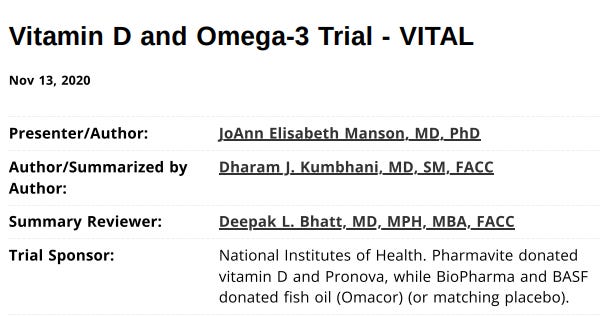
Large randomized trials in mostly healthy or well-managed patients show little to no reduction in major cardiovascular events.
Any benefit appears small, inconsistent, and often limited to very specific subgroups.
High-dose prescription EPA shows some benefit in very high-risk patients, but this may not apply to over-the-counter fish oil.
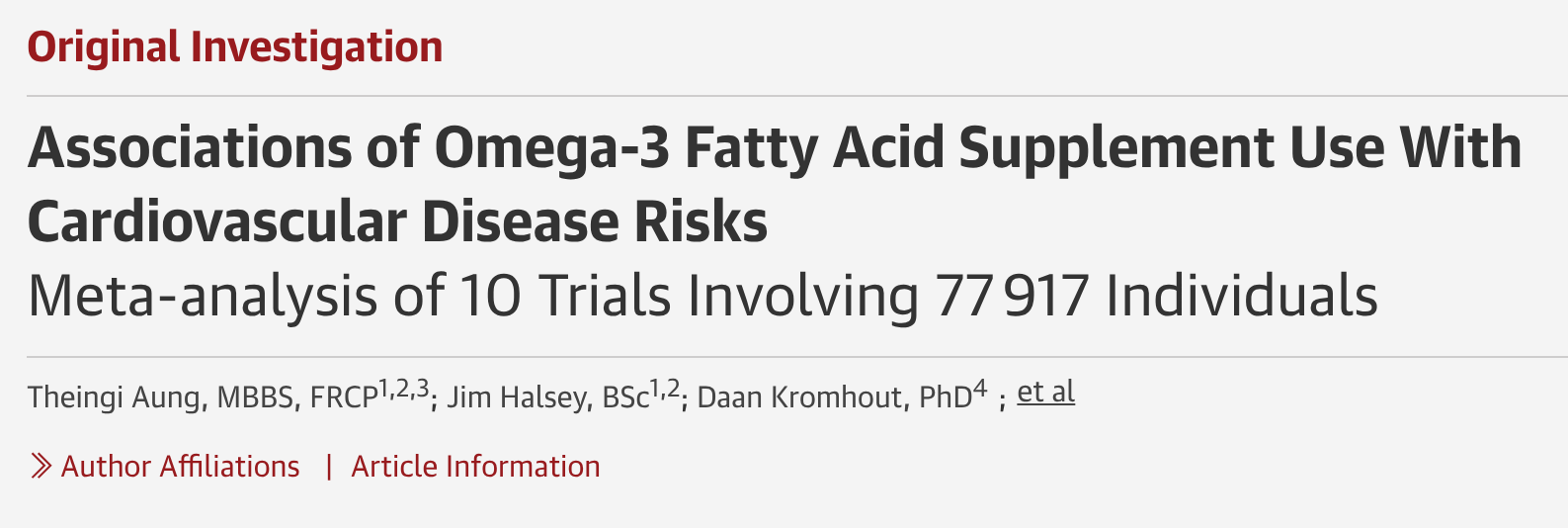
There are multiple other studies like these. The ASCEND trial is another one which was done in patients with diabetes.
Key problem:
Most people considering omega-3 supplements are already at low risk, so even if the supplements were effective, the result would be too small to matter.
Bottom line:
Omega-3 supplements are not a reliable heart-disease prevention strategy for the average person.
3 Alternatives I use in my practice to Lower CVD Risk:
Improve waist size (waist-to-height ratio) and any insulin resistance.
Improve muscle mass if you are undermuscled.
Improve blood pressure.
#2. Inflammation & Joint Pain
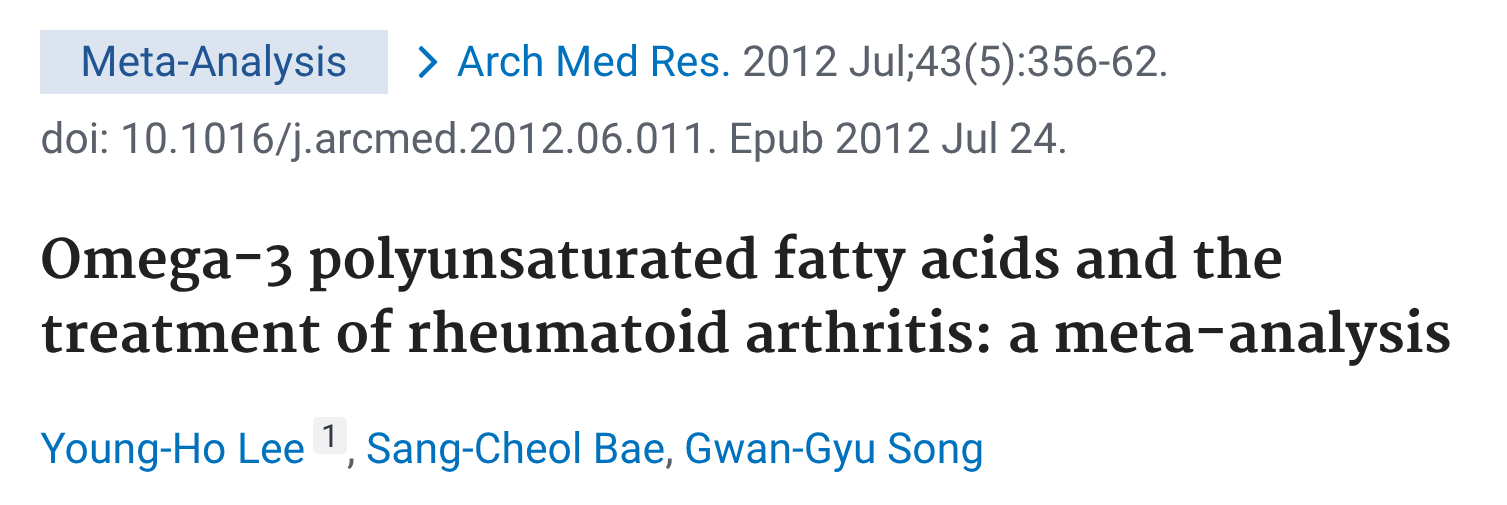
Claim: “Omega-3s reduce inflammation and help arthritis.”
What the evidence shows:
Small reductions in inflammatory markers.
Minimal effect on pain and joint movement.
Effects are too subtle to matter.
Another study of 19,000 adults showed no improvement in chronic pain compared to placebo.
Fish oil supplementation also wasn’t effective for knee osteoarthritis.
Important nuance:
Lowering inflammatory markers doesn’t automatically mean that your health will improves. We don’t want to chase biomarkers.
Bottom line:
Omega-3s may slightly reduce inflammation, but the effect is too small to matter. If you don’t address the root cause of the inflammation, it will only get worse.
3 Alternatives for Inflammation & Joint Health:
Daily movement helps lower inflammatory markers.
Targeted resistance training helps rebuild damaged joints.
Sleep consistency and stress reduction reduce HS-CRP.
#3. Brain Health & Neurodegeneration
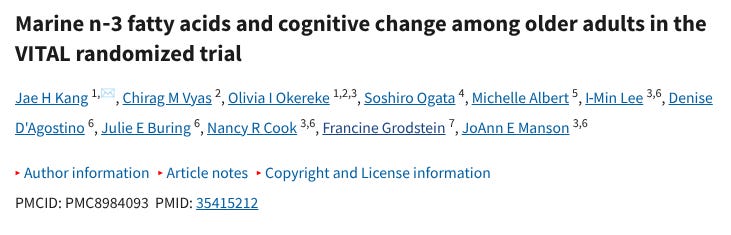
Claim: “Omega-3s protect the brain and prevent dementia.”
Evidence shows:
Some observational links between fish intake and cognition.
Omega-3 supplement trials show little to no cognitive benefit.
Dementia is not prevented or slowed with omega-3.
Why this matters:
Brain health is influenced by sleep, insulin resistance, vascular health, hearing, movement, and social engagement, not a single nutrient. And, of course, genetics.
To prevent dementia, here are real lifestyle changes you can start today.
Bottom line:
Omega-3 supplements have not demonstrated ‘neuroprotection’ in the better clinical trials.
3 Alternatives to improve neurocognition:
Optimize sleep timing and duration.
Improve cardiorespiratory fitness.
Stabilize your blood sugars.
If this resonated with you, I work with a small number of clients to figure out what’s actually going on behind their symptoms to build a plan that works for them.
If you want help with this:
#4. Mood, Depression, and Anxiety
Claim: “Omega-3s improve depression and mental health.”
In research, some depressed patients have been found to have lower omega-3 levels.
Evidence:
Small mood benefit in some studies, but it’s not consistent.
Higher EPA content fish oil was slightly more effective.
Consider:
Omega-3s are sometimes framed as a low-risk “natural antidepressant.”
But that’s not true. Sunlight is a better antidepressant than omega-3 supplements.
Bottom line:
Omega-3s may help a few patients, but they likely won’t outperform proper mental health therapy and social support.
I would consider offering a patient higher EPA omega-3 supplements if they are improving with therapy but don’t quite need a prescription medication.
The Industry Bias Problem
Omega-3 supplements benefit from:
Heavy marketing
“Heart healthy” labeling
Celebrity doctors and wellness figures overexplaining its mechanism
Some clinicians speak positively about omega-3s, often focusing on biological plausibility. But I care about hard endpoints like fewer major heart attacks, strokes, or cancer (a potential cause of excess inflammation).
The Question That Matters Most
“Will this meaningfully change my risk? Is there a more effective alternative I should consider?”
For most people, the answer with omega-3 supplements is that there likely are better options.
When Omega-3 Supplements Might Make Sense
Very low fish intake and
High baseline cardiovascular risk and
Lifestyle options already maxed out
Even then, the results from the supplement would be modest.
The Takeaway
Omega-3 supplements are overpromised but they have their place in a small subset of patients.
My approach to any supplement is to dive deep into the research. Then I identify the existing biases. For each patient I ask, “What will have the biggest impact on their health?” If it’s exercise, then that’s what we’ll focus on. If it’s a supplement, we’ll start with that first.
Disclaimer:
Dr. Mohammad Ashori is a U.S.-trained family medicine physician. The content shared here is for education and general guidance. It is not personal medical advice, diagnosis, or treatment, and it does not create a doctor-patient relationship. Humans are complicated and your personal details matter. Your healthcare team is your best resource before making medical decisions, changing medications, or managing symptoms. This information is to help you add more depth to those conversations.
Follow me on:
📸 Instagram
▶️ YouTube
📘 Facebook
👽Reddit