


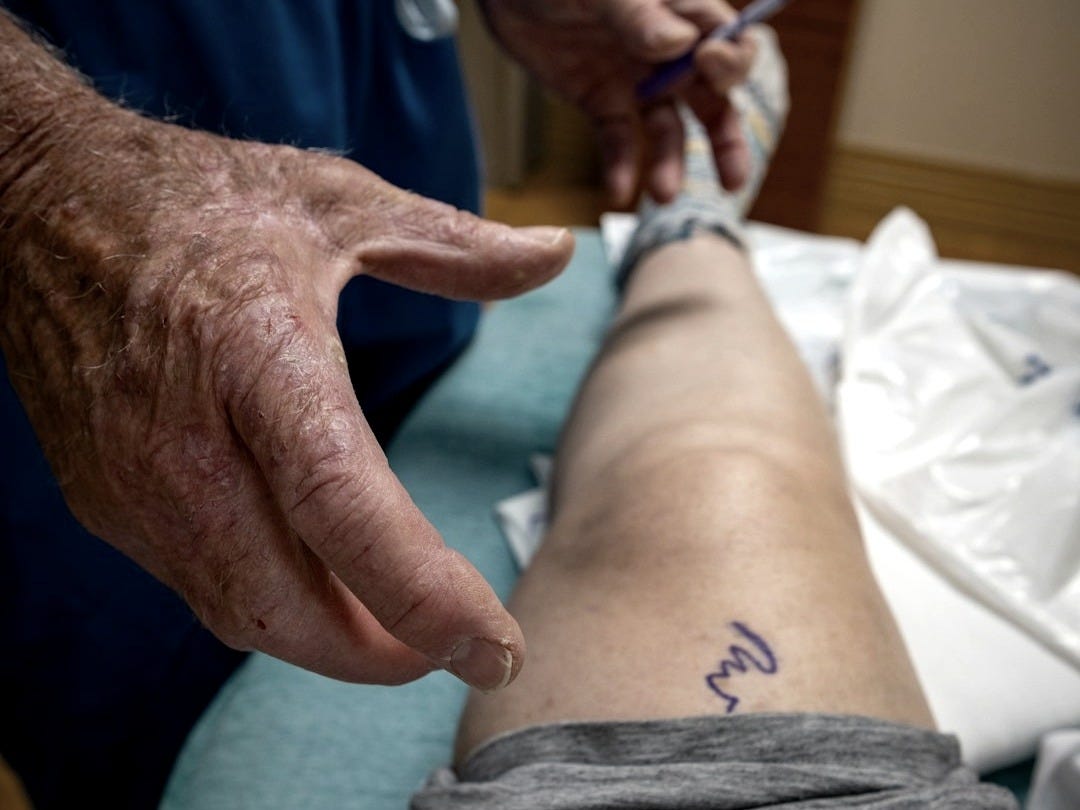
You’ve been dealing with a nagging knee pain for years and the last time you had x-rays your doctor said that you’ll need a knee replacement. The good news is that there’s a lot you can do about the knee pain.
While reversing actual joint damage isn’t as feasible, it’s also not the main goal. We don’t go to the orthopedist because we are worried about the shape of our cartilage, we go there because of pain or decreased mobility.
Welcome to the Physician-Led Health Coaching weekly newsletter. I’m Dr. Ashori, a board-certified physician & health coach. I help people fix brain fog, fatigue, and stubborn weight before they turn into real disease.
1. Offload Mechanical Stress
If you’re carrying extra weight, as little as 10 lbs can take as much as 40 pounds of mechanical force off of your knees. With each step you’ll feel less pain and stiffness, allowing your tissues to get more oxygenations and blood flow.
If you don’t have arthritis yet, a healthy weight will help prevent it. There are some studies to also show that extra weight, especially visceral fat, may increase total body inflammation.
2. Calming Systemic Inflammation
I did a recent blood test on a patient and his inflammatory markers were through the roof. We didn’t expect it but it so happens that he’s been dealing with a lot of arthritis in his knees.
But blood tests aren’t always enough. Even though there are lots of ways to test for inflammation it can still evade most tests. It’s better to think about the kind of lifestyle that naturally decreases inflammation:
Diet rich in plants, fruits, whole grains
Cutting out highly processed sugary foods
Improving your stress and sleep
Whether you’re dealing with inflammation or metabolic issues, the liver is at the heart of it. Worried about fatty liver disease? Download my free Liver Fix Guide here:
3. Protecting the Mechanics of the Joint
The last thing you want to do when you have knee or hip osteoarthritis pain is exercise. But that’s exactly what will reverse the pain, decrease inflammation, and protect the joint from further damage.
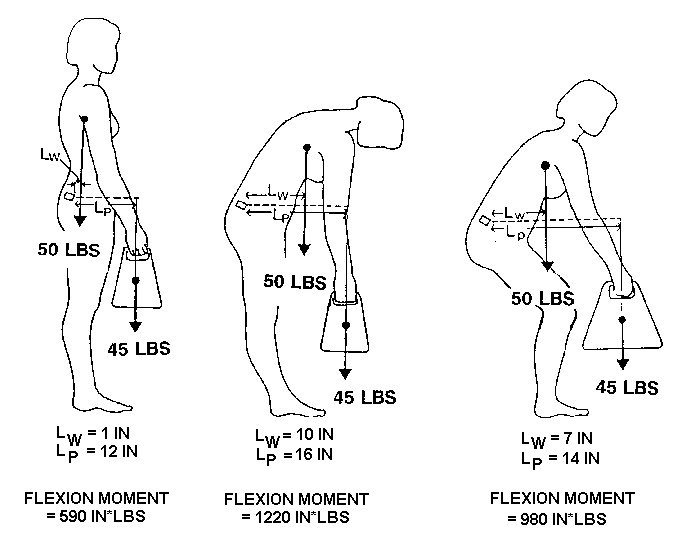
Strengthening the muscles surrounding a joint provides improved shock absorption, stability, and mobility. For the knee arthritis it’s usually the thigh muscles, for the hip it’s the glutes and lower back.
This is the best time to partner with a physical therapist who is an expert in joint biomechanics.
4. Daily Movement
We used to tell adults that running would ruin their knees. Now we know better. Regular physical activity actually helps lubricate joints and prevents muscle loss with age.
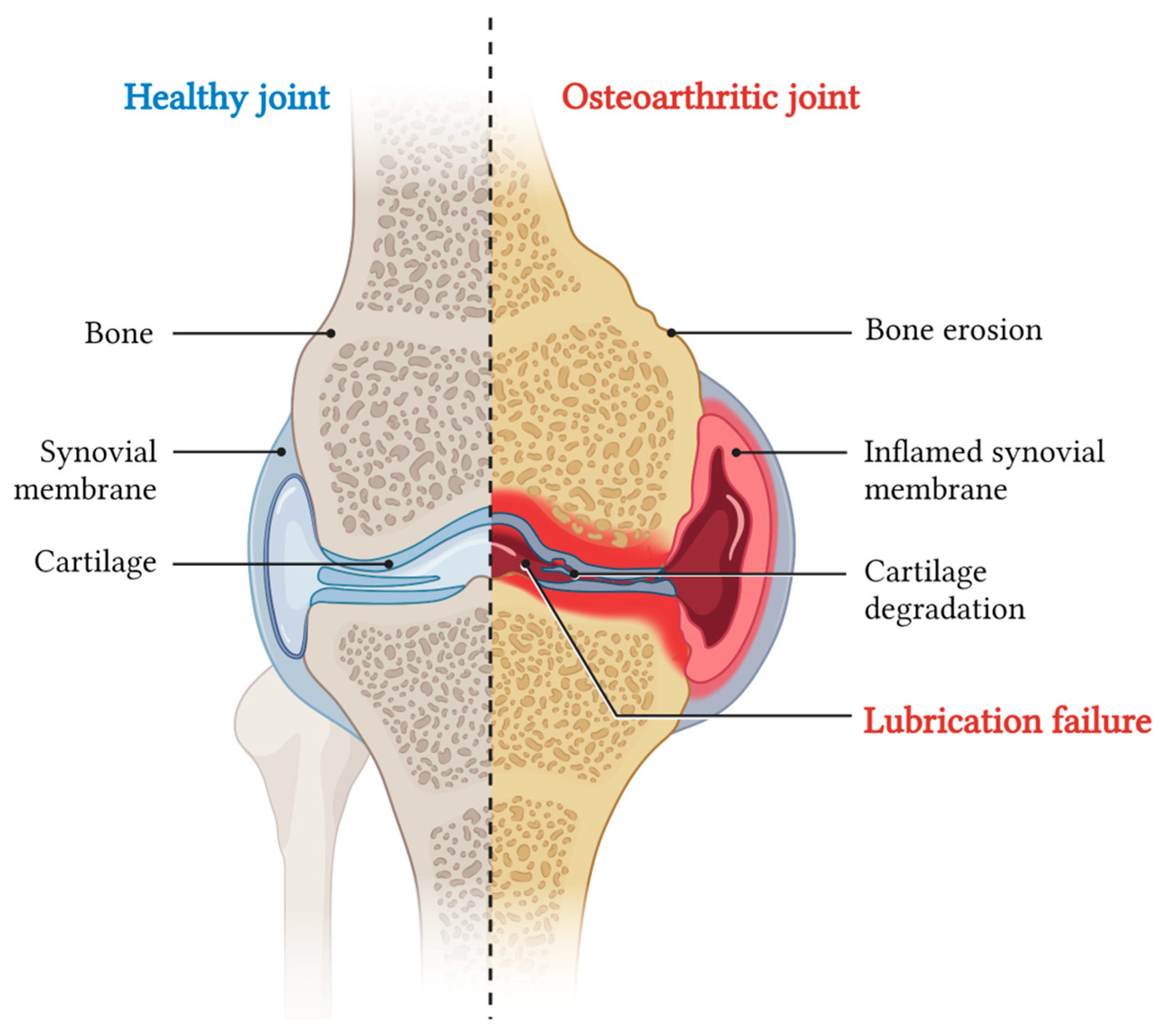
If you stop moving, such as after an injury, you lose muscles at different rates in different parts of the leg. Then when you go to walk again you create immense pressure in certain parts of the joint which may damage the cartilage leading to arthritis.
Frustrated by one-size-fits-all advice? I take on a limited number of 1-on-1 coaching clients to dive deep into your unique health history, identify your physiological triggers, and design a sustainable plan to help you feel your best.
5. It’s Okay to Reach for a Crutch
Sometimes lifestyle treatments aren’t enough and the data clearly shows that some local anti-inflammatories (or systemic ones like ibuprofen) and some walking aids or even joint braces may help.
The goal is to calm a severe flare-up. Once the joint calms down it’s easier to resume normal activities or targeted physical therapy.
Disclaimer:
Dr. Mohammad Ashori is a U.S.-trained family medicine physician. The content shared here is for education and general guidance. It is not personal medical advice, diagnosis, or treatment, and it does not create a doctor-patient relationship. Humans are complicated and your personal details matter. Your healthcare team is your best resource before making medical decisions, changing medications, or managing symptoms. This information is to help you add more depth to those conversations.
Follow me on:
📸 Instagram
▶️ YouTube
📘 Facebook
👽Reddit