


UPDATED: December 4th, 2025
Welcome to the Healthy Aging Newsletter, a free publication translating trustworthy medical research into simple habits to age well, free of chronic disease. I’m Dr. Ashori, a family medicine doctor turned health coach.
Dreading another cold and flu that your kid drags in from the daycare? They are avoidable and the key is a better immune system.
The cold & flu season is here, and while we have medications and vaccines, are you doing everything you can to keep your immune system strong?
Vaccines, masks, and hand washing have their place in the scientific literature and can be incredibly effective in the right setting. Here are 5 ways to help the immune system work much better in your favor.
The 3-Step Process to Get Infected
Step 1: The virus attaches to receptors and gains entry on the surface of cells in the mucous membranes. COVID-19 uses ACE2 receptors, influenza virus uses hemagglutinin, and rhinovirus binds to ICAM1 receptors. This attachment allows the virus to gain entry into the host cell.

Step 2: Inside the cell, the virus dumps its genetic material and starts reproducing its genetic material.
Step 3: The immune system responds to these new viral particles by producing inflammation, fever, and other symptoms like pain and mucus production to combat the infection.
1. Eat to Feed Your Immune System
The mucous membrane recruits immune cells to clear the virus before it enters cells to reproduce. It needs the right amount of Vitamin C and zinc for it to work.
During the cold and flu season, add these to most meals:
Citrus fruits.
Leafy greens
Healthy fats.
Try this: Add garlic, ginger, olive oil, and spinach to your meals to support your immune health during the colder months. Some good stews and soups can be quite effective.
Check out Chef Martin Oswald here on Substack for his amazing immune recipes!

2. Prioritize Sleep for Recovery and Protection
During sleep, your body produces cytokines that help clear the virus and virus-infected cells. Less sleep means you’ll produce fewer of these fighter proteins.
My advice: During the cold and flu season, do a little more meditation and calming activities starting at 5 pm. You have to wind down the brain to build up your sleep drive.
Check out this article on building up your sleep drive 👇

3. Stay Active, Especially in Cold Weather
Exercise improves circulation, allowing natural killer cells to move more efficiently through your body. This enhances your immune system’s ability to detect and respond to cold and flu viruses.
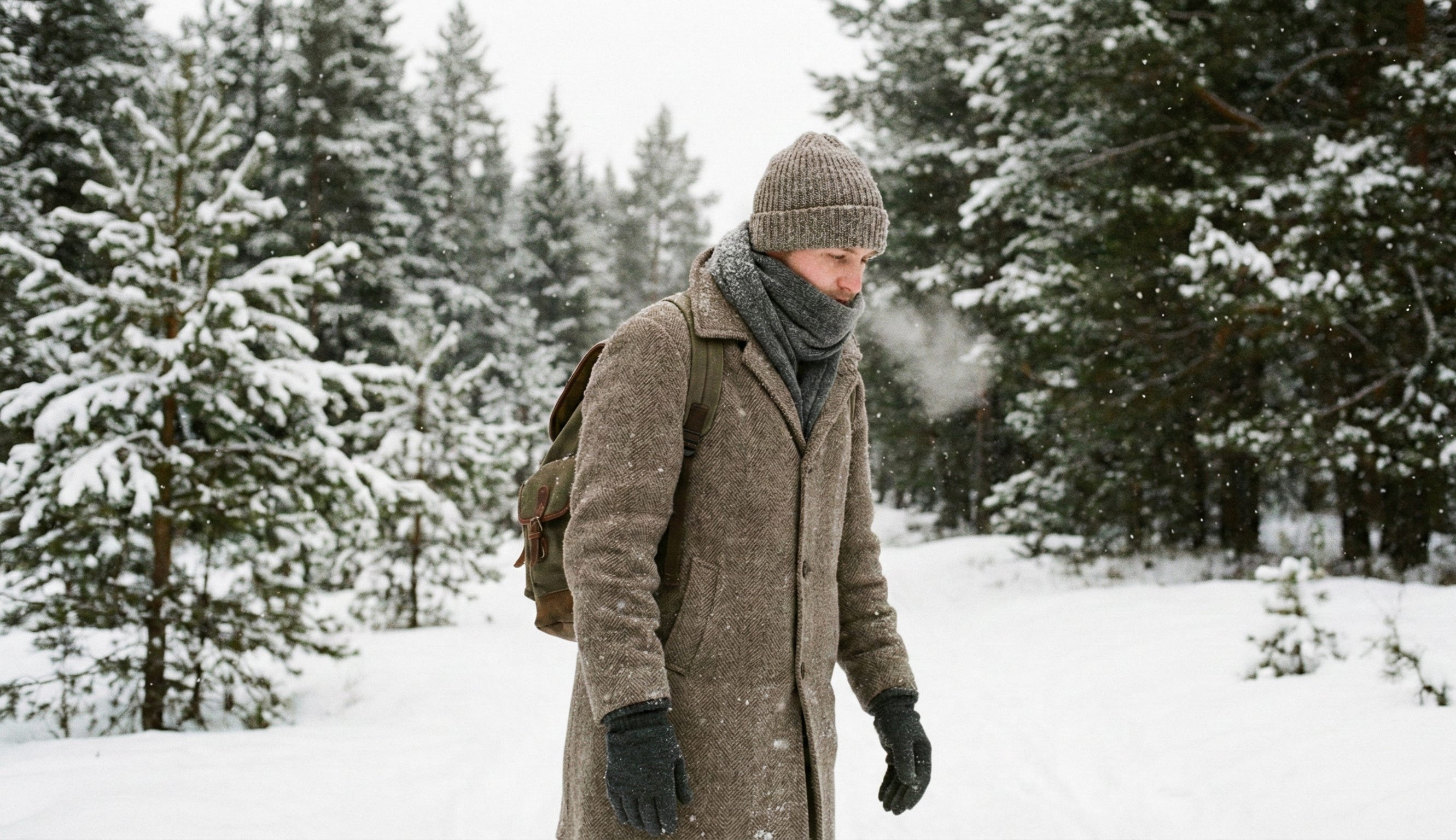
Try: Bundle up with the right outdoor gear (insulated shoes, wool base layers), and go for a 20-minute walk daily. The combination of the fresh air, UV light, and movement is your antiviral combo pill.
4. Hydrate to Support Immune Function
What dehydrates us are caffeine, sugar, alcohol, and dry weather. Getting enough fluids from fruits, soups, and just water builds up the potency of your mucous membrane and sinus mucosa to fight incoming viruses.
Practical tips: Hydrate consistently throughout the day and try warm herbal teas and soups if cold water isn’t appealing in winter.
5. Reduce Stress for a Stronger Immune Response
Chronic stress increases cortisol levels, suppressing the activity of infection-fighting lymphocytes.
It’s not about stress avoidance but learning healthy coping strategies.
Practical advice: 5 minutes of deep breathing or mindfulness exercises such as journaling daily to manage stress to lower levels.
If you’re looking for more personalized advice to support your immune system this season, book a 1:1 coaching session at www.drashori.com.
Wishing you health and resilience this season. Every small step you take can make a meaningful difference. Should you catch any seasonal viral infection, a healthier immune system will help you overcome it with less chance of complications.
Mini FAQ:
Q: I catch multiple colds every season, no matter what! What should I do first?
20 minute walks every morning. Replace processed foods with veggies and fruits. Sip teas daily. Spend more time relaxing and prepping for sleep. 5-10 minutes of breathing/medication daily.
Q: What vitamins or supplements help?
Most studies show that supplements and vitamins are ineffective. You can take them because they are safe, but they don’t stand a chance against the the 5 steps I outlined above. Looking for vitamins & minerals? The best place is your food.
Q: Maybe something is wrong with my immune system?
It’s possible, but usually you would have many serious infections. Each of us has a unique physiology and genetics. Some of us are more susceptible to certain infections but we can still improve that baseline.
The information here is for general education. It is not medical advice. Reading or listening does not create a patient–doctor relationship with me. I care about each subscriber and want you to get care that fits your life and medical needs. Always speak with your own licensed clinician before starting, stopping, or changing any health plan, medication, or routine.