


Chances are you only discovered your fatty liver on a scan. Otherwise you’re feeling great, working, exercising, and leading a healthy lifestyle.
At some point your bloodwork or an ultrasound comes back and someone mentions fatty liver. And the advice you receive is some version of:
“Lose weight and eat better.”
That may be reasonable advice, but it’s not much of a plan and it certainly isn’t helpful.
If this were me, I’d want to understand 4 things before making a specific recommendation:
1. What’s happening with the rest of my metabolic health?
The liver isn’t the problem. Some type of metabolic process is happening all over the body and the liver is the first one to show signs of it.
I’d want appropriate context around weight, waist circumference, glucose/A1C, lipids, blood pressure, alcohol intake and other relevant health information.
Most of what drives fatty liver disease is a rising fasting insulin, fasting cortisol, a drop in sex hormones, then eventually elevated fasting glucose and A1C, lipids, and eventually blood pressure.
2. What am I eating and drinking?
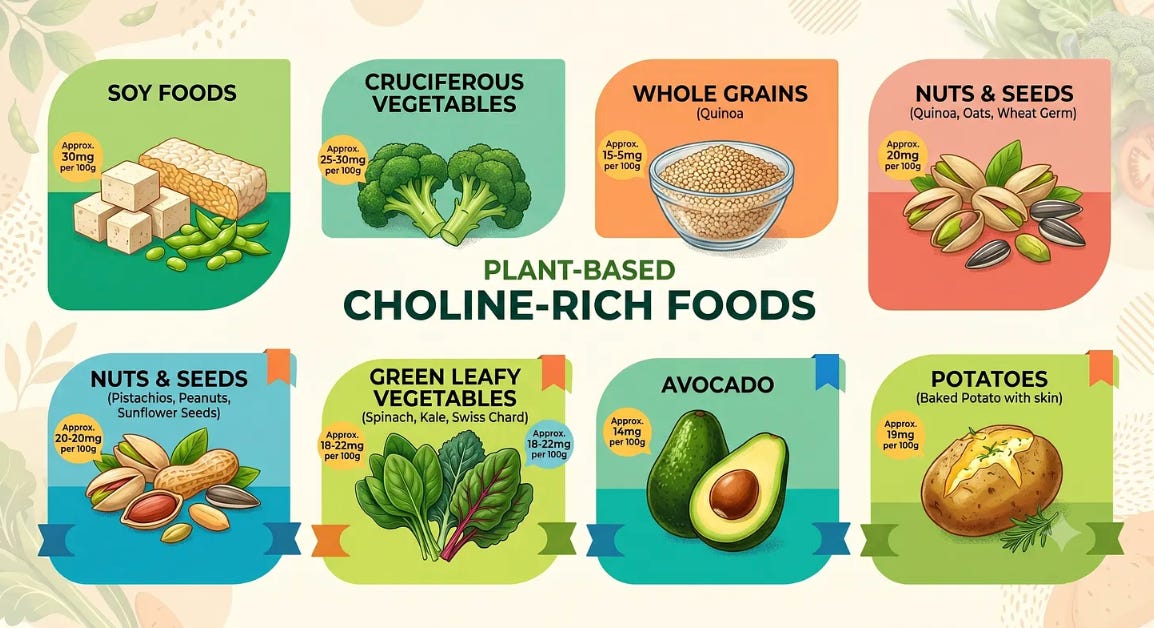
The modern high-protein, high-refined-carb diet crowds out a lot of nutrients. Without choline and glucosinolates it’s hard for the liver to heal. With a constant influx of excess calories the fat storage overflows, destroying the functioning parts of the liver.
The solution is obvious to almost everyone but the reason most have a hard time doing something about it is because the strategy with nutrition is missing. Again, it’s not about a lack of information, it’s about a lack of a sustainable plan.
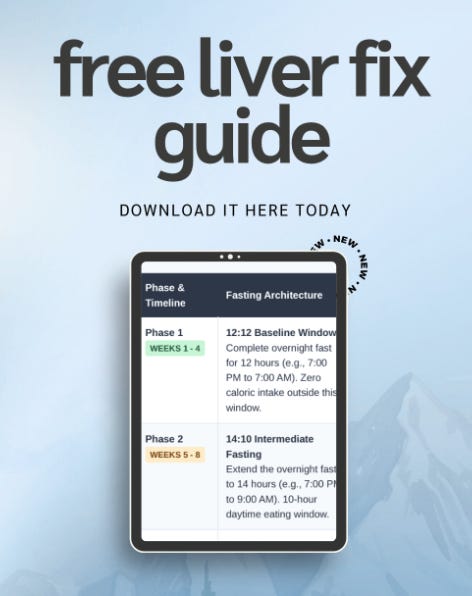
If you’ve been told you have fatty liver and aren’t sure what to change first, I put together a free Fatty Liver Fix Guide that walks through the labs, nutrition, exercise, and other factors worth paying attention to.
3. How much am I moving?
Walking, resistance training and aerobic activity can all be relevant pieces of the bigger metabolic picture. There’s no minimum dose because it depends on what your body needs in the moment.
I break exercise down to “mobility, stamina, and strength.” A healthy balance between these 3 seems to be necessary for improved metabolic health. In fact, many times I’ve been able to reverse someone’s fatty liver disease with just the right dose of aerobic training.
4. How will I know whether things are moving in the right direction?
If I change my habits, what are we following? When are we reassessing? Which measurements matter most?
I don’t want to make 6 changes and simply hope something happens. That’s where data is really helpful. In my TREND Method, I track the effect of an intervention. Then we adjust accordingly.
Fatty liver is a good reminder that you don’t necessarily need to feel sick for something to deserve your attention.
Not sure where to start?
If you’ve been told you have fatty liver and aren’t sure what deserves your attention first, I put together a free Fatty Liver Fix Guide to help.
It walks through the bigger picture, including the health markers, nutrition, weight, and exercise that can be relevant when fatty liver is a concern.
Inside the guide:
Health markers and labs worth discussing with your healthcare team
Nutrition changes that can support metabolic and liver health
The role of weight loss and body composition
Exercise and movement
A practical way to start making changes you can actually maintain.
Disclaimer:
Dr. Mohammad Ashori is a U.S.-trained family medicine physician. The content shared here is for education and general guidance. It is not personal medical advice, diagnosis, or treatment, and it does not create a doctor-patient relationship. Humans are complicated and your personal details matter. Your healthcare team is your best resource before making medical decisions, changing medications, or managing symptoms. This information is to help you add more depth to those conversations.
Follow me on:
📸 Instagram
▶️ YouTube
📘 Facebook
👽Reddit