



Recipe 1: Grated Apple–Date Holiday Cake
Apples are abundant and have lots of health benefits. This is a light, moist cake that’s forgiving. Make your own version by tweaking the ingredients.

Apple Cake Ingredients:
2-3 medium apples, grated
3/4-1 cup chopped dates
2 eggs or 2 flax eggs (2 tbsp flax meal + 6 tbsp warm water)
¼-⅓ cup olive oil
¼–⅓ cup honey or maple syrup
1 cup whole wheat flour (sub partially with Einkorn, Spelt, or Rye)
1 teaspoon baking powder
½ teaspoon baking soda
1 teaspoon cinnamon
½ teaspoon cardamom (optional)
Pinch of salt
1/2 cup chopped walnuts or pecans
Apple Cake Instructions:
Grate 2-3 apples.
In a bowl, whisk eggs (or flax eggs) + olive oil + cup honey.
Stir in the apples + dates.
In a bowl, mix flour + nuts + baking powder + baking soda + cinnamon + cardamom + salt.
Combine wet + dry bowls. Stir until just mixed (don’t overmix).
Pour into greased baking dish of your choice.
Bake at 350°F for 30–40 minutes.
Cool 10 minutes before slicing.


Recipe 2: Red Lentil, Potato, and Cabbage Curry
Cabbage is in season and I’m a big fan of potatoes and easy-to-cook red lentils. We have protein, fiber, and plenty of nutrients.
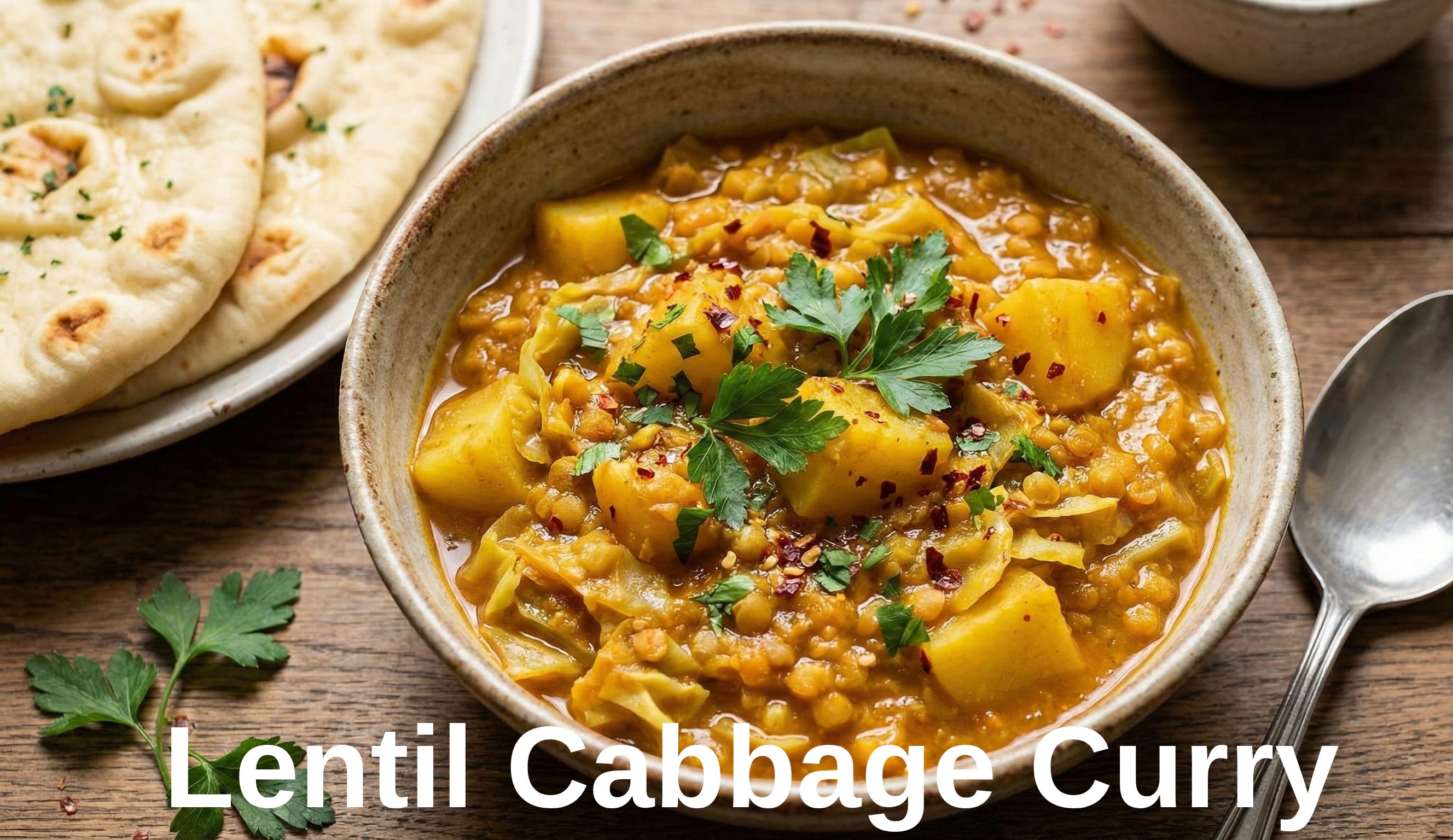
Cabbage Curry Ingredients:
1 medium chopped onion
2 tablespoons olive oil
1 teaspoon whole cumin seeds (skip if not available)
1 tablespoon curry powder
1 teaspoon ground cumin
1 teaspoon ground coriander
½ tablespoon sweet paprika
Chili flakes (for a little spice, optional)
1 teaspoon ginger powder
Salt + pepper
¼ head cabbage, thinly sliced
1 tablespoon tomato paste
¾ cup red lentils, rinsed
3 small–medium potatoes, diced
1 teaspoon garam masala powder
1 tablespoon almond butter
1 cup cashew cream (easy to make from whole, raw cashews)
Juice of ½ lemon
Fresh parsley (optional)


Cabbage Curry Instructions:
Cook onion in olive oil until soft.
Add cumin seeds and toast for 30 seconds.
Add curry powder + ground cumin + coriander + paprika + chili + ginger powder + salt. Toast 30–60 seconds.
Add cabbage. Cook 5–7 minutes.
Add tomato paste. Cook 3-4 minutes.
Add red lentils + potatoes.
Pour in 2-3 cups hot water (enough to cover and maybe more depending on the consistency you like)
Simmer 20 minutes until soft, covered or uncovered.
Add garam masala + almond butter + cashew cream + lemon juice + parsley to the finished dish.
Adjust salt + lemon + pepper.
Rest 5 minutes before serving.
Recipe 3: Ginger-Glazed Butternut Squash
Squash and pumpkins are in season and this dessert will blow your socks off. It’s nutty, sweet, toasty, and super easy to digest.
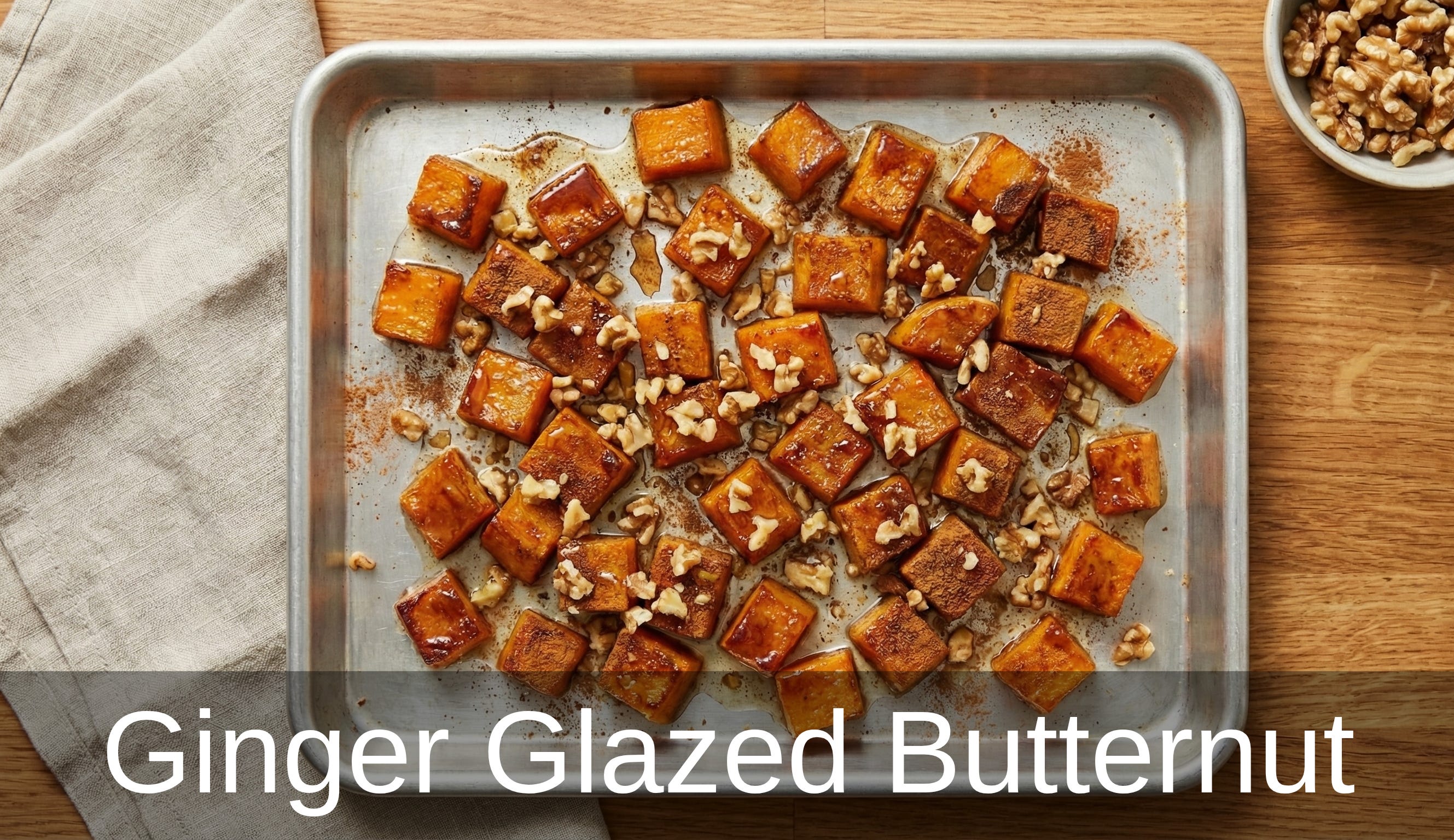
Ingredients:
4 cups cubed butternut squash (or any other sweet squash or pumpkin)
1 tablespoon olive oil
¼ teaspoon salt
3 tablespoons date syrup (blend soaked dates + water) or 2 tablespoons honey
1 teaspoon grated fresh ginger or ½ teaspoon ginger powder
1 tablespoon lemon juice
2 tablespoons water
Optional toppings: cinnamon + chopped walnuts or pistachios
Instructions:
Toss squash with olive oil and salt.
Roast at 400°F for 20 minutes.
Mix date syrup + ginger + lemon juice + water.
Pour the glaze over the squash and toss a little to coat.
Roast another 10–15 minutes until glossy and caramelized.
Top with chopped nuts + cinnamon.
Mini FAQ:
Q: I’m worried about my blood sugars, can I substitute artificial sweeteners?
The answer to AS is almost always no. If you are diabetic or have some metabolic dysregulation it’s much more effective to practice portion size and meal timing rather than cutting out sweets altogether. If you don’t have any metabolic problems, moderation continues to be the best option.
Q: Don’t cashews and other nuts create inflammation or prevent nutrient absorption?
Nuts, in small amounts, seem to be healthy from the data we have. But they certainly aren’t necessary. Sub your own favorite replacement.
Q: I heard that organic ingredients are best because of the pesticides?
Organic still has some pesticides but they are different. Eating a plant-forward diet seems to have protective effects even if you consume conventional produce. But if you trust the source and organic label and can afford it, have at it.
Q: Isn’t gluten bad for you?
There’s not data to show that gluten is bad. But if you are replacing your whole foods with only gluten, it might be a problem. If you are getting most of your gluten from packaged cookies, crackers, and sweets, it’s best to avoid it.
Q: Doesn’t oil add extra calories and cause inflammation?
You can measure your inflammation with biomarkers. Try a month of more oil in your food, followed by a month of less oil and see how your inflammatory numbers change. As for calories, 2 tablespoons of oil in a dish that makes 6 servings would come out to 40 kcal per serving.