


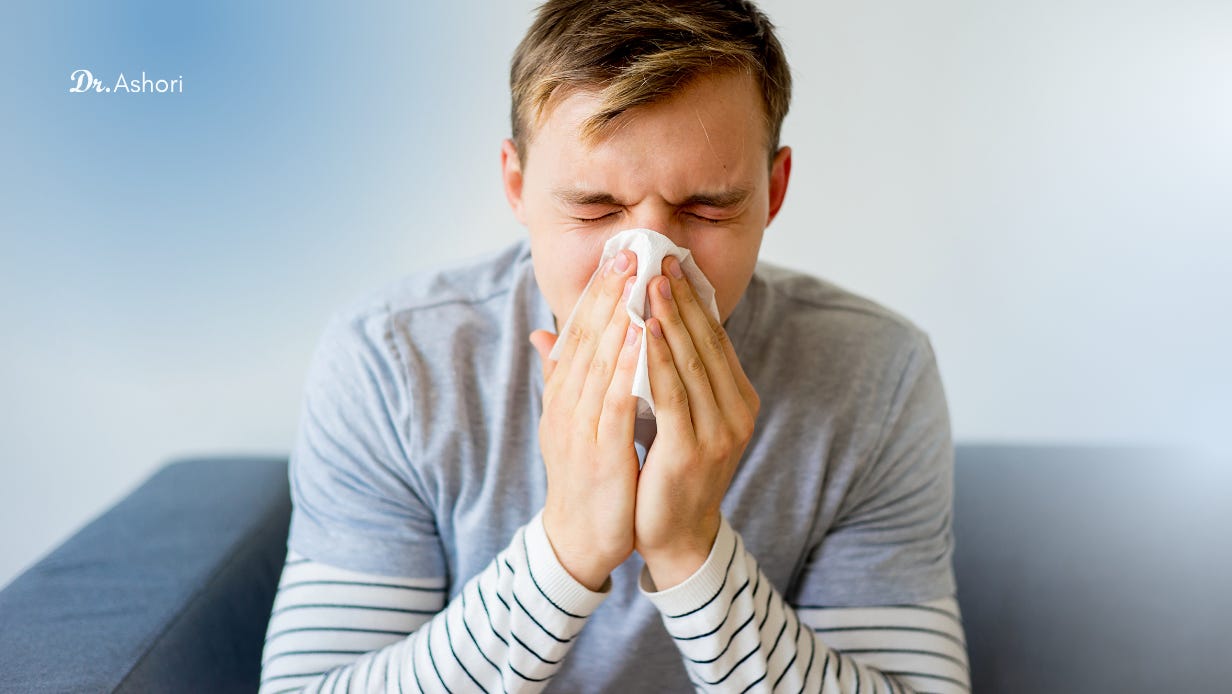
There is nothing worse than losing a week of your life to a cold you could have prevented. The good news is that these pesky respiratory infections are preventable. Figure out which of these is most likely to benefit you and start with the top 3 on your list.
Welcome to the Healthy Aging Newsletter, a free publication translating trustworthy medical research into simple habits to age well, free of chronic disease. I’m Dr. Ashori, a family medicine doctor turned health coach.
TL,DR
Sleep consistently
Wash hands
Get enough vitamin D
Eat more plants
Moderate exercise
Manage stress load
Probiotics for a select few
Maintain indoor humidity
Limit alcohol and sugar
Use saline rinses when exposed
During the cold and flu season I usually pick up shifts in the urgent care because our local clinics get slammed. As I’m doing a throat exam someone will cough in my face. When I’m looking into the ears of a cute little kiddo, they’ll sneeze right on my glasses.
Exposure is really hard to avoid. We’ve tried that method for centuries, and it’s just ineffective. This is how I’ve managed to not get sick too often in my own clinic.
1. Hand Hygiene
Still the heavyweight champion if you look at the literature. Meta-analyses consistently show less chance of upper respiratory infections when people wash hands regularly.
I advise my patients to avoid alcohol-based wipes because they aren’t good for the skin. They tend to wipe out your healthy skin flora, too.
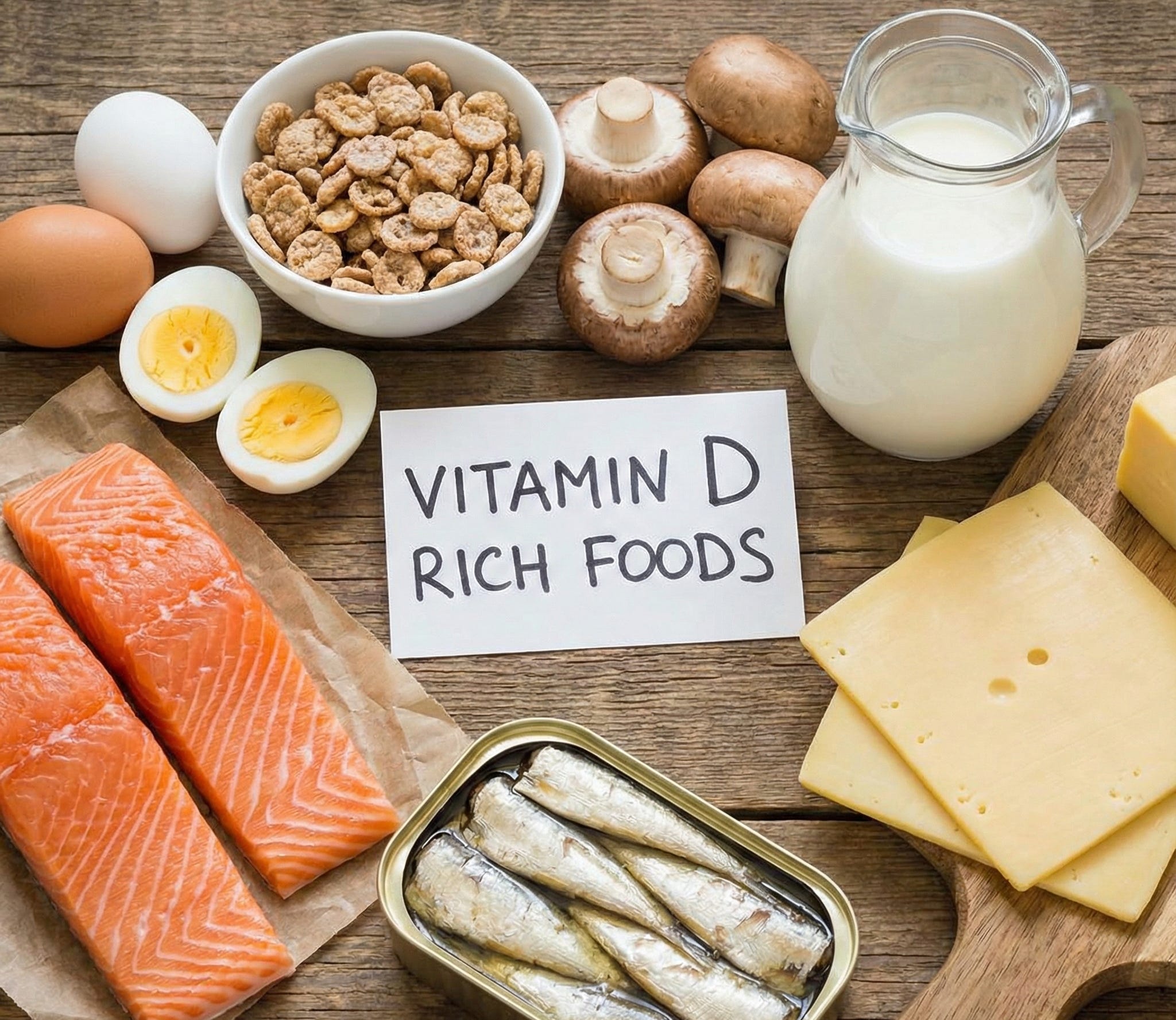
2. Vitamin D
Whether your numbers are normal or low, get more Vitamin D. I’m not a fan of supplements because the data isn’t as strong. But D-rich foods and sunlight always come up on top in research.
3. Flavonoids (Plants)
The big systematic review of 14 trials found fewer respiratory infections and fewer sick days with daily flavonoid intake. Think, berries, citrus, apples, onions, green + black tea, lettuce, spinach, and cacao.
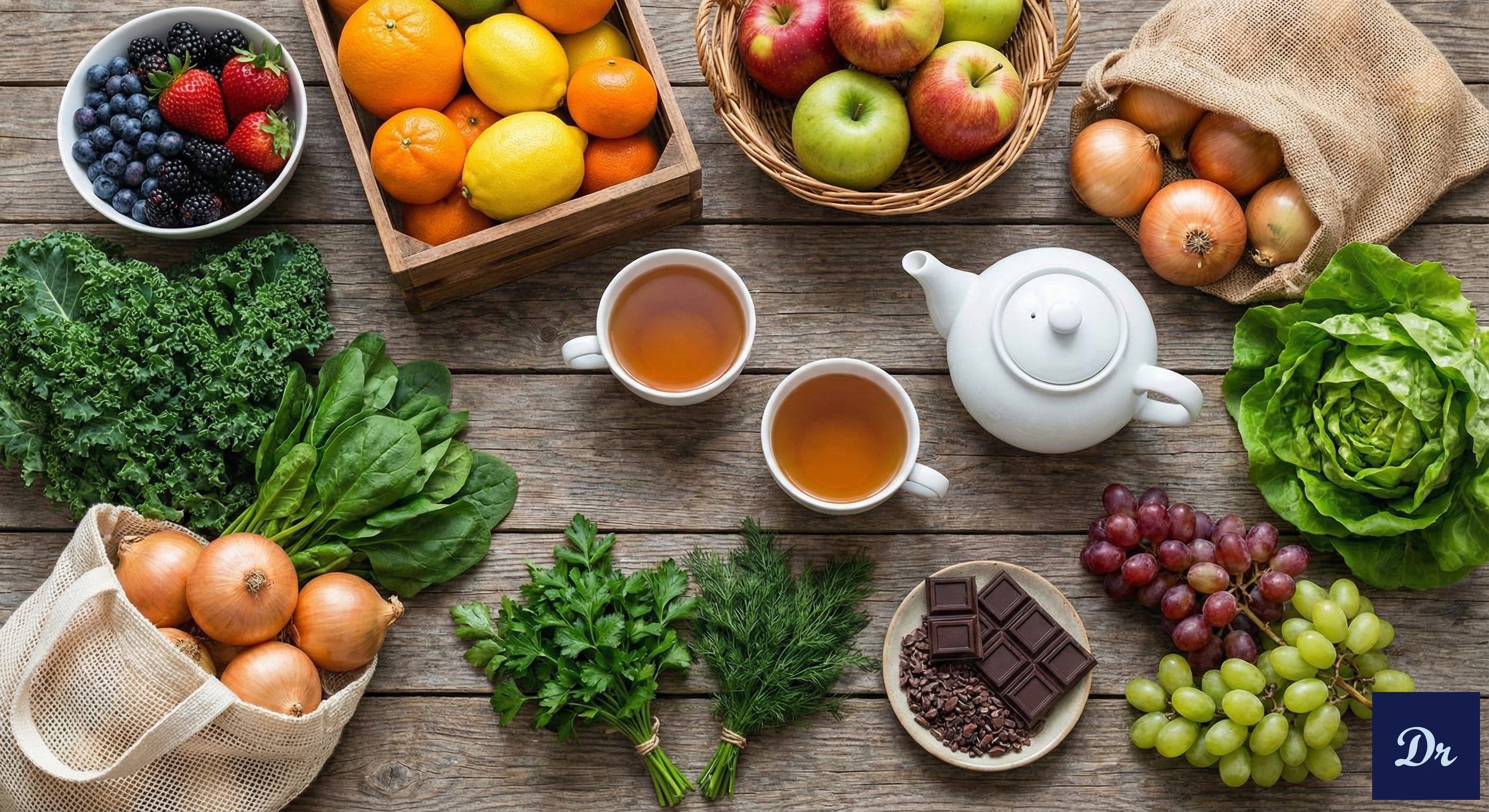
The only reason I use the word flavonoids instead of just plants is because there is always a company trying to sell you capsules and supplements. But my experience is that the real thing is better.
4. Probiotics
For my patients at highest risk of these seasonal colds & flus, there is small data to show that probiotic rich foods may help. You can do capsules but the real thing is better. The research proves it.
We’re talking kefir, sauerkraut, yogurt, kimchi, miso, tempeh, fermented pickles, kvass, and fermented veggies.
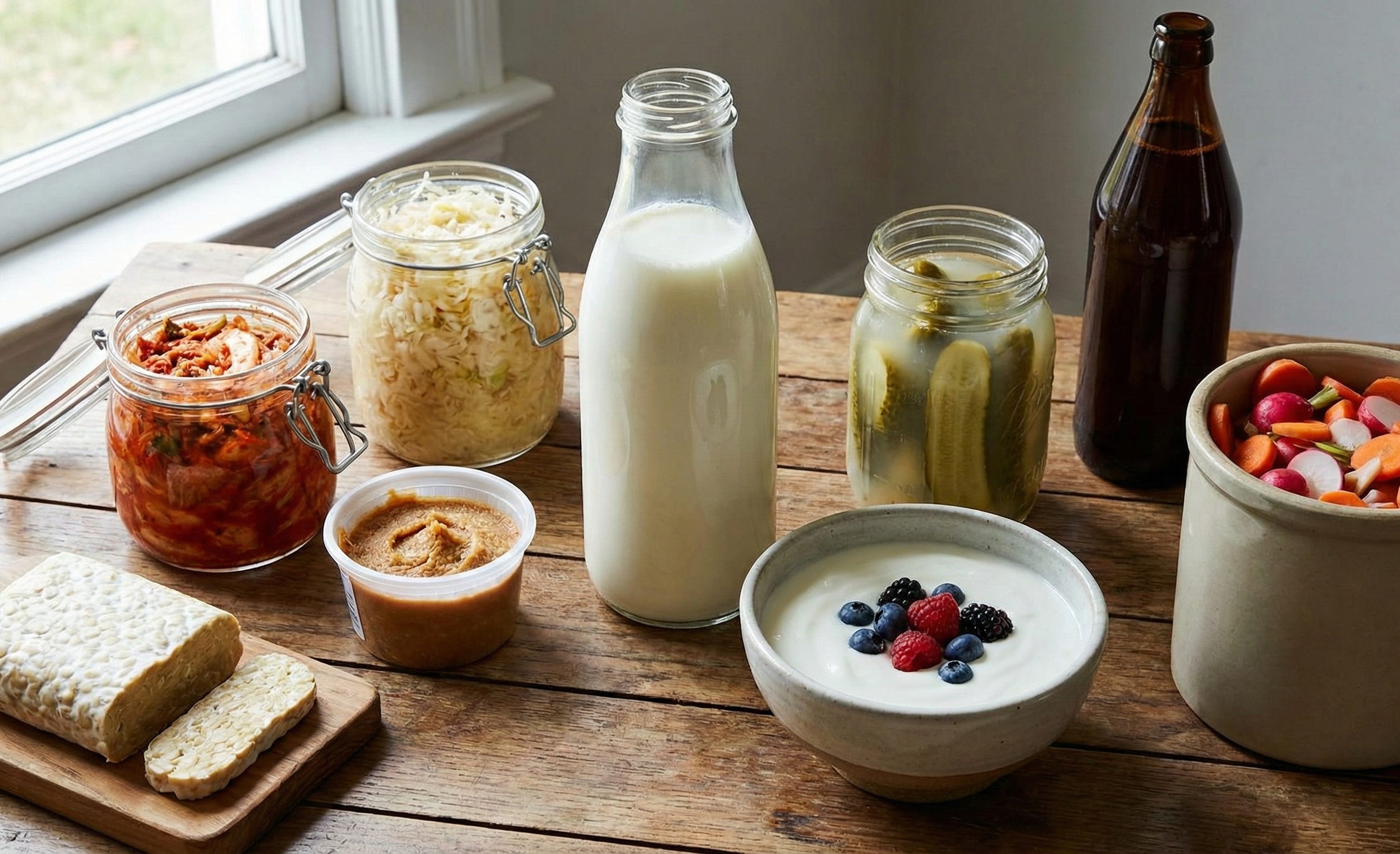
Probiotic-rich foods are any foods that still contain live, active cultures. Not all fermented foods qualify. Some are heated or pasteurized after fermentation, which kills the microbes. We want the ones with living bacteria that actually reach the gut.
5. Nasal Saline Rinses
Mouth rinses and saline nasal washes hydrate the mucosa, reduce viral load, shorten symptom duration, and may lower the chance of complications from an upper respiratory tract infection.
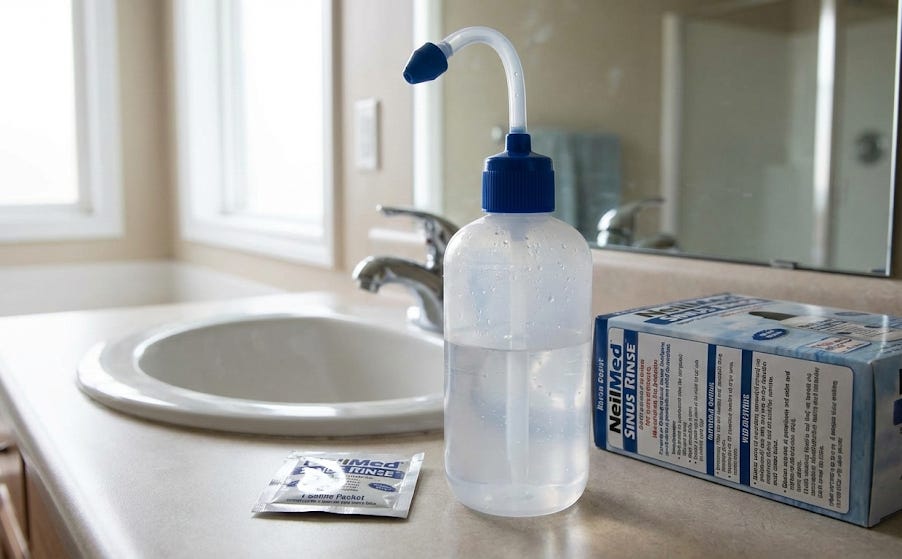
My wife makes me do it when I work the urgent care during the cold and flu season. And I’m grateful for it. A good old NeilMed is all you need.
6. Sleep
Fewer than 6 hours of sleep per night means a higher chance of catching a cold when exposed to different respiratory viruses. If I don’t sleep well or enough the night before a long clinic shift, I call out sick.
This is proven true especially when you work with the public. Restful sleep is sleep that’s free of caffeine, alcohol, heavy meals, or excess sleep apnea episodes.
7. Alcohol
Heavy drinking reliably suppresses immune function. Moderate intake is probably fine, but I still avoid alcohol during the cold and flu season.
Try having lighter alcohol and drink a lot of fluids before you have your first alcoholic sip.
I’m always okay with catching a cold but I don’t want my immune system be so weak that it wrecks me for the holiday season.
8. Stress & Emotional Load
High chronic stress makes people 3X more likely to get sick when exposed to cold and flu viruses. Social connection is protective, interestingly. Probably because your stress level drops.
Meditation helps, more sleep helps, and doing enjoyable activities seem to be protective.
9. Exercise
Moderate movement lowers risk of seasonal infections - we’re talking a few sessions a week. Overtraining increases your risk, especially when you are left wiped out.
I walk daily for my Vitamin D. I still rock climb every other day. But I don’t go all-out. I leave a little in the tank for my immune system to protect me in the cold and flu season.
10. Sugar Intake
Short-term suppression of neutrophil activity after high sugar intake is well-known. Some people aren’t at all affected by sugar or simple carbs. If that’s you, you’ll know that by now.
When I have too much sugar or simple carbs I feel sluggish, don’t recover in the gym, and my mucosa is dry as the desert.
11. Hydration
Dry air and low fluid intake weaken the first line of defense, which is your mucosa, exposing you to more seasonal viruses.
Alcohol, vaping, sugar, and excess exercise is my nemesis during the cold and flu season. I can drink more water but it’s not as effective.
12. Indoor Air Quality
Humidifiers in dry climates reduce respiratory virus spread. HEPA filters reduce viral load in shared spaces.
Keep humidity 40–60 percent, use a space filter especially if you live with a lot of people.
13. Masking
When used correctly, a mask reduces inhalation of viral particles. Not necessary for everyone all the time, but helpful during peak surges or close contact.
14. Avoiding Touching Your Face
I know this one is hard. But the more you touch your face and nose during the cold and flu season, the higher your chance of getting the right dose of the virus in the wrong places.
Washing your hands regularly and remaining hydrated is a good antidote.
Mini-FAQ
Do supplements work?
I haven’t found strong data so far. That includes Vitamin D, flavonoids, etc.
What about zinc or elderberry?
It seems that for some people these are magic and for the majority of my patients they don’t seem to do much.
Should you take vitamin C?
Yes, in the form of fruits. But not more than you usually do.
Does cold weather itself increase infection risk?
From personal and patient experience, it doesn’t seem to be causal but there is a connection because of the seasonality of these viruses.
Should I get a vaccine this year?
Medical interventions should always be an individual decision. I can’t speak about the public health perspective, but as a physician I discuss risks and benefits which each patient.
What about preventive medication?
For some people we will prescribe antiviral medication to help them prevent catching the flu. There is some data that it can help very high-risk people.
The best way you can support my work is to comment below and repost this with your thoughts. My goal is to help people feel empowered to enjoy their best possible health.
The information in this podcast is for general education. It is not medical advice. Listening does not create a patient–doctor relationship with me. I care about each listener and want you to receive care that fits your life and medical needs. Always speak with your own licensed clinician before starting, stopping, or changing any health plan, medication, or routine.
Masks do not work. Thank you.