


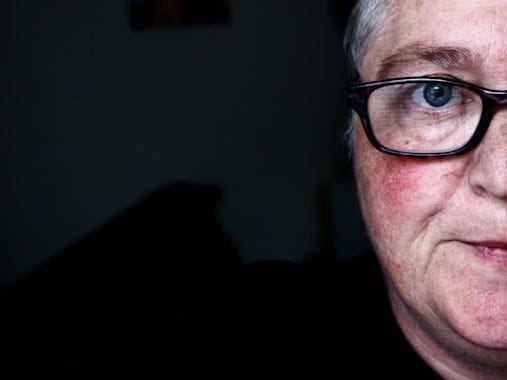
If you’ve been dealing with skin redness and rosacea flares, this article is for you. Lifestyle changes are huge to help you manage it but sometimes you just need medications or laser to really calm things down.
This is the cumulative knowledge of several individuals who’ve lived with rosacea whom I’ve polled in my medical practice.
The reason I’m including rosacea in my newsletter is because of the strong association between it and both metabolic syndrome and cardiovascular disease.
Historically, rosacea was treated strictly as a localized cosmetic skin issue. However, contemporary research views it as a systemic, chronic inflammatory disorder.
1. Stop Overdoing Skincare
A lot of people said their skin improved when they stopped multiple products and simplified everything.
Some people even stopped morning face washing, stopped double-cleansing, stopped serums/toners, or used only water.
Avoiding all the chemical-laden skin care products has had a lot of other health benefits for my patients.
2. Get Diagnosed Properly
Several people said the real turning point was seeing a dermatologist and realizing it was rosacea, not adult acne. They can really look alike.
With the right diagnosis, you get the right treatment:
Metronidazole, ivermectin/Soolantra/Rosiver, doxycycline, azelaic acid, compounded “triple cream,” low-dose minocycline, Rhofade, and sometimes low-dose Accutane.
3. Ivermectin is Popular
This was probably one of the most repeated medication mentions. And there’s good data to back it up.
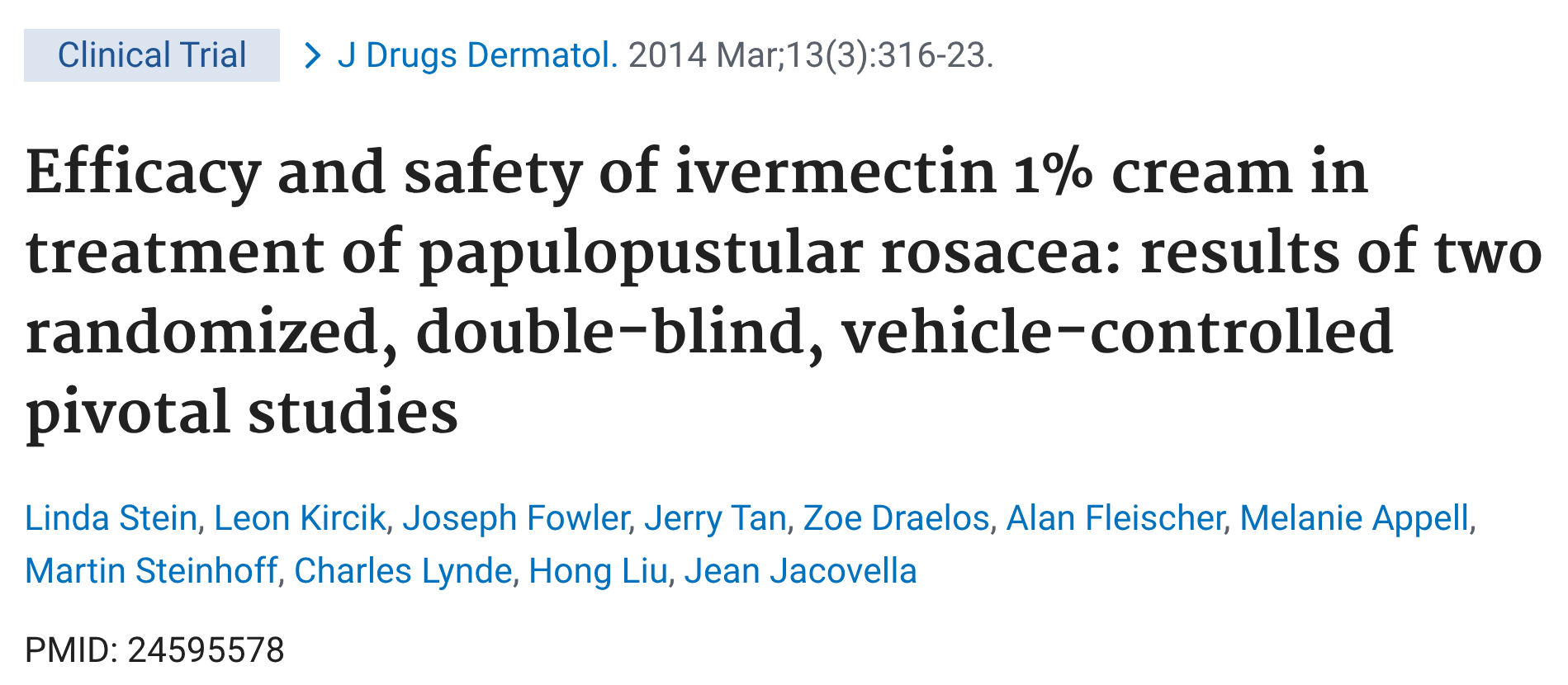
People described it as a “game changer,” especially for type 2 papulopustular rosacea. Some said it took weeks, one person said it took 8 months for full clearance.
4. Doxycycline Helped Some Dramatically
Several mentioned low-dose doxycycline helping pustules, painful flushing, or type 2 symptoms.
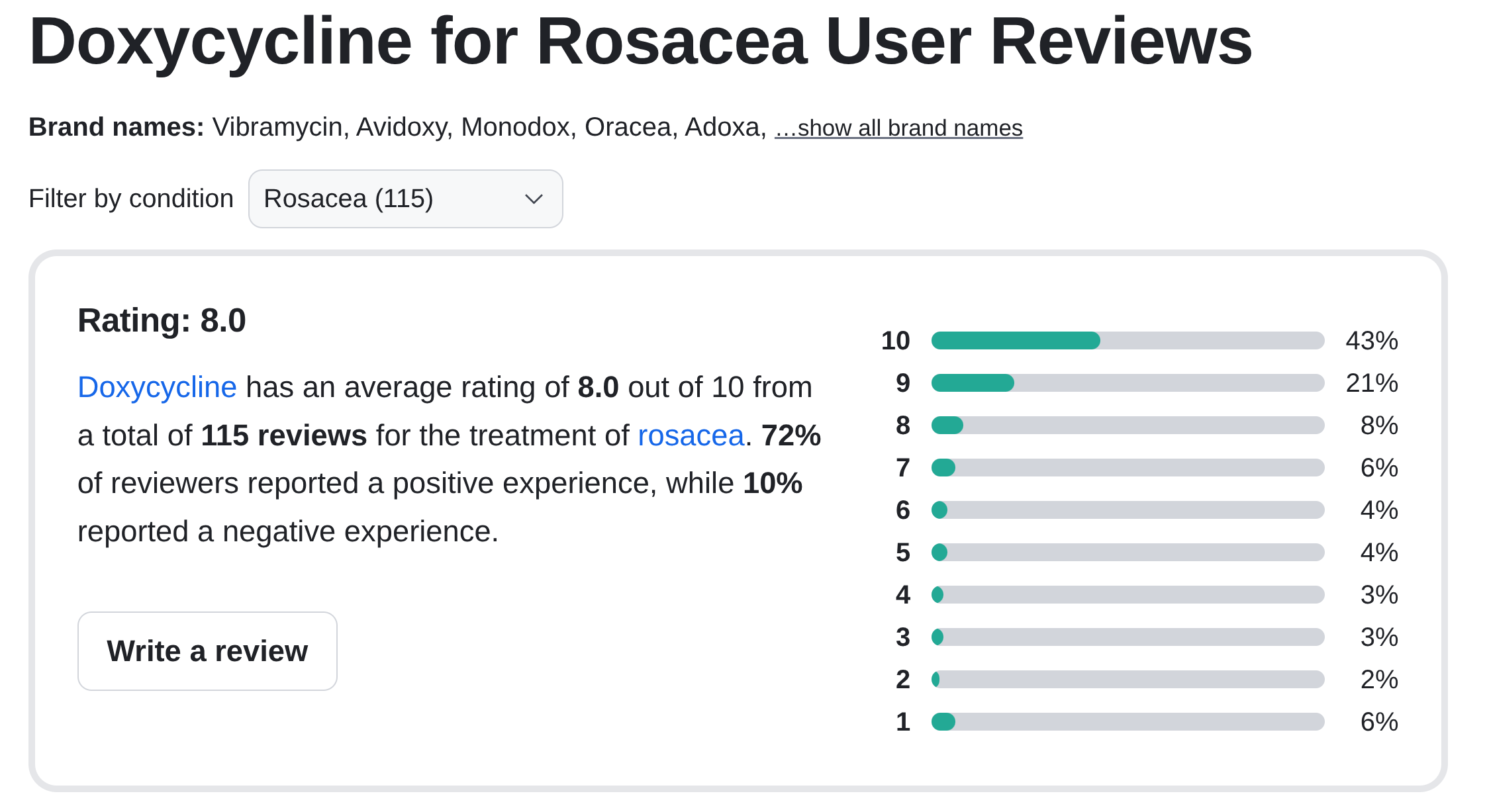
Some said symptoms returned when they tried to stop.
5. Sunscreen, Especially Tinted or Zinc
Daily sunscreen was another major theme.
People mentioned tinted sunscreen because it both protects and visually softens redness.
Zinc/mineral sunscreens came up repeatedly. Some specific products mentioned included La Roche-Posay Anthelios, Australian Gold tinted, Dr. G Green Mild Up, ISDIN, and La Roche-Posay tinted SPF.
Frustrated by one-size-fits-all advice? I take on a limited number of 1-on-1 coaching clients to dive deep into your unique health history, identify your physiological triggers, and design a sustainable plan to help you feel your best.
6. Alcohol Avoidance
Multiple people said stopping alcohol made a big difference, even if they only drank occasionally.
Other dietary triggers mentioned: sugar, dairy, chili/spicy foods, high-fructose corn syrup, red meat, greasy food, caffeine, and high-histamine foods.
7. Temperature Control
A lot of people focused on heat and temperature swings.
Common tips: Avoid hot showers. Use cool or tepid water. Do not wash face in the shower. Avoid letting shower water hit the face. Stay warm enough in winter to avoid cold-triggered rebound flushing.
8. Exercise Had Mixed Reports
Some people said cardio before a meal or event helped them “get the flush out of the way” and stay calmer afterward.
Others said cardio or gardening made them stay flushed for hours. So this seems very individual.
I always start exercise in my rosacea patients slowly, especially when outdoors. Almost always, more exercise improves symptoms.
9. Omega-3s
A few users said omega-3 supplements helped redness, type 2 symptoms, or ocular rosacea.
Some discussed algae-based EPA/DHA versus flax oil. One person reported improvement after about 6 weeks.
I’ve not had a lot of success with omega-3s but I still recommend people try it.
6 daily habits that decrease inflammation and improve metabolic health:
Download the free guide!
10. Sulfur Soap/Wash
Several people mentioned sulfur soap or sulfur wash, sometimes as a second cleanser or short mask.
One of my patients used a cheap 10% sulfur bar and noticed less cheek redness within about a week. N=1.
I’d clear this with your dermatologist first because it can worsen reactions.
11. Lasers and Light Treatments
Vbeam and IPL were mentioned as helpful for redness/flushing, especially when topicals did not fix the vascular redness.
One person said Vbeam required 4 rounds initially and then yearly maintenance. Another said IPL greatly reduced weekly flares after 2 sessions.
12. Look for Overlapping Conditions
Several people mentioned that their “rosacea” was partly something else or overlapping with something else.
Examples mentioned: Seborrheic dermatitis. Allergies. SIBO. Ocular rosacea. Demodex-related symptoms.
Disclaimer:
Dr. Mohammad Ashori is a U.S.-trained family medicine physician. The content shared here is for education and general guidance. It is not personal medical advice, diagnosis, or treatment, and it does not create a doctor-patient relationship. Humans are complicated and your personal details matter. Your healthcare team is your best resource before making medical decisions, changing medications, or managing symptoms. This information is to help you add more depth to those conversations.
Follow me on:
📸 Instagram
▶️ YouTube
📘 Facebook
👽Reddit