



UPDATED: February 18th, 2026
Welcome to the Beyond The Labs Newsletter, a weekly deep-dive into solving your health mysteries. I help adults in their 30s-50s solve the ‘Normal Lab’ mystery of brain fog, fatigue, and stubborn weight, to reclaim their energy and focus. I’m Dr. Ashori, a board-certified MD. I look Beyond the Labs through virtual Direct Primary Care in California and personalized health coaching for professionals worldwide.
Worried about heart attack, stroke, or heart failure? Every major clinical society agrees that these are preventable conditions.
The European Society of Cardiology just released its 2025 cholesterol guidelines. Lifestyle changes remain the first and most effective step for lowering cholesterol and cutting long-term heart disease risk. Medications have their place, but the focus is still on habits you can control every day.
Here are the lifestyle interventions with the strongest evidence and impact, ranked by the guideline system. For each, I’ve included the why, the how, and one simple action you can take today.

1. Eliminate Trans Fats: ↓ 5–10% LDL
Though these have been banned by the FDA since 2018, plenty of packaged foods may still have this plaque-building culprit. Consider imported foods.

Why: Even small amounts raise LDL-C and lower HDL-C.
How: Read ingredient labels carefully.
Action: Check one packaged snack at home and toss it if it says “partially hydrogenated oils.”
2. Reduce Saturated Fats: ↓ 5–10% apoB
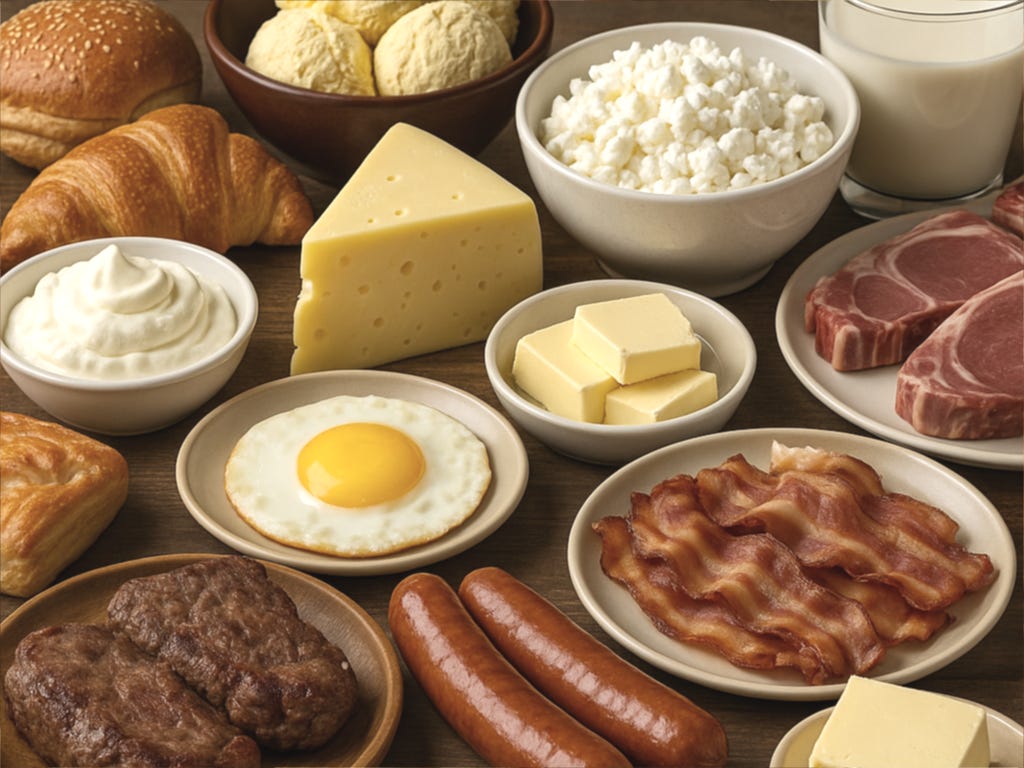
Why: Replacing saturated with unsaturated fats lowers LDL-C and apoB significantly.
How: Swap butter, cheese, and fatty meats for olive oil, nuts, and fish.
Action: Use olive oil instead of butter or ghee in your next meal.
You don’t have to eliminate all saturated fats. Reducing your total daily intake will go a long way. For those at higher risk of cardiovascular disease, consider taking in less than 6% of your daily calories from saturated fats.
3. Eat More Fiber: ↓ 5–10% LDL
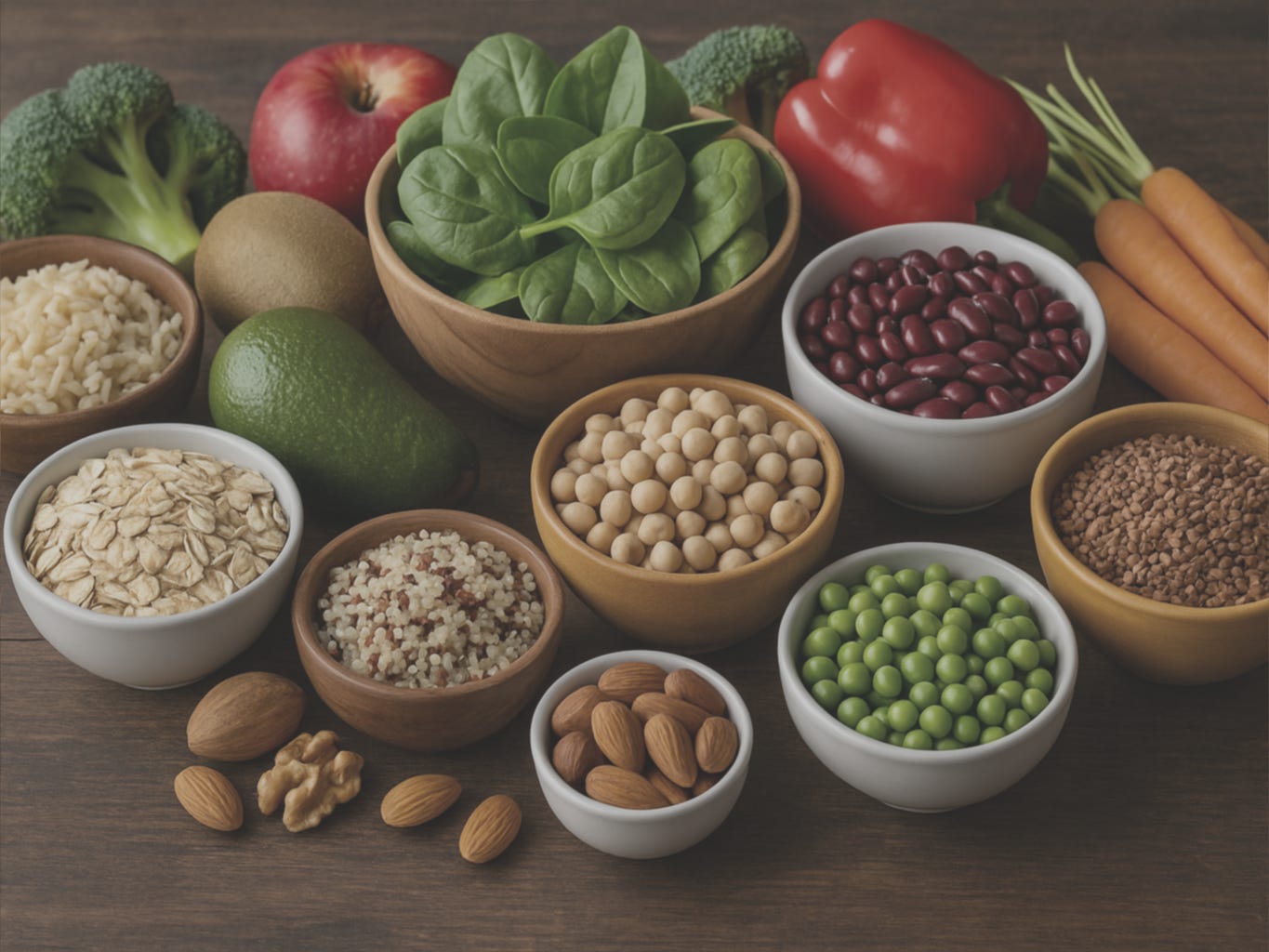
Why: Soluble fiber binds cholesterol in the gut and lowers LDL-C and Triglycerides (TG).
How: Prioritize whole grains, beans, vegetables, and fruit.
Action: Add a handful of beans or lentils to your lunch today even if what you’re eating may not be the healthiest.
Fiber will do its work independent of anything less desirable in your diet. The first step is to have more of it and later you can focus on cutting out something.
4. Lose Excess Visceral Fat: ↓ 10-20% apoB
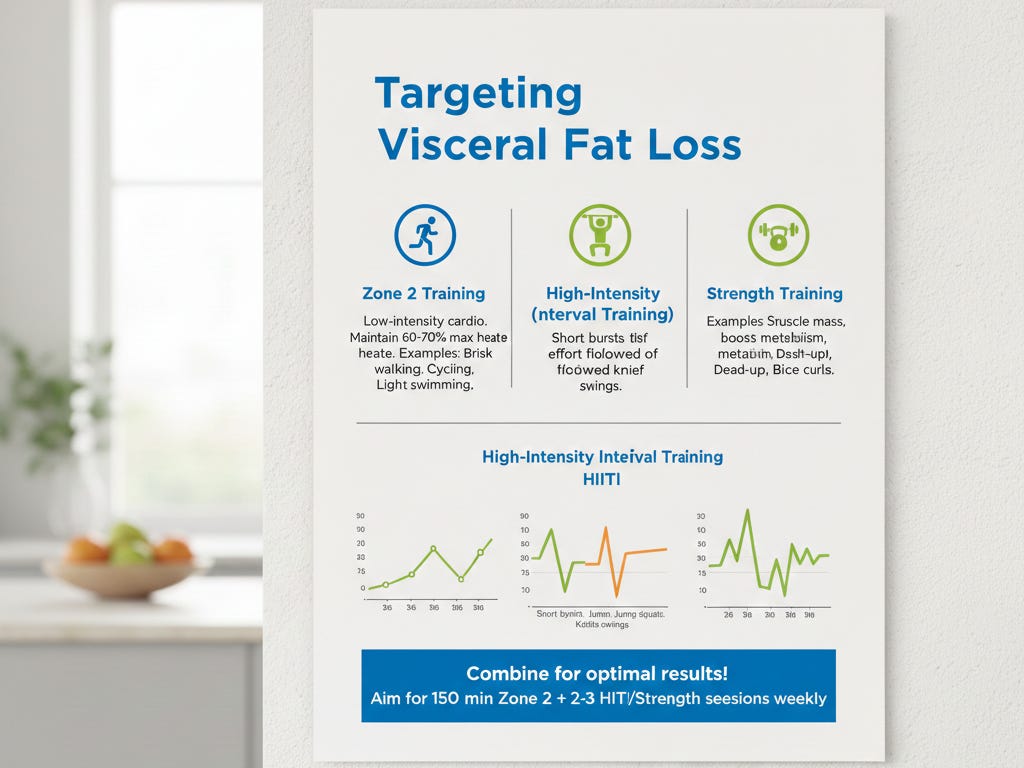
Why: Losing 5–10% of visceral fat improves LDL-C, HDL-C, and Triglycerides.
How: Focus on waist size and abdominal fat reduction. That’s where visceral fat hangs out and causes the most trouble.
Action: Take a 10-minute walk after your biggest meal today.
5. Foods Fortified with phytosterols: ↓ 6–8% LDL
Why: Plant sterols/stanols can potentially lower LDL-C when used regularly.
How: Some margarines, yogurts, and fortified foods contain them.
Action: Swap one daily spread or yogurt for a phytosterol-enriched version.
This is #5 on their list and though for some this will work quite well, for others it may not be a good idea. In general, unless you live in a food desert or have certain medical conditions, fortified foods should be a last resort.
6. Limit Refined Carbs (Sugars): ↓ 10-20% TG
Why: Sugars and refined starches push up Triglycerides and contribute to poor metabolic health.
How: Choose whole-food carbs like oats, quinoa, and brown rice and foods like 100% whole-wheat bread.
Action: This week, replace one soda or sweetened drink with flavored sparkling water.
7. Move Your Body Most Days: ↓ 3–6% apoB
Why: Regular exercise improves HDL-C and overall heart health.
How: Aim for 30 minutes of brisk movement most days.
Action: Add in a few squats, push-ups, or stair climbs to your daily routine. Make the time for it because it’ll pay dividends for your heart health, brain health, mood, and energy.

8. Drink Less Alcohol: ↓ 15-20% TG
While some will see incredible results cutting out alcohol completely, many will also see great benefits just from cutting back.
Why: Excess alcohol spikes Triglycerides and raised blood pressure for some.
How: Replace alcohol with healthier alternatives or cut back when it’s more of a learned habit and less of a joy.
Action: Swap your next drink for a non-sweetened flavored beverage.
9. Skip The Supplements
It’s not that supplements are bad, it’s just that most don’t use them correctly. Even worse, some use them instead of a much more healthy alternative. For the right person the right supplement can make a huge difference.
Why: This guidelines emphasizes that supplements and vitamins without proven LDL-lowering effect are not recommended.
How: Redirect time and money toward proven lifestyle steps from the list above.
Action: Cross one unnecessary supplement off your daily pillbox and buy fresh produce instead.
10. Stop Smoking: ↑ 3–10% HDL
15% of Americans still smoke. And, remember, this is European guidelines where smoking is still quite prevalent.
Bonus: Prioritize Overall Dietary Patterns
Why: Diet quality matters beyond single nutrients: Mediterranean and plant-forward diets consistently reduce CVD events and lower LDL-C, apoB, and Tg.
How: Emphasize vegetables, fruits, whole grains, legumes, nuts, fish, and minimal ultraprocessed foods.
Action: Replace white rice for brown rice or rice noodles for whole-grain noodles.
Medications can be life-saving, but they’re meant to be added after you’ve given lifestyle changes a real chance. These 10 habits are powerful, proven, and under your control.
If you’re in your 30s or 40s and noticing cholesterol creeping up, this is the perfect time to act. Small changes now add up to decades of protection later.
Ready to get handle on your lipid profile?
Disclaimer:
Dr. Mohammad Ashori is a U.S.-trained family medicine physician turned health coach. The content shared here is for education and general guidance only. It is not personal medical advice, diagnosis, or treatment, and it does not create a doctor–patient relationship. Humans are complicated and context matters. Always talk with your own healthcare team before making medical decisions, changing medications, or ignoring symptoms. This information is to help you add more depth to those conversations.
When someone mentions a/ European guidelines’ I get rather edgy……would be very careful when analysing the advice given, as big Pharma has a hand in this for sure. They have been tangled up with not just the regulating agencies & those agencies that issue these ‘guidelines’.
Not surprised that no mention of the huge damage seed oils doing in the massive consumption of them in processed foods these days.
And the tie up with companies like Unilever, a big player in them, have in funding studies from reputable, supposedly, institutions.
This involves getting other health professionals like dieticians on board too.
They’ve toned down the intake of saturated fat a bit but guidelines leave a lot to be desired, which was not unexpected.
Still waiting* for an explanation (and apology) as to why the food pyramid was kept flawed for so many decades when it was clearly known that it was flawed with the devastating consequences for many in the populations of the world. Of course Big Pharma and allied industries made a ‘killing’ as a result. At least more people are waking up especially after reading books like ‘ Doctoring Data’ by Malcolm Kendrick etc.
Loved the practicality of this post!
A couple clinician-level nuances I’d underline:
1. Think “apoB / particle burden,” not just LDL-C. Many lifestyle changes (especially fiber, weight loss, improved insulin sensitivity, and replacing saturated fats with unsaturated fats) lower the number of atherogenic particles as well as LDL. For some people, LDL-C and apoB “discordance” is why they feel like they’re doing everything right but labs are stubborn.
2. Soluble fiber is the quiet MVP. It’s not sexy, but it’s one of the most reproducible interventions because it affects bile acid recycling and tends to improve post-meal glucose too. If someone does only one diet change, “fiber-forward” is often the best ROI.
3. Replace, don’t just remove. “Lower saturated fat” works far better when it’s explicitly replaced with unsaturated fats (olive oil, nuts, seeds, avocado, fatty fish) and minimally processed carbs, otherwise people just swap in refined starches and don’t improve risk.
4. Exercise helps beyond weight. Aerobic + resistance training can improve triglycerides, insulin sensitivity, and HDL function even when the scale barely moves, and that matters for vascular biology.
5. And medications aren’t failure. The most modern frame is: lifestyle builds the foundation; meds are a tool when baseline risk and genetics make the target hard to reach safely with lifestyle alone.
Really strong post!