


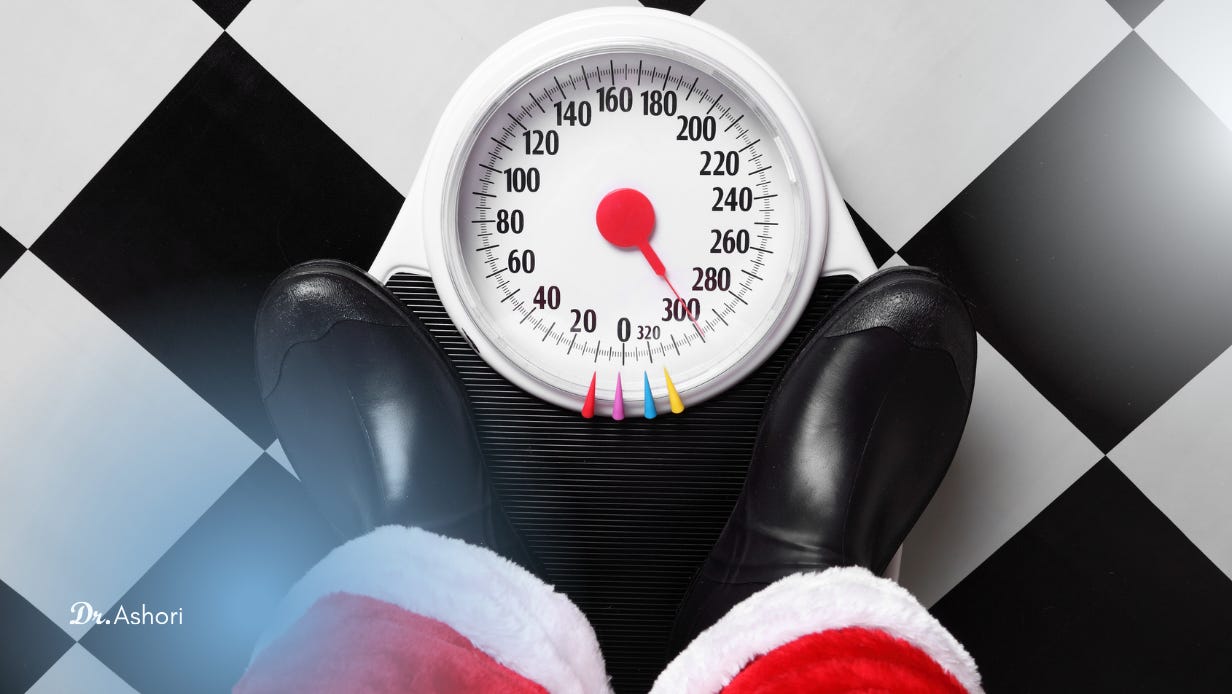
Many of my patients are dreading the holidays for the weight they are going to gain and keep through all of 2026.
Here are the solutions I share with the patients new to my practice. I know these work because my patients tell me they do and it reflects on their scale.
1. Being Content With Your Weight
Until you accept your problem you can never change it.
There is nothing worse than getting to your ideal weight goal and realizing that all the same old demons come creeping back in.
Part of my health coaching is to get to the bottom of any health change goal, whether it’s weight loss, better blood pressure, lipid numbers, or cancer lesions on a PET scan. Once we uncover it all, we can then start clean by accepting how things are.
Acceptance means really loving yourself for who and where you are. Not wanting anything to change. Which is the only place from which real change can happen.
→ Try this: What would it look like if you woke up tomorrow, 100% content with your weight? How would you feel? What would you do or think differently? What would it take for you to feel that way about your current weight?
2. Defining Your Reason for Your Weight Goal
Losing weight to hit a number on a scale doesn’t work for most. At least not long-term. A deeper meaning is necessary or else you’ll end up the lonely millionaire who amassed a fortune to stem the feeling of loneliness.
For change to happen, the why has to be intrinsic, personal, and have a deeper meaning than a number or something abstract like ‘not have a heart attack.’
→ Try this: Journal on why you want to have your ideal weight goal? What would it look like for you to get the same result without having any weight change?
3. The Stress of the Holidays
The holidays are upon us and so is food, temptation, stress, time crunches, hunger, insomnia, alcohol, sugar, and excitement.
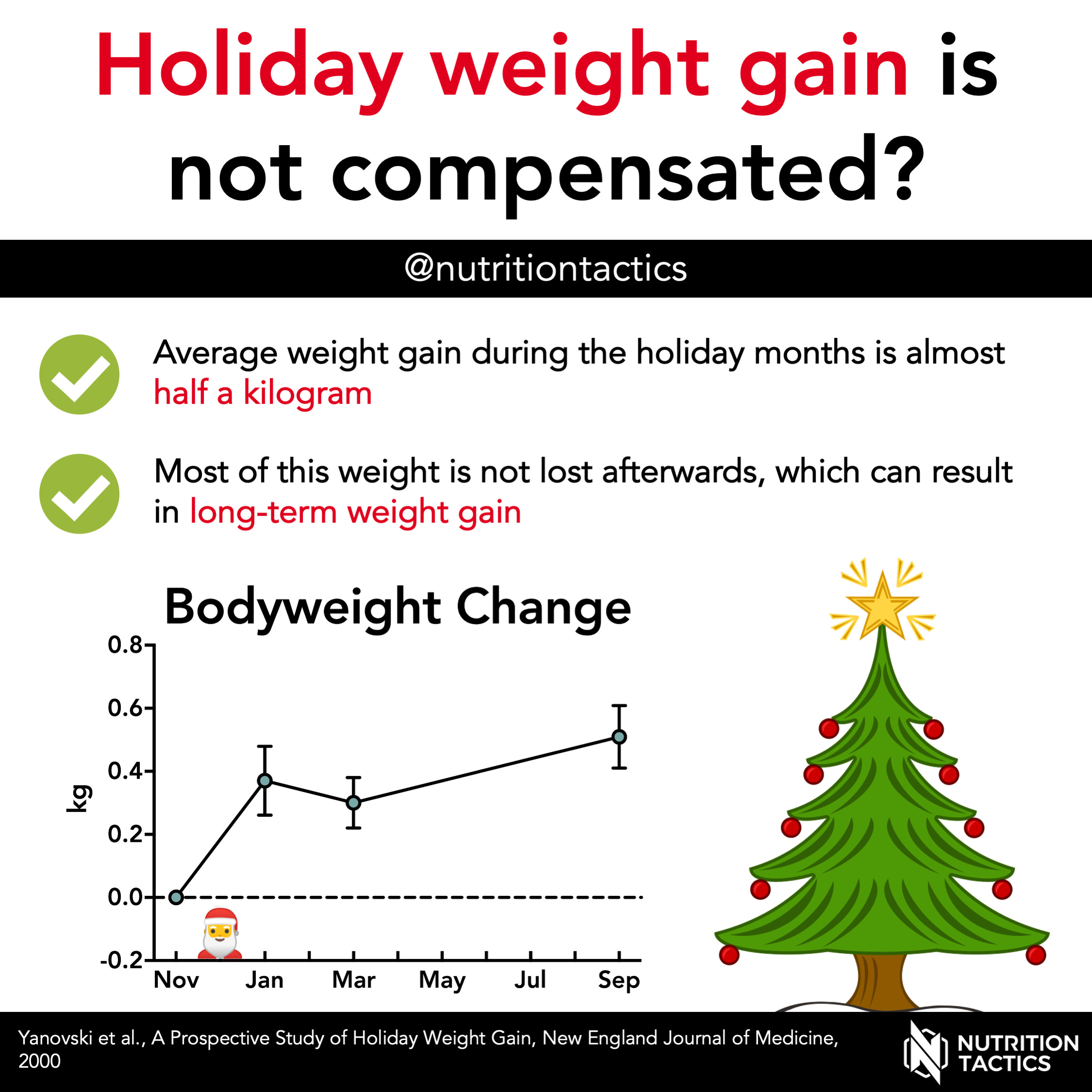
We associate the holidays with family & fun but the stress leading up to it and the stress of recovery may be too much for some of us. High stress means more cortisol, bad sleep, more hunger, and a weaker metabolism, depositing from the lips straight to the hips.
→ Try this: Aim to do less leading up to and during the holidays. Hold yourself to a lower standard. Plan fewer things and let go of any perfectionist mindsets. A little less stress means a little less cortisol, which is always a good thing for the body.
4. The Black Hole of Trying Too Hard
Most of us are actually trying too hard when it comes to our health. We try so hard, in fact, that we often sizzle out. We stress, worry, experiment, and then criticize ourselves for not achieving our goal.
You’re not lazy. In fact, I don’t have a single patient struggling with obesity who is lazy, stupid, or unmotivated. It’s when they let go of these self-critical beliefs that they feel liberated to change.
Getting out of this black without mastering #1 and #2 on this list is tough.
→ Try this: Find your faith in that your anatomy and physiology follows the laws of physics. A small, consistent calorie deficit with a consistent movement routine is all you need to eventually reach your ideal body composition.
5. Timing of Your Meals
Practically speaking, snacking is the achilles heel of weight. Eating late at night, eating when stressed, or eating fast are how I’d help an emaciated patient add pounds.
When we stress, we’ll stress eat. And there isn’t a soul on this planet who can avoid stress eating once their stress reaches its critical threshold.
→ Try these: Plan your meals and snacks. Heaviers meals are best planned early in the day and snacks should happen after meals. The only solution to stress-eating is stress management.
6. The Mindset of Food
We’ve all grown up thinking about food a certain way. Worse, we believe that what we believe is real. As in, the thoughts and feelings we have about food have never really been questioned and they certainly aren’t our own thoughts.
I don’t eat balut or rats, and don’t eat with my hands or crave blood sausage because I am a product of my environment. Your eating habits and food beliefs have been passed down to you. You are who you are based on what you’ve been exposed to. But you can change it. Slowly.
After #1, #2, and #4 on this list, you can tackle your mindset about food.
→ Try: Rediscover what food and eating mean to you. Does every dish have to taste perfect? What does satiety and hunger really feel like in your body, not just what you’ve grown up believing?
7. Diet vs. Exercise
You should focus on diet if you snack a lot, eat a lot, and consume a lot of calorie-dense foods. You’ll get the most bang for your weight buck by creating a new nutrition plan.
But if you are eating fairly well and don’t feel stuffed or groggy after meals, it’s best to focus your energy on exercise. A little more movement is all you need to move the needle.
The caveat is that often more exercise = more calories. If they don’t eat more they’ll eat more calorie-dense foods or eat later in the day.
Or they’ll exercise 30 minutes a day and spend the other 16 hours completely sedentary.
→ Try this: Has your weight been going up the past few months/years? If so, more emphasis on diet may help. If your weight has been steady, a light daily activity routine may be all you need to achieve your health goals.
8. Calories in/out
Whether you believe in calorie balance for weight management or not, you’ll eventually have to contend with it if you cut calories too far or don’t cut them back enough.
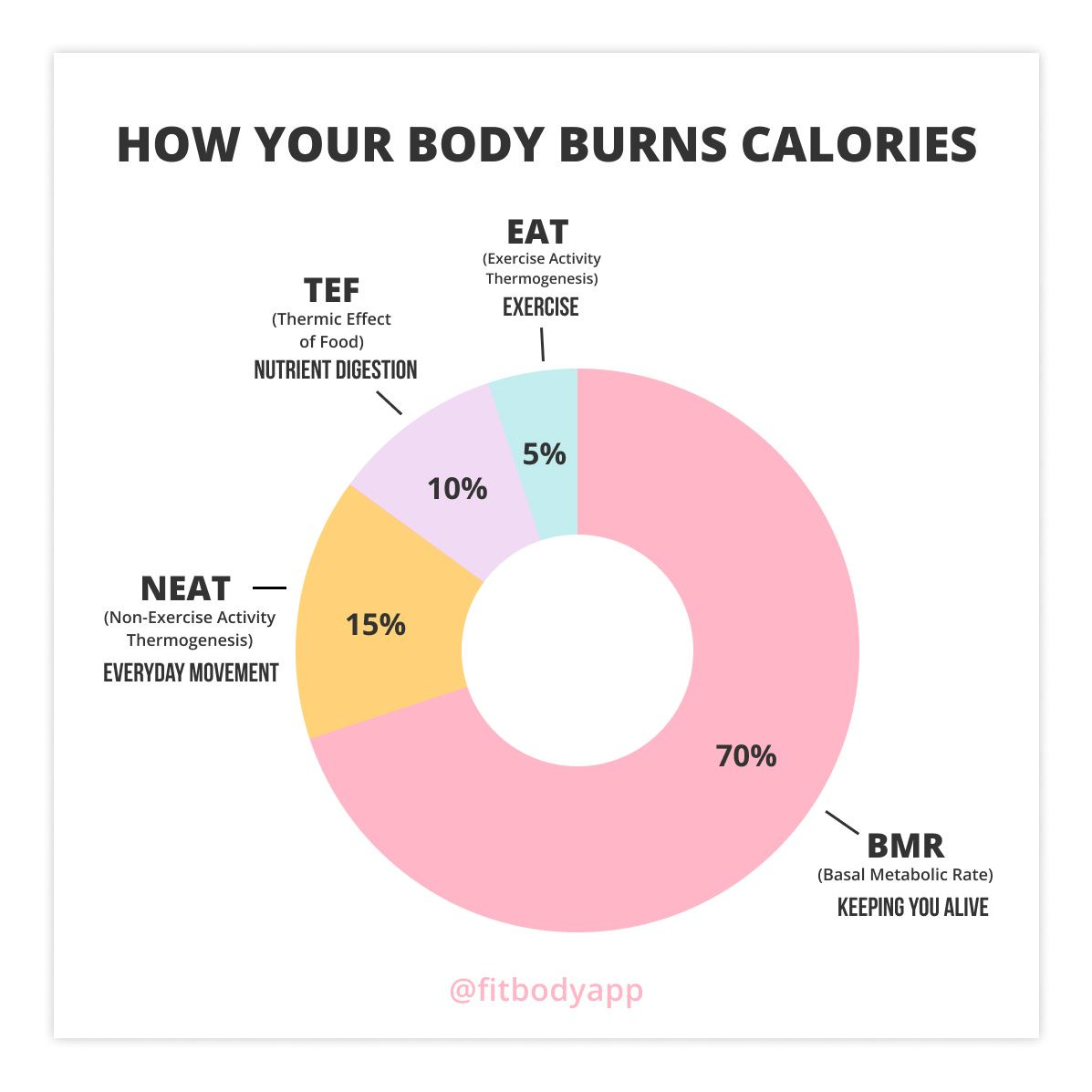
Your physiology requires a certain calorie burn every hour to keep the lights on (heart beat, breathing, core body temperature, cell repair, etc.). If you get too much above that, your body will go into storage mode, unless you’re super active. Too little, and your metabolism slows down and you’ll just feel miserable, with your weight stubbornly holding on.
→ Try this: If you are comfortable using a scale, track your average daily weight and play around with a calorie/exercise journal and see how each affects your average daily weight.
9. The Dogma of Healthy Weight
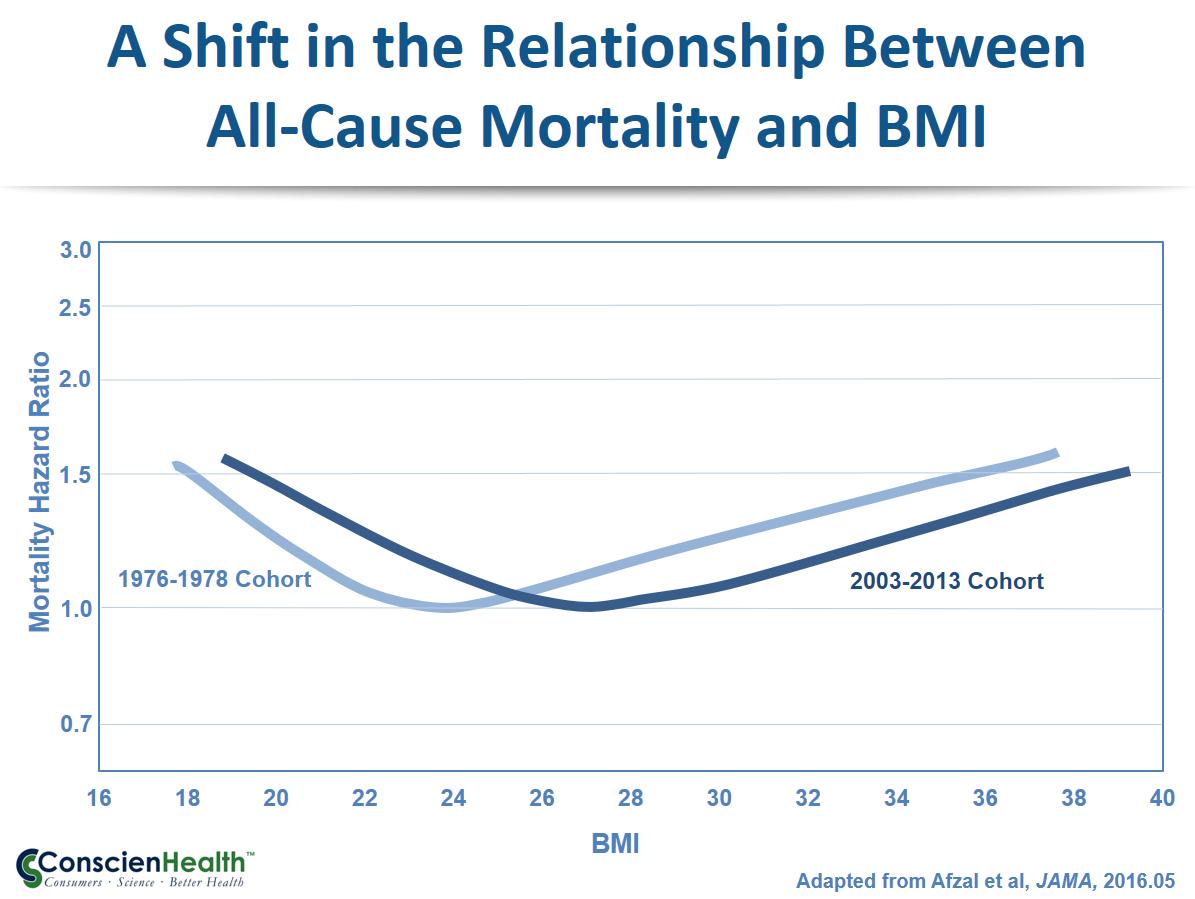
Once you’ve mastered #1, #2, and #6, it’s time to let go of the idea that you can only be healthy with a normal body weight. You can be skinny and unhealthy and you can be obese and healthy.
Each body has a very unique genetic composition, making it operate at a certain baseline weight. Even between siblings, one may operate at a lower and the other at a higher rate.
→ Try this: Imagine your ideal state of health, is it possible for you to feel and be that healthy while being at the same weight you are now? How could that be true? What would you have to do or believe for that to be true?
10. False Beliefs of Medication
Some consider medication cheating when it comes to losing weight. But somehow we don’t consider it cheating when you need insulin for childhood diabetes.
Medications are a tool and can be used by you in any way you see fit, as long as it’s done safely. You can take a medication to achieve a more manageable weight and then get off the medication. Who says you can’t?
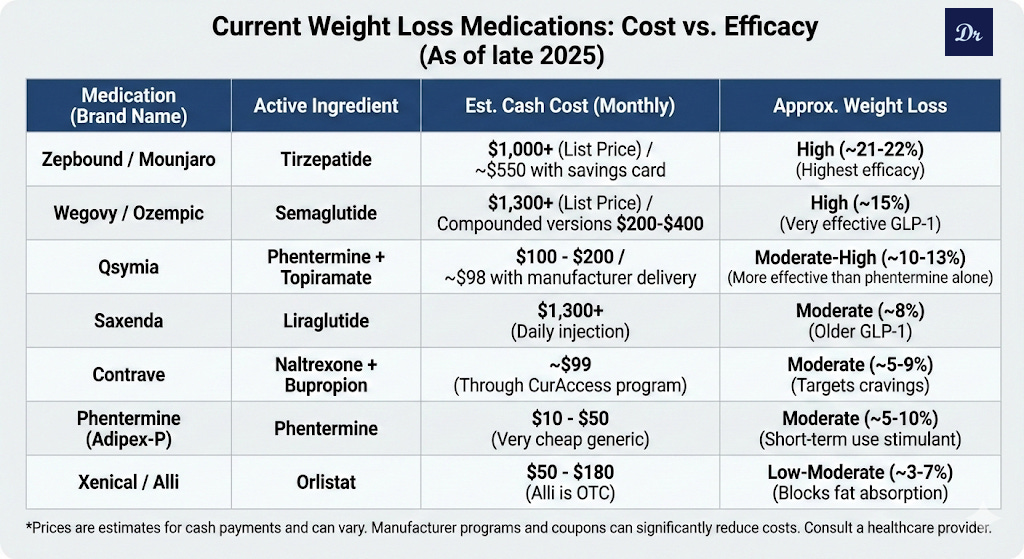
If you have a preconceived notion about drugs, it’s time to question it. Once you can view them as yet another tool, no different than a calorie tracking app or exercise bands for exercise, you can then decide whether they are right for you.
→ Try this: Journal about how you feel when your favorite celebrity who previously had obesity is now fairly fit because of medication. How does it make you feel, and why?
Bonus: The Sabotage of Mental Accounting
Balancing your checkbook or saving for retirement without keeping diligent records is a guaranteed way to go broke. The mind will count the way it's most convenient for it.
Study after study proves that what people report on food questionnaires is almost always an underestimate of what they ate. And what they report on activity is less than what is actually measured in a lab.
→ Try this: For the next 12 months track your calories and your activity level. Adjust them according to your ideal body composition goals.
Mini FAQ:
Q: I don’t like counting calories, what else can I do?
Meal prep can be a good alternative, but you’ll still need to know what portions to package and serve.
Q: I’ve tried everything on this list and I can’t lose a pound.
I refer all my patients to a board-certified Obesity Doctor for any resistance weight loss issues.
Q: What if I already know I’m going to overeat during the holidays?
Come up with a recovery plan instead of trying to avoid every slip.
Q: Can I lose weight during the holidays or is that unrealistic?
It’s often better to maintain or even give yourself loving wiggle room than aim for perfection.
Q: My family always pressures me to eat.
The healthiest way to handle food lovers and food pushers is to acknowledge that it’s probably from a place of love. Next, a good script is “I’d love to, but it feels unpleasant to eat more and I want to savor the wonderful taste.”
Q: What’s the #1 most effective strategy to stay in control?
Usually it’s meal timing: you eat between 1-3 pm and after that the kitchen is off limits.
Navigating your health? I’m here to support you with my one-on-one health coaching. See we’re the right fit to work together:
The information here is for general education. It is not medical advice. Reading or listening does not create a patient–doctor relationship with me. I care about each subscriber and want you to get care that fits your life and medical needs. Always speak with your own licensed clinician before starting, stopping, or changing any health plan, medication, or routine.
Fantastic read Dr. Ashori. Great insight on how to reflect on our individual weight, numbers, ourselves and the tactics to address our goals. Really fantastic coaching strategies.
Thank you Jake! What are the tactics you use for your patients that've been the most effective?