


38% of adults have prediabetes. And 25% of those with diabetes don’t know they have it.
The good news is that it’s a completely preventable condition. Think of it like a car accident - if you don’t speed and drive attentively, you’ll avoid a crash.
The Early Symptoms
For most adults it starts with your energy dipping down in the afternoon. You feel like crashing after some meals - especially lunch. And you start craving something sweet to get through the day.
But this isn’t just about your energy or appetite. There’s a hormone problem brewing that also affects your hair, skin, sleep, blood vessels, and tendons. All of this is happening with perfectly normal standard lab results.
The goal is not to wait until your labs signal a metabolic problem. We want to catch it years ahead and prevent diabetes in the first place.
Insulin & Your Muscles + Liver
Your muscles are the largest place your body can store glucose (70-80%). If you’re not using your muscles, you can’t store the glucose, which means it’ll float around in your vessels.
Over time, your body has to produce more insulin to push the glucose into the muscles and the liver - that’s the second best place to safely store glucose (10-20%).
But the more insulin your body releases, the more insulin resistant you become. And that won’t show up on a fasting glucose or an A1C test. We’re still a decade out from that.
Are You At Risk?
We are all at risk. That’s because our bodies are meant to prioritize glucose absorption for survival.
As I’m sitting here, intensely focused on writing this article, my body is freeing up glycogen to feed my typing fingers and my revving brain. That means that my glycogen stores are running low.
Our sedentary lives, stress, interrupted sleep, refined foods, and even prescription medications are all contributing to higher blood sugars. This is the risk we all face.
The 10 Habits That Protect Against Type 2 Diabetes
My mom is nearly 80 and went to her doctor and told that her A1C is nearing diabetes. She doesn’t carry a gram of extra weight on her. She eats well and exercises.
But with time, our pancreas, liver, and muscles slow down their function. The good news is that even if she develops diabetes, she’ll have pushed it far into her future. It won’t be happening anytime soon.
Here are the habits my mom and my patients have learned to avoid or delay diabetes for as long as possible.
1. Walk After Your Heaviest Meals
My wife and I had some Cubano sandwiches. This is the perfect definition of a carb/fat bomb going off in our bodies.

The good news is that your body can handle this, as long as everything else is going well. And right after this delicious food, we went for a walk.
As the refined carbs in the bread get absorbed into the bloodstream, the flexing muscles during our walk are transporting the glucose into the muscle and storing it as glycogen.
2. Build Your Muscles 2x/Week
My mom started doing resistance training in her late 60s. It has helped her avoid falls, improve her resting tremor, and get her thyroid levels back to normal.
You don’t need much - 2x/week of a structured resistance program is more than enough. Do it without weights (body exercises) or do resistance bands.
Focus on big muscles and compound movements like squats, pushups, and pullups.
3. Switch from Refined Carbs to Complex Carbs
Me and my wife don’t have a lot of risk factors for diabetes but we still avoid refined carbs. High-carb foods like that cubano sandwich is something we’ll have very rarely.
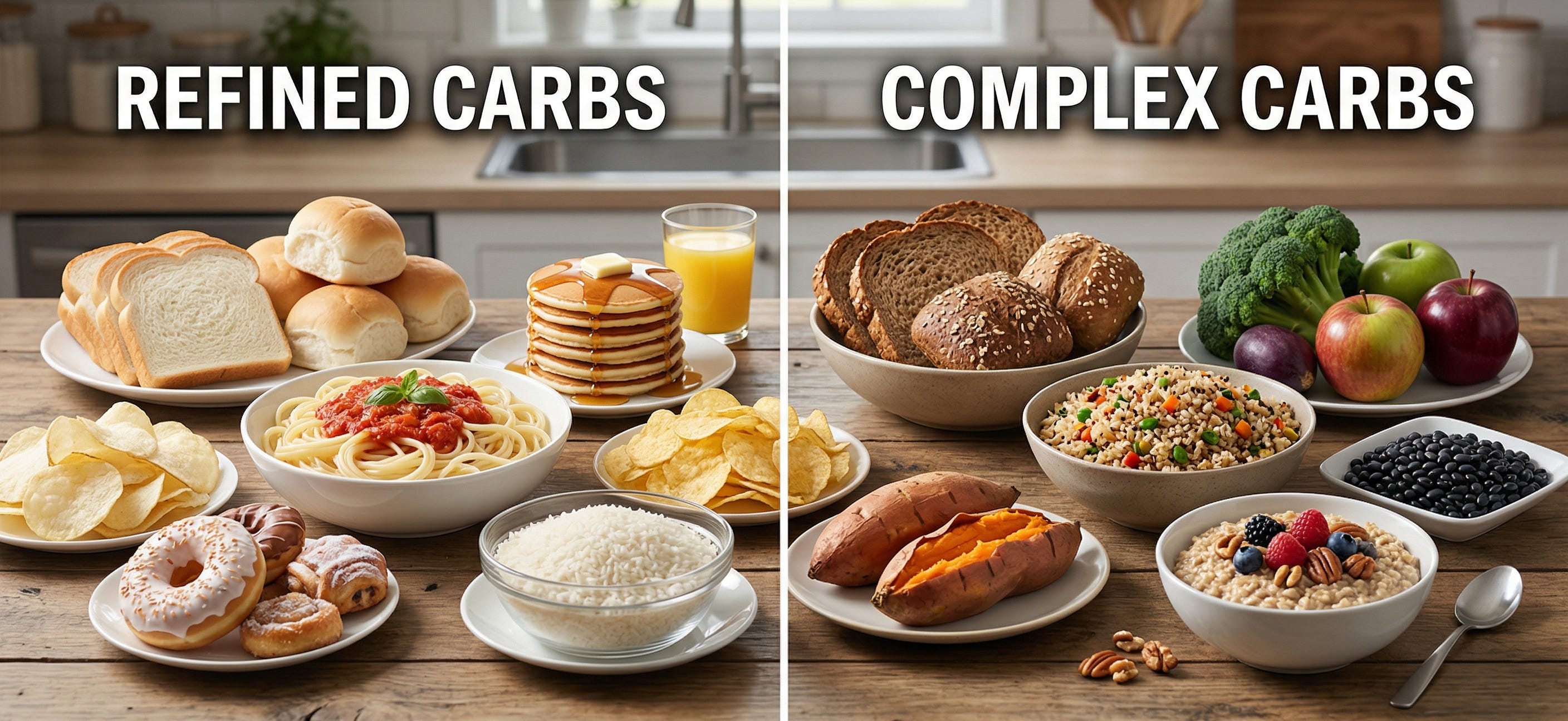
If your health is solid, a little refined carbs timed properly shouldn’t be an issue. For everyone else it’s a food that your body will really struggle with.
4. Protect Your Sleep
There’s no such thing as perfect sleep but there’s always something you can do to protect it. If I eat after 6pm then I’ll be tossing and turning until the wee hours.
If you’re someone who wakes up in the middle of the night and can’t go back to sleep, check out this article:

5. Feed Your Gut Bacteria
Your gut bacteria make the short chain fatty acids that lower inflammation and improve your metabolism. They also make vitamin K2, certain B vitamins, and about 90% of the serotonin you need for your mind-body connection to function properly.

Your gut bacteria subsist on fiber. With a healthier gut flora you’ll slow down sugar absorption, lowering your chance of diabetes.
6. No Liquid Calories
In my health coaching practice, liquid calories are a non-negotiable. I’ve tried to be lenient with it in the past, only to see the blood sugars and cholesterol shoot up suddenly.
Liquid calories are mostly juices and soda. But they include alcohol and some shakes. Soups aren’t in this category.
7. Lower Cortisol
Stress is unavoidable and one could say that stress can lead to growth. But how your body responds to stress is something you can improve over time.
High cortisol releases more insulin and also increases inflammation. While meditation, breathing exercises, and relaxing activities can help lower it.
8. Maintain a Healthy Waist Size
Visceral fat is the enemy of insulin resistance, prediabetes, and diabetes. To lose it you must engage in aerobic activities and consume fewer calories than you burn.
The good news is that your body is a master/mistress at burning off visceral fat. You just need to give it a chance to do so.
9. Limit Late-Night Eating
As I shared above, eating late at night terribly disrupts my sleep. Without enough deep sleep, I can’t recover, which means more inflammation. And more inflammation means worse metabolic health.
Our heart rate stays higher longer with late-night meals, our temperature regulation worsens, and it’s generally harder for digestion to take place.
If you eat late, just set it back by 1 hour. That will already make a big difference.
10. Stay Consistent, Not Perfect
When I sign on a new health coaching client, we focus on small habits they can do consistently. We never aim for perfection because that’s a recipe for failure.
Small, daily, consistent habits have the benefit of compounding over time.
The TREND Method for Better Health
My TREND method focused on testing (T) to determine what we need to focus on. Using the following metrics I determine if someone is at risk for diabetes or having early signs of insulin resistance:
HOMA-IR
Tg/HDL ratio
Oral Glucose Tolerance Test
Then we pick one small habit from the other categories to change and keep consistent:
R - relationships
E - exercise
N - nutrition
D - downtime
If you’re dealing with any fatigue or health issues related to your metabolic health, what are some challenges you’ve faced?
If this resonated with you, I work with a small number of clients to figure out what’s actually going on behind their symptoms to build a plan that works for them.
If you want help with this:
Disclaimer:
Dr. Mohammad Ashori is a U.S.-trained family medicine physician. The content shared here is for education and general guidance. It is not personal medical advice, diagnosis, or treatment, and it does not create a doctor-patient relationship. Humans are complicated and your personal details matter. Your healthcare team is your best resource before making medical decisions, changing medications, or managing symptoms. This information is to help you add more depth to those conversations.
Follow me on:
📸 Instagram
▶️ YouTube
📘 Facebook
👽Reddit